 0
0
 0
0
A landmark study published this week has identified a powerful predictor for how well we age, suggesting that the secret to a high-quality “second act” in life isn’t found in a pill bottle, but on a treadmill.
Researchers found that individuals with high cardiorespiratory fitness (CRF) in midlife significantly postpone the onset of major chronic illnesses—including heart disease, type 2 diabetes, and cancer—effectively adding years of disease-free living after age 65. The study, led by Dr. Clare Meernik at the Texas Tech University Health Sciences Center, shifts the medical focus from lifespan (how long we live) to healthspan (how long we live in good health).
By analyzing decades of data from over 24,500 participants, the research team demonstrated that being “fit” in middle age acts as a biological shield, delaying the “heavy lifting” of aging by an average of 1.5 to 2 years.
Tracking the Path to Healthy Aging
The study utilized the Cooper Center Longitudinal Study, a massive, decades-long project based in Dallas. Unlike many studies that rely on participants’ often-unreliable memories of their exercise habits, this research used objective data: maximal treadmill tests.
These tests measure cardiorespiratory fitness—the efficiency with which your heart and lungs supply oxygen to your muscles during physical exertion. The researchers then linked these midlife fitness scores to Medicare claims data for 24,576 adults who reached age 65 without any major chronic conditions.
Key Findings at a Glance
The researchers tracked 11 specific chronic conditions, including heart failure, Alzheimer’s disease (dementia), chronic kidney disease, and various cancers. The results were striking:
-
Delayed Disease Onset: Participants in the highest fitness category experienced a later onset for every single condition tracked compared to those in the lowest fitness category.
-
The 1.5-Year Gain: On average, high-fitness individuals remained disease-free for at least 1.5 years longer than their less-fit peers.
-
Reduced “Multimorbidity”: Fit men saw a 9% reduction in the total number of major diseases developed after age 65.
-
Overall Longevity: High-fit men gained an average of 2.3 more years of life overall, while women showed a gain of 1.3 healthy years (notably, the sample size for women was smaller, leading to wider statistical margins).
Expert Perspectives: The Body as an Engine
Medical experts suggest that these findings reinforce the idea of morbidity compression—the medical theory that we can “squeeze” the period of illness at the end of life into a much smaller window.
“The study shows that cardiorespiratory fitness in midlife is a powerful predictor of how well we age,” says lead author Dr. Clare Meernik. She notes that delaying the onset of these diseases doesn’t just benefit the individual; it significantly eases the emotional and financial burdens on families and the broader healthcare system.
Dr. Benjamin Levine, a cardiologist at UT Southwestern Medical Center who was not involved in this specific study, has previously compared fitness to a mechanical upgrade. In his view, moving from a low fitness level to even a moderate one is akin to “upgrading your body’s engine” to better handle the inevitable wear and tear of aging. His prior research suggests that even modest gains in fitness can cut the risk of chronic conditions by 20%.
Dr. Steven Nissen, Editor-in-Chief of the Journal of the American College of Cardiology (JACC), highlighted that fitness is a modifiable factor. Unlike genetics or age, fitness is something individuals can actively improve, providing a level of control over their future health that transcends traditional risk factors like cholesterol or blood pressure.
Why Fitness Acts as “Preventive Medicine”
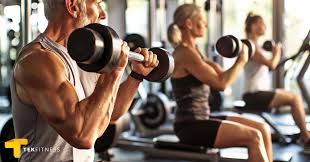
The biological reasons behind these findings are rooted in how aerobic exercise affects the body at a cellular level. Consistent activity that raises the heart rate—such as cycling, swimming, or brisk walking—does more than just burn calories. It:
-
Strengthens Mitochondria: These are the “powerhouses” of your cells. Efficient mitochondria produce energy more cleanly, reducing oxidative stress.
-
Reduces Systemic Inflammation: Chronic inflammation is a “silent killer” linked to everything from heart disease to Alzheimer’s.
-
Improves Vascular Health: Aerobic fitness keeps blood vessels elastic, ensuring that the brain and organs receive a steady supply of oxygenated blood.
Historical evidence supports this “fitness as a vital sign” approach. A 2012 study published in JAMA Internal Medicine involving over 18,000 adults found similar links, suggesting that midlife fitness is more predictive of a healthy old age than many other clinical markers.
Limitations and Considerations
While the findings are a strong endorsement for exercise, the study has limitations that require a balanced perspective.
-
Correlation vs. Causation: Because this was an observational study, researchers cannot definitively prove that fitness caused the delay in disease. Fitter individuals may also have had better diets, lower stress levels, or genetic advantages that contributed to their health.
-
Demographics: The cohort was 97.6% White and 75% male. While the biological benefits of fitness are likely universal, more research is needed to confirm these specific “years gained” across more diverse racial and socioeconomic groups.
-
The “Healthy Volunteer” Bias: Those who volunteer for maximal treadmill tests may already be more health-conscious than the average person, potentially skewing the results toward a more positive outcome.
Practical Steps: How to Invest in Your Future
You don’t need to be a marathon runner to see these benefits. Public health authorities, including the CDC and the World Health Organization, recommend a baseline that is achievable for most adults:
-
The 150-Minute Goal: Aim for 150 minutes of moderate-intensity aerobic activity per week. A “moderate” pace is one where you can talk but not sing.
-
Intensity Matters: Incorporate activities that actually raise your heart rate—think brisk walking, doubles tennis, or hilly hikes.
-
Strength Training: Complement cardio with at least two days of muscle-strengthening activities.
-
Start Where You Are: For those in the lowest fitness categories, the greatest health gains often come from simply moving from “sedentary” to “moderately active.”
As the research suggests, every “deposit” into your fitness bank during midlife yields compound interest in your 70s and 80s. By prioritizing cardiorespiratory health now, you aren’t just adding years to your life—you are adding life to your years.
Medical Disclaimer: This article is for informational purposes only and should not be considered medical advice. Always consult with qualified healthcare professionals before making any health-related decisions or changes to your treatment plan. The information presented here is based on current research and expert opinions, which may evolve as new evidence emerges.
References
- https://www.earth.com/news/fitness-in-midlife-linked-to-longer-healthier-lives-with-fewer-diseases/