 0
0
 0
0
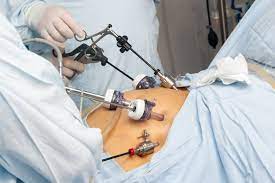
It is one of the most common surgical procedures in the world. Every year, over 700,000 Americans undergo a cholecystectomy—the surgical removal of the gallbladder. Long categorized by the medical community as a “vestigial” or “dispensable” organ, the gallbladder is often treated like an appendix: a small, pear-shaped hitchhiker that is better off gone once it starts causing trouble.
However, a growing body of clinical evidence and patient outcomes is prompting a nuanced reevaluation of this “replaceable” organ. While humans can certainly survive without it, the gallbladder plays a sophisticated role in metabolic health and nutrient absorption. As surgical rates remain high, experts are now urging a more cautious approach, highlighting that the transition from a specialized storage system to a “continuous drip” digestive process can have lasting impacts on long-term quality of life.
The Precision of Bile Regulation
To understand why the gallbladder matters, one must look at the mechanics of digestion. The liver produces bile—a greenish-brown fluid essential for breaking down fats—at a constant rate. The gallbladder acts as a high-tech reservoir, concentrating this bile by removing water and electrolytes, making it up to ten times more potent than when it left the liver.
When you consume a meal, particularly one rich in fats, the small intestine releases a hormone called cholecystokinin (CCK). This hormone signals the gallbladder to contract, delivering a concentrated “bolus” of bile exactly when it is needed.
“The gallbladder isn’t just a passive sac; it’s a timing mechanism,” says Dr. Elena Rossi, a gastroenterologist not involved in the recent Medscape discourse. “It ensures that the concentration of bile matches the fat content of your meal. This precision is vital for the absorption of fat-soluble vitamins like A, D, E, and K, which are foundational for bone health, immunity, and vision.”
Without this reservoir, bile drips continuously into the duodenum (the upper part of the small intestine). This “unmetered” flow means that during a heavy meal, there may not be enough concentrated bile to handle the fat load, leading to malabsorption and digestive distress.
The Rising Burden of Gallstone Disease
Gallbladder issues, specifically cholelithiasis (gallstones) and cholecystitis (inflammation), are among the most frequent reasons for emergency room visits. According to data from GoodRx and the National Institutes of Health, gallbladder disease ranks as the sixth most common gastrointestinal diagnosis in the United States.
Gallstones form when bile contains too much cholesterol or bilirubin, which then crystallizes. While many people live their entire lives with “silent” stones, problems arise when a stone blocks the cystic duct, causing biliary colic—a sharp, episodic pain in the upper right abdomen.
For patients facing acute infection or debilitating pain, surgery remains the gold standard. “When a patient presents with recurrent biliary colic or acute cholecystitis, the risk of a life-threatening complication like a ruptured gallbladder or sepsis far outweighs the benefits of keeping the organ,” notes the NHS clinical guidelines.
Life After Cholecystectomy: The Post-Surgical Shift
For the majority of patients, the body eventually adapts to life without a gallbladder. The common bile duct often dilates slightly to take over some of the storage capacity. However, a significant subset of the population—estimated between 10% and 40% in various studies—experiences Post-Cholecystectomy Syndrome (PCS).
Symptoms of PCS can include:
-
Chronic Diarrhea: Caused by the constant irritation of the intestinal lining from “free-flowing” bile acids.
-
Bloating and Gas: Resulting from the incomplete emulsification of fats.
-
Fat-Soluble Vitamin Deficiency: Over time, the inability to efficiently process lipids can lead to lower levels of Vitamin D and E.
“We need to move away from the narrative that removal is a ‘consequence-free’ fix,” says Dr. Rossi. “While most patients do well, we are seeing more cases where bile acid sequestrants—medications that bind to bile—are needed to manage chronic post-surgical diarrhea.”
Rethinking the “Prophylactic” Approach
Current medical consensus, supported by Medscape and Harvard Health, strongly advises against the removal of the gallbladder for asymptomatic stones. The risk of surgical complications, though small, is unnecessary if the organ is functioning without pain.
Instead, healthcare providers are increasingly focusing on conservative management for mild cases:
-
Dietary Modification: Reducing intake of saturated fats and refined sugars to lower the cholesterol saturation of bile.
-
Weight Management: Rapid weight loss is a known trigger for gallstone formation, so a gradual approach is recommended.
-
Active Monitoring: Using regular ultrasounds to ensure stones are not migrating or causing silent inflammation.
The Public Health Perspective
As the medical community gains a deeper understanding of the “gut-liver-bile” axis, the gallbladder’s reputation is shifting from a disposable accessory to a key player in metabolic homeostasis.
For the health-conscious consumer, the takeaway is clear: the gallbladder is a vital component of a high-functioning digestive system. While surgery is a necessary and life-saving tool for many, it represents a permanent physiological change. Patients are encouraged to have thorough discussions with their surgeons about the long-term metabolic implications of removal, especially if their symptoms are mild or infrequent.
“The goal,” says Dr. Rossi, “is to ensure that we are treating the patient’s whole digestive health, not just removing an organ because we can.”
Medical Disclaimer: This article is for informational purposes only and should not be considered medical advice. Always consult with qualified healthcare professionals before making any health-related decisions or changes to your treatment plan. The information presented here is based on current research and expert opinions, which may evolve as new evidence emerges.
References
- https://www.medscape.com/viewarticle/gallbladder-who-needs-it-anyway-2026a1000cl6