 0
0
 0
0
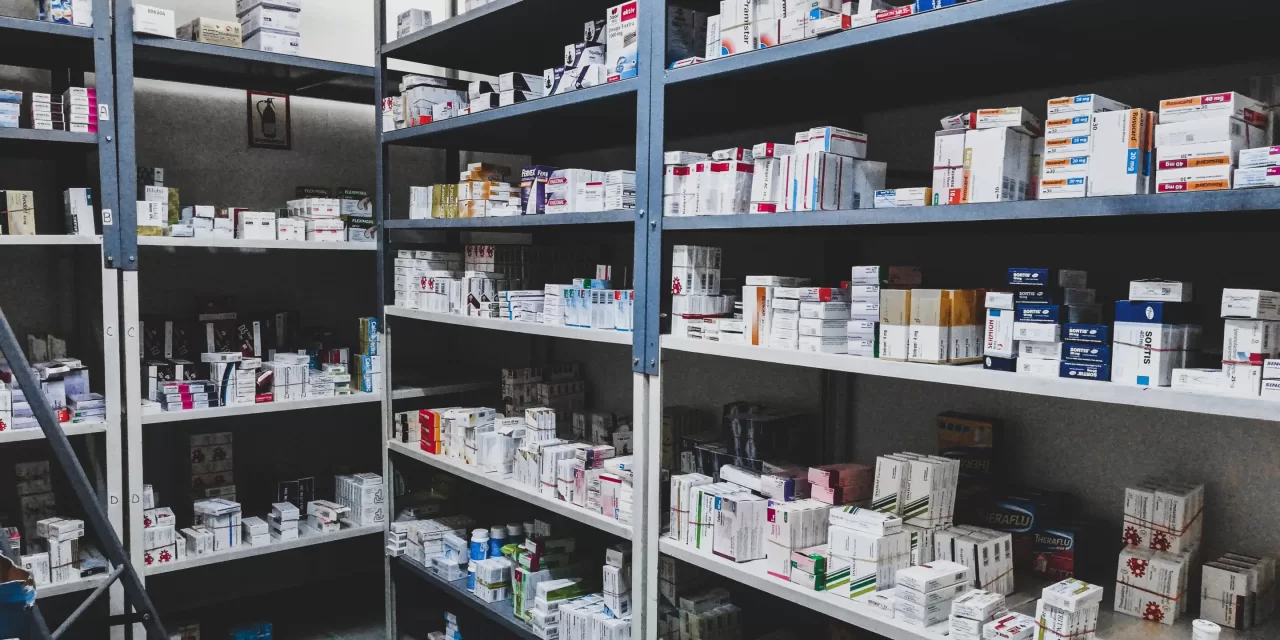
KOLKATA — In a direct response to a series of fatal medical errors and systemic oversights, the West Bengal Health Department has issued a comprehensive Standard Operating Procedure (SOP) mandating weekly reviews of pharmaceutical inventories across all state-run hospitals and medical colleges.
Approved on July 28, 2026, by State Health and Family Welfare Minister Dr. Sharadwat Mukhopadhyay, the directive introduces a zero-tolerance policy: any medication found past its expiration date—even by a single day—must be immediately destroyed. The regulatory overhaul aims to dismantle poor inventory tracking and prevent degraded, potentially lethal drugs from reaching vulnerable patients.
The New SOP: Strict Mandates and Disciplinary Consequences
Under the new directive, every government medical facility across West Bengal must conduct a systematic, hands-on audit of its pharmaceutical stock every seven days. Pharmacy staff are required to manually and digitally verify the manufacturing and expiration dates of all supplies.
To eliminate the unauthorized recycling or illicit resale of discarded drugs, the protocol strictly dictates that expired items be destroyed on-site immediately upon discovery.
key provisions of the policy include:
-
Zero-Tolerance Disposal: Immediate destruction of any drug expired by $\ge 24$ hours.
-
Administrative Accountability: Institutional leadership and pharmacy heads faced with repeat infractions will receive formal show-cause notices, opening the door to administrative and disciplinary action.
-
Closing Legal Loopholes: Strict prohibition of transferring government hospital stock to external, voluntary health camps—a pathway previously exploited to offload near-expiry or expired inventory without oversight.
Tracing the Catalyst: Patient Fatalities and Systemic Failures
This aggressive policy shift comes after prolonged public outcry and high-profile legal battles over grave patient safety breaches in state facilities.
Timeline of Key Incidents Leading to the SOP
│
├── January 8, 2025 ── Expired Ringer's Lactate administered to new mothers at Midnapore Medical College.
├── January 10, 2025 ─ Patient Mamoni Rui Das dies; infant of another patient dies shortly after.
├── May 2025 ───────── Patient Nasrin Khatun succumbs after 4 months of battling complications.
└── July 2026 ──────── Stroke patient Mansi De allegedly administered saline expired since March 2026.
The most severe breach occurred in January 2025 at Midnapore Medical College and Hospital (MMCH), where four new mothers were administered expired intravenous Ringer’s Lactate solution.
-
Mamoni Rui Das (21): Died on January 10, 2025, after her condition deteriorated rapidly following the infusion.
-
Rekha Shaw: Her newborn child suffered critical health complications, was placed on mechanical ventilation, and ultimately passed away.
-
Additional Victims: Three other women—Mampi Singh, Nasreen Khatun, and Minara Bibi—developed severe complications and were rushed to SSKM Hospital in Kolkata. Nasrin Khatun succumbed to ongoing medical complications four months later in May 2025.
Subsequent investigations pointed to widespread negligence. A 13-member expert committee concluded that hospital personnel demonstrated “serious negligence,” leading the Criminal Investigation Department (CID) to file a First Information Report (FIR) against 12 doctors for culpable homicide and endangering human life. The state subsequently blacklisted the supplier, Paschim Banga Pharmaceuticals Limited.
Public outrage reignited in July 2026 when the family of Mansi De, a stroke patient admitted to a state medical college, alleged she was administered intravenous saline that had expired in March 2026—demonstrating that earlier warnings had failed to correct institutional habits.
The Medical Risks of Expired Intravenous Solutions
While degraded oral tablets may simply lose potency, expired parenteral drugs—such as intravenous (IV) saline and Ringer’s Lactate—present immediate, life-threatening dangers.
Because IV fluids are infused directly into the vascular system, they bypass primary protective barriers like gastric acid and hepatic first-pass metabolism.
Over time, chemical degradation can alter the $\text{pH}$ balance of parenteral solutions, cause active compounds to break down into toxic metabolites, or compromise container integrity, causing microbial contamination.
| Degradation Mechanism | Immediate Clinical Risk | Severity |
| Microbial Contamination | Systemic Inflammatory Response Syndrome (SIRS), Bacterial Sepsis | High / Fatal |
| Precipitate Formation | Microemboli, Pulmonary Embolism, Vascular Occlusion | Severe |
| Chemical Decomposition | Metabolic Acidosis, Sudden Electrolyte Imbalance | Moderate to High |
“Intravenous products must maintain strict sterility and chemical equilibrium,” explains public health research literature. “When an expired or compromised fluid enters the bloodstream, the risk of septic shock, multiorgan dysfunction syndrome (MODS), and acute kidney injury escalates dramatically.”
Bridging the Gap: Modernizing Inventory Standards
The weekly mandate represents a drastic departure from conventional quarterly or annual stock checks. To meet these demands, experts urge facilities to adopt established pharmaceutical supply chain framework methodologies, such as those highlighted in the Directorate General of Health Services (DGHS) updated Hospital Manual:
     [ Batch & Lot Tracking ] ──► [ Barcode Verification ]
                                         │
                                         ▼
[ Automated Min-Max Thresholds ] ◄── [ FEFO Protocol ]
-
FEFO (First Expiry, First Out): Automated stock systems prioritizing the distribution of batches closest to their expiration date.
-
Barcode Verification: Replacing manual ledger entries with automated scanning to remove human error during intake and dispensing.
-
Real-Time Batch Tracking: Establishing complete traceability from central state warehouses down to individual ward bedsides.
-
Min-Max Inventory Controls: Automated reorder triggers that maintain optimal stock levels, preventing both supply panics and stock stagnation.
Historically, public sector facilities in the region have faced supply bottlenecks. A landmark study by Consumer Unity and Trust Society (CUTS) co-authored by Dr. Santanu Tripathy revealed that essential medicine availability in West Bengal public health outlets sat at just $40.6\%$. Poor inventory tracking frequently resulted in simultaneous stockouts of active drugs and shelf stagnation of aging supplies.
Public Health Implications and Operational Challenges
For West Bengal’s public health network, the enforcement of this SOP is a critical protective measure for underserved populations who rely exclusively on free state care.
                               ┌── Health System Impact ──┐
                               │                          │
                               ▼                          ▼
                   ┌───────────────────────┐  ┌───────────────────────┐
                   │  Patient Protections  │  │ Operational Hurdles  │
                   └───────────┬───────────┘  └───────────┬───────────┘
                               │                          │
          ┌────────────────────┴┐                    ┌────┴────────────────────┐
          ▼                     ▼                    ▼                         ▼
┌──────────────────┐  ┌──────────────────┐  ┌──────────────────┐  ┌──────────────────┐
│ Protection for   │  │ Elimination of   │  │ Administrative   │  │ Digital & Staff  │
│ Vulnerable Groups│  │ Unsafe Offloads  │  │ Overhead Burden  │  │ Deficits         │
└──────────────────┘  └──────────────────┘  └──────────────────┘  └──────────────────┘
Key Protections
-
Vulnerable Demographics: Provides safety safeguards for high-risk patients, including neonates, obstetric cases, and critical care patients.
-
Elimination of Secondary Risk: Halts the practice of offloading aging or expired government hospital stocks onto unregulated rural health camps.
Operational Hurdles
-
Resource Constraints: Frequent manual audits place heavy administrative demands on understaffed pharmacy departments.
-
Infrastructure Deficits: Without modern digital inventory software and hardware in rural district hospitals, paper-based compliance risks becoming a superficial exercise.
-
Storage Environment Gaps: Expiration dates assume optimal storage conditions. Without consistent climate control, refrigeration, and light protection, drugs can degrade long before their printed expiration dates.
While weekly reviews mark a necessary and aggressive policy evolution, public health advocates emphasize that auditing is only one component of patient safety. Systemic reform requires sustained infrastructure investments, continuous staff training, transparent procurement pipelines, and an uncompromising culture of clinical accountability.
References
-
The Hans India. “Bengal govt’s new SOP on weekly review of medicine stocks in state-run hospitals.” Published July 28, 2026. https://www.thehansindia.com/news/national/bengal-govts-new-sop-on-weekly-review-of-medicine-stocks-in-state-run-hospitals-11022
Medical Disclaimer: This article is for informational purposes only and should not be considered medical advice. Always consult with qualified healthcare professionals before making any health-related decisions or changes to your treatment plan. The information presented here is based on current research and expert opinions, which may evolve as new evidence emerges.