 0
0
 0
0
NEW DELHI — In a major crackdown on pharmaceutical crime, a multi-agency enforcement team has dismantled an illegal drug manufacturing and packaging unit operating out of a residential apartment in outer Delhi’s Narela district. The two-day joint operation, which concluded on July 28, 2026, exposed a sophisticated network producing unlabelled immunosuppressant tablets and high-potency anabolic steroids disguised with fake international branding.
The raid—conducted jointly by the Delhi Drugs Control Department, the Delhi Police, and the Haryana Food and Drug Administration (FDA)—led to the seizure of thousands of unlabelled pills, raw hormone powders, and finished injection vials marked “Made in Germany.” Equipment ranging from industrial stirrers to hand-operated seal crimping devices was also confiscated from the residential site and adjacent utility shafts.
Addressing the seizure, Delhi Health Minister Pankaj Kumar Singh characterized the illicit operation as a severe threat to public safety. “The government has adopted a zero-tolerance policy against those involved in the manufacture or distribution of fake medicines,” Singh stated, emphasizing that stringent legal action will follow.
Anatomy of the Operation: From Flat to Shafts
The enforcement action began when investigators stormed a rented residential flat in Narela. Inside, officials discovered a fully functioning, unlicensed pharmaceutical packaging and manufacturing unit. The occupant admitted the premises were utilized for processing allopathic formulations, claiming an associate operating out of Sonipat, Haryana, managed the broader enterprise. Neither drug licenses, purchase invoices, nor official stock registers were produced.
+-----------------------------------------------------------------------+
|                         KEY SEIZURES AT NARELA                        |
+-----------------------------------------------------------------------+
|  EQUIPMENT         • Sealing machines & hand crimpers                 |
|                    • Heat guns, electric stirrers, filter paper       |
|                    • Precision scales & amber glass vials             |
+-----------------------------------------------------------------------+
|  MEDICATIONS       • Thousands of unlabelled Tofacitinib tablets      |
|                    • Vials of Boldenone, Masteron, & Testosterone     |
|                    • Bulk powders: Oxandrolone, Trenbolone, etc.      |
+-----------------------------------------------------------------------+
|  PACKAGING         • Over 1,500 "Made in Germany" steroid vials       |
|                    • 5,000+ loose pills, 2,500 packaging boxes        |
+-----------------------------------------------------------------------+
On the second day of the operation, acting on fresh intelligence, officers expanded their search to the apartment complex’s common utility areas. Concealed within electrical utility shafts across multiple floors, authorities uncovered additional concealed consignments.
The physical evidence indicates a high level of operational deceit. Thousands of empty glass vials, flip-off caps, chemical solutions, and bulk steroid hormone powders—including Progesterone, Oxandrolone, Mesterolone, and Trenbolone Enanthate—were seized. Crucially, investigators recovered over 1,500 finished steroid injection vials bearing counterfeit “Made in Germany” labels designed to deceive buyers into believing the products were premium imported pharmaceuticals.
All materials were taken into custody under the Drugs and Cosmetics Act, 1940, with samples dispatched to accredited laboratories for chemical testing. Preliminary legal assessments indicate clear violations of Sections 18, 18A, and 18B of the Act, which strictly regulate the manufacture, stocking, and distribution of medical substances.
The Public Health Threat: Unregulated Anabolic Steroids
While counterfeit prescription drugs like Tofacitinib—an immunosuppressant used for autoimmune conditions—pose severe risks through under-dosing or contamination, the recovery of massive quantities of illicit anabolic-androgenic steroids highlights a growing public health hazard.
Anabolic steroids have legitimate, highly regulated medical uses, such as treating specific endocrine disorders or severe muscle-wasting conditions. However, they are frequently diverted or illicitly manufactured for non-medical performance enhancement and bodybuilding.
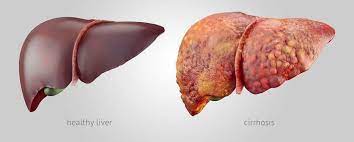
“When hormones are synthesized and packaged in non-sterile residential environments, the biological risks compound rapidly,” warns Dr. Arishti Mehta, an independent endocrinologist not affiliated with the investigation. “Beyond the known systemic risks of illicit steroid usage—such as liver toxicity, severe cardiovascular strain, and profound endocrine disruption—injectables prepared without rigorous quality control carry severe risk of bacterial sepsis, localized abscesses, and blood-borne contamination.”
Furthermore, health experts stress that fraudulent packaging marked “Made in Germany” is a common psychological ploy used by illicit syndicates to convey a false sense of safety and high manufacturing standards.
                        +----------------------------+
                        |  RISKS OF ILLICIT STEROIDS |
                        +----------------------------+
                                      |
         +----------------------------+----------------------------+
         |                                                         |
         v                                                         v
+------------------+                                     +-------------------+
| ORGAN & ENDOCRINE|                                     | MANUFACTURING     |
| HARMS            |                                     | HAZARDS           |
+------------------+                                     +-------------------+
| • Liver injury   |                                     | • Bacterial sepsis|
| • Hypertension   |                                     | • Wrong dosages   |
| • Hormone loss   |                                     | • Toxic additives |
+------------------+                                     +-------------------+
Global Context and Strict Indian Penalties
The World Health Organization (WHO) estimates that roughly 1 in 10 medical products circulating in low- and middle-income nations is either substandard or falsified. Falsified medicines may contain zero active ingredients, hazardous substitute chemicals, or incorrect dosages, resulting in direct organ damage, treatment failure, or broader drug resistance.
In India, the legal framework governing spurious medicines is exceptionally strict. Under the amended Drugs and Cosmetics Act, manufacturing or selling spurious drugs is a cognizable and non-bailable offense:
-
Standard Violations: A minimum of seven years’ imprisonment, extending up to life imprisonment, alongside a minimum fine of ₹3 lakh (or three times the value of confiscated goods).
-
Severe Harm or Death: If a spurious or adulterated drug causes death or grievous hurt, the law mandates imprisonment of not less than 10 years up to life, alongside a fine of at least ₹10 lakh.
To safeguard the evidentiary chain of custody for court prosecution, the Delhi government confirmed that the entire Narela search was videographed, with digital hash values generated on-site for all recorded files.
Patient Guidance: Protecting Yourself Against Spurious Drugs
For patients and consumers, the Narela bust serves as a stark reminder to exercise caution when purchasing medications, particularly high-value drugs or athletic supplements sold online.
Essential Safety Guidelines for Consumers
-
Verify Official Packaging: Always check for clear, crisp printing of batch numbers, manufacturing dates, expiry dates, and complete manufacturer addresses. Smudged or misprinted labels are major red flags.
-
Insist on Authentic Channels: Purchase prescription medications only from licensed retail pharmacies. Avoid buying medicines via informal social media groups, unregulated e-commerce platforms, or gym networks offering non-prescribed performance enhancers.
-
Demand Invoices: Ensure every purchase of Schedule H or prescription medication is accompanied by a valid bill detailing the batch number and seller’s drug license details.
-
Report Suspicious Sellers: Report unverified sellers, abnormally cheap medications, or unusual physical side effects to state drug control authorities or local consumer helplines.
Healthcare providers are similarly advised to remain vigilant regarding supply chain integrity, ensuring that critical care and autoimmune therapies are sourced exclusively through verified distributors.
Investigation Limits and Ongoing Actions
Authorities emphasize that the investigation remains active. Laboratory assays of the seized powders and liquid formulations are underway to determine exact chemical compositions and toxicological profiles. Furthermore, inter-state investigative units are mapping the distribution network to trace raw chemical suppliers in Haryana and locate absconding suspects.
While this joint enforcement action represents a decisive win for public safety, regulators acknowledge that counterfeit syndicates are increasingly sophisticated, often leveraging fake GST documentation and complex inter-state logistics. Continued collaboration between state drug regulators, law enforcement agencies, and the public remains essential to safeguarding the nation’s pharmaceutical supply chain.
Medical Disclaimer
Medical Disclaimer: This article is for informational purposes only and should not be considered medical advice. Always consult with qualified healthcare professionals before making any health-related decisions or changes to your treatment plan. The information presented here is based on current research and expert opinions, which may evolve as new evidence emerges.
References
-
India Today. “Delhi busts fake drug unit run from Narela flat, steroids seized.” Published July 29, 2026. India Today Report