 0
0
 0
0
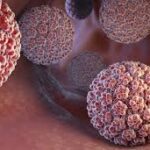
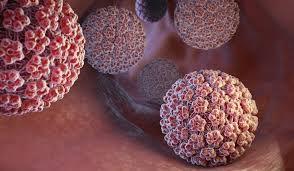
NEW DELHI — In a major development for women’s health, researchers from India and the United States have unveiled early-stage findings for an investigational oral drug that could fundamentally change how precancerous cervical conditions are managed. The small-molecule therapy, known as SHetA2, targets the molecular mechanisms that allow human papillomavirus (HPV) to transform healthy cervical cells into malignant tumors.
Developed through a collaborative partnership between the Stephenson Cancer Center at the University of Oklahoma and the Indian Council of Medical Research–National Institute of Cancer Prevention and Research (ICMR-NICPR), the experimental capsule offers a non-invasive alternative to traditional surgical interventions for high-grade cervical lesions.
The Disease Burden: A Public Health Imperative
Cervical cancer remains one of the leading causes of cancer-related mortality among women globally, carrying an exceptionally heavy toll in low- and middle-income countries (LMICs).
According to Indian government health data, India bears roughly one-third of the global cervical cancer burden, recording approximately 123,907 new diagnoses and 77,348 deaths annually. It ranks as the second most common cancer among Indian women, largely due to systemic challenges in widespread screening access and treatment infrastructure.
| Metric | Annual Estimate (India) | Global Context |
| New Annual Cases | ~123,907 | ~20% of global total |
| Annual Mortality | ~77,348 | ~30% of global deaths |
| Primary Risk Factor | High-Risk HPV strains (e.g., HPV-16, HPV-18) | Responsible for >95% of cervical cancers |
Currently, women identified with high-grade cervical intraepithelial neoplasia (CIN)—abnormal cell changes on the surface of the cervix that carry a high likelihood of progressing to invasive cancer—must undergo invasive procedures such as surgical excision or tissue ablation (freezing or heating abnormal tissue). While effective, these invasive treatments carry risks of complications, require specialized medical infrastructure, and can potentially impact future pregnancy outcomes.
Molecular Precision: How SHetA2 Works
Unlike preventive vaccines that teach the immune system to ward off initial HPV infection, SHetA2 is designed as a therapeutic intervention for individuals who have already developed precancerous lesions.
The compound is a small-molecule therapy—a synthetic low-molecular-weight chemical structure that can easily diffuse into cells and be produced cost-effectively at scale.
[Host Chaperone Proteins] <--- (SHetA2 Blocks Connection) ---> [HPV E7 Oncoprotein]
     (Mortalin, Hsc70, Grp78)                                            │
                                                                         ▼
                                                              [Targeted Destruction by]
                                                              [Host Immune Defenses]
Under normal circumstances, high-risk strains of HPV produce a viral protein called E7 (an oncoprotein), which drives uncontrolled cell division. To survive within human cells, E7 attaches itself to specific host “chaperone” proteins—namely mortalin, heat shock cognate 70 (hsc70), and glucose-regulated protein 78 (Grp78). This connection protects the viral protein from cellular degradation.
SHetA2 works by binding to these host proteins and breaking their protective link with E7. Without this shield, the cellular machinery recognizes E7 as foreign, triggering its destruction without damaging the host cell’s normal functions.
“SHetA2 selectively affects cancer cells while sparing normal ones,” explains Dr. Showket Hussain, senior scientist at ICMR-NICPR, who led preclinical evaluations validating the drug’s mechanism of action.
In early laboratory and animal models, this targeted degradation led to the selective death of precancerous and cancerous cells while leaving healthy cervical tissue unaffected.
Clinical Development Pipeline and Administration Methods
Intellectual property rights for SHetA2 are jointly held by the University of Oklahoma and ICMR-NICPR. Following initial safety evaluations, the technology was licensed to Indian pharmaceutical firm Emcure Pharmaceuticals to carry out larger clinical trials required for commercial distribution.
Researchers are evaluating two primary administration routes:
-
Oral Capsules: A daily take-home medication that reduces the need for clinical admissions or hospital-administered infusions.
-
Vaginal Suppositories: A localized delivery method currently under design. “This will maximize the concentration of the drug in the cervix while reducing exposure across the body,” Dr. Hussain notes.
Timeline, Limitations, and Future Outlook
While early phase 1 clinical data indicates strong safety, high tolerability, and favorable bioavailability, health experts caution that the compound is still years away from pharmacy shelves.
Preclinical Research ──► Phase 1 (Safety) ──► Phase 2/3 (Efficacy) ──► Regulatory Approval
     [COMPLETED]             [COMPLETED]         [NEXT 3-5 YEARS]            [PENDING]
Potential Benefits
-
Non-Invasive: Offers a pharmaceutical alternative to surgical or ablative tissue removal.
-
Accessible: As a small molecule, manufacturing costs are projected to be significantly lower than biological immunotherapies.
-
Scalable for LMICs: Reduces reliance on specialized surgical equipment and hospital beds.
Critical Considerations & Limitations
-
Does Not Prevent Infection: SHetA2 cannot protect against initial HPV transmission. Vaccines remain the primary prevention tool.
-
Trial Timeline: Phase 2 and 3 human trials are estimated to take up to five years to fully establish efficacy and optimal dosage.
-
Screening Dependent: The therapy requires accurate pre-diagnosis via screening methods like visual inspection with acetic acid (VIA) or HPV DNA testing.
Dr. Hussain emphasizes that patients currently diagnosed with cervical abnormalities should not delay standard medical care in anticipation of experimental treatments.
“Patients diagnosed with precancerous lesions or cervical cancer should continue to follow current standard-of-care treatments, which may include surgical excision, ablation, or other approved therapies,” Dr. Hussain stresses.
For health-conscious individuals, the primary recommendations remain unchanged: complete HPV vaccination prior to sexual debut (ideally between ages 9 and 14) and undergo routine cervical screening beginning at age 30.
Medical Disclaimer
This article is for informational purposes only and should not be considered medical advice. Always consult with qualified healthcare professionals before making any health-related decisions or changes to your treatment plan. The information presented here is based on current research and expert opinions, which may evolve as new evidence emerges.
References
-
Indian Express. “New cervical cancer pill shows promise by stopping HPV from turning cancerous.” Published July 28, 2026. https://indianexpress.com/article/health-wellness/cervical-cancer-pill-stop-hpv-turning-cancerous-sheta2-capsule-icmr-emcure-hpv-10806617/