 0
0
 0
0
Read Time:6 Minute, 9 Second
Published: August 7, 2026
GENEVA / KINSHASA — Facing a rapidly escalating outbreak of Bundibugyo virus disease—a rare and severe form of Ebola—the World Health Organization (WHO) and the Africa Centres for Disease Control and Prevention (Africa CDC) have issued a joint, high-level appeal for an immediate, community-led response across the Democratic Republic of the Congo (DRC). The urgent demand follows a critical joint delegation mission to Uganda and the DRC on August 4–5, 2026, where global health officials evaluated a system buckling under nearly 4,000 confirmed cases, severely overcrowded treatment units, and systemic surveillance gaps.
Outbreak Reaches Critical Threshold in Eastern DRC
Epidemiological reports published on August 4, 2026, paint a sober picture of the crisis. The DRC has logged 3,973 confirmed cases, 1,801 deaths, and 776 recoveries across 51 health zones in five provinces. These metrics reflect a crude case-fatality ratio of roughly 45%, emphasizing the severe pathogenicity of the virus.
In a single recent 24-hour window cited by health authorities, the country reported 99 new confirmed cases alongside 52 fatalities. Ituri province remains the epicenter of transmission, accounting for roughly 90% of all confirmed cases, with heavy concentrations in the health zones of Bunia, Rwampara, and Mongbwalu.
| Response Indicator | Current Status | Operational Target | Gap Severity |
| Confirmed Cases | 3,973 | N/A | High |
| Total Deaths | 1,801 (~45% mortality) | N/A | High |
| Contact Follow-Up Rate | 75% | ≥ 95% | Critical (20% deficit) |
| Treatment Occupancy (North Kivu) | 139% | ≤ 100% | Severe (39% over capacity) |
Beyond raw numbers, operational tracking reveals deep systemic strain:
-
Surveillance Deficits: Field epidemiologists are currently following only 75% of identified contact cases—well below the 95% minimum standard needed to break chains of transmission. Contact tracing ensures individuals exposed to the virus are identified early, tested, and isolated before they can pass the infection to others.
-
Healthcare Overcrowding: Isolation and treatment units are severely strained; treatment center occupancy in North Kivu stands at a dangerous 139%, compromising patient safety, increasing cross-infection risks, and threatening healthcare worker protection.
Why Community Engagement Holds the Key to Containment
Epidemiological modeling and past Ebola outbreaks demonstrate that medical supplies, specialized clinics, and personal protective gear are insufficient on their own. Stopping an outbreak requires active community participation: early self-reporting, acceptance of contact tracing, and adherence to safe, dignified burials.
“Containing and ultimately stopping this outbreak will come from communities. People are far more likely to report symptoms early and seek medical care when they receive guidance from trusted, local figures rather than foreign intervention teams.”— Dr. Jean Kaseya, Director-General of Africa CDC
This strategic pivot aligns with findings from independent public health researchers. Writing in an expert commentary published by the UK Science Media Centre, Prof. Trudie Lang, Professor of Global Health Research at the University of Oxford, emphasized that locally anchored community engagement must take precedence alongside expanded regional diagnostic capabilities.
“Trust is not a secondary activity in the Ebola response. Trust is central,” echoed Bruno Michon, Ebola Operations Manager for the International Federation of Red Cross and Red Crescent Societies (IFRC). In regions impacted by decades of armed conflict, displacement, and damaged infrastructure, top-down medical directives can provoke skepticism. Without community trust, families may care for sick loved ones in secret or resist safe burial practices, inadvertently accelerating community transmission.
Anatomy of a Rare Pathogen: The Bundibugyo Virus
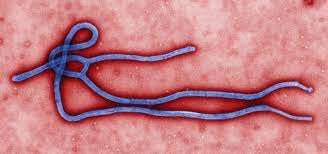
The pathogen driving this crisis is the Bundibugyo virus, one of six species within the genus Orthoebolavirus. First isolated during an outbreak in western Uganda in 2007, it previously caused a localized outbreak in the DRC in 2012.
┌───────────────────────────────────────────────────────────┐
│              BUNDIBUGYO VIRUS DISEASE STAGES               │
└───────────────────────────────────────────────────────────┘
                             │
                             ▼
  ┌───────────────────────────────────────────────────────┐
  │ INCUBATION PERIOD (2 to 21 Days)                      │
  │ • Asymptomatic                                        │
  │ • Non-contagious                                      │
  └───────────────────────────────────────────────────────┘
                             │
                             ▼
  ┌───────────────────────────────────────────────────────┐
  │ EARLY STAGE (Flulike Symptoms)                        │
  │ • High fever & fatigue                                │
  │ • Severe headache & muscle pain                       │
  │ • Sore throat (Often mistaken for malaria)            │
  └───────────────────────────────────────────────────────┘
                             │
                             ▼
  ┌───────────────────────────────────────────────────────┐
  │ ADVANCED STAGE (Gastrointestinal & Systemic Failure)  │
  │ • Persistent vomiting & severe diarrhea               │
  │ • Multi-organ dysfunction                             │
  │ • External / Internal bleeding (in subset of cases)   │
  └───────────────────────────────────────────────────────┘
Transmission Mechanics
According to guidance from the U.S. Centers for Disease Control and Prevention (CDC), Ebola viruses are not transmitted via airborne droplets like influenza or SARS-CoV-2. Transmission occurs almost exclusively through:
-
Direct contact with blood, secretions, organs, or other bodily fluids of infected or deceased individuals.
-
Exposure to objects (e.g., needles, bedding, clothing) contaminated with infected fluids.
-
Direct handling of infected wildlife (e.g., fruit bats, non-human primates).
Crucially, individuals infected with the virus do not spread it until overt clinical symptoms manifest.
Diagnostic & Treatment Challenges
Unlike the Zaire ebolavirus strain—for which licensed vaccines (Ervebo) and monoclonal antibody therapies (Inmazeb, Ebanga) exist—there are currently no approved vaccines or specific antiviral therapies for Bundibugyo virus disease.
Clinical management centers on early, aggressive supportive care:
-
Intravenous fluid rehydration and electrolyte balance.
-
Maintenance of oxygenation and blood pressure.
-
Target treatment of secondary co-infections and fever management.
Regional Risk Assessment and Public Guidance
While neighboring Uganda reported 20 confirmed cases early in the cycle, health authorities declared their national outbreak officially over on July 28, 2026, following 42 consecutive days without a new case. Nevertheless, international health authorities warn that active transmission in the eastern DRC leaves surrounding nations vulnerable to imported cases.
WHO’s regional risk assessment categorizes the threat level as very high at the national level within the DRC, but low at the global level. Because transmission requires contact with bodily fluids, widespread international spread remains unlikely.
Practical Advice for Residents and Travelers
Health authorities emphasize the following precautions in and around affected areas:
-
Symptom Monitoring: Anyone experiencing a sudden fever, acute exhaustion, muscle aches, vomiting, or diarrhea after potential exposure should isolate immediately and call designated national health hotlines.
-
Avoid Unsafe Handling: Do not attempt to care for severely ill individuals or handle deceased bodies without specialized training and personal protective equipment. Safe and dignified burial practices prevent major contamination events.
-
Information Literacy: Rely on verified updates from official health bodies (DRC Ministry of Health, WHO, Africa CDC) and avoid spreading unverified rumors on social channels.
Operational Constraints and the Path Forward
Public health experts caution that daily case surges may reflect a combination of expanding diagnostic testing, clearing laboratory backlogs, and improved field reporting rather than a sudden spike in daily infection events.
However, severe physical constraints remain. Active combat zones, population displacement, washed-out infrastructure, and persistent security incidents continue to disrupt contact tracing and delay care delivery.
To overcome these barriers, the WHO-Africa CDC joint coalition is calling for an immediate influx of financial resources, protective equipment, and logistics support. Crucially, global health organizations insist that response strategies must be codesigned alongside local women’s groups, religious institutions, youth organizations, and community leaders—ensuring that public health measures work with local populations rather than being imposed upon them.
References
-
World Health Organization. “Africa CDC and WHO call for urgent, community-led action to contain Ebola in the DRC.” WHO News Press Release, 6 August 2026. https://www.who.int/news/item/06-08-2026-africa-cdc-and-who-call-for-urgent–community-led-action-to-contain-ebola-in-the-drc
Medical Disclaimer: This article is for informational purposes only and should not be considered medical advice. Always consult with qualified healthcare professionals before making any health-related decisions or changes to your treatment plan. The information presented here is based on current research and expert opinions, which may evolve as new evidence emerges.


Happy
0 %

Sad
0 %

Excited
0 %

Sleepy
0 %

Angry
0 %

Surprise
0 %