 0
0
 0
0
Read Time:5 Minute, 48 Second
Published: August 7, 2026
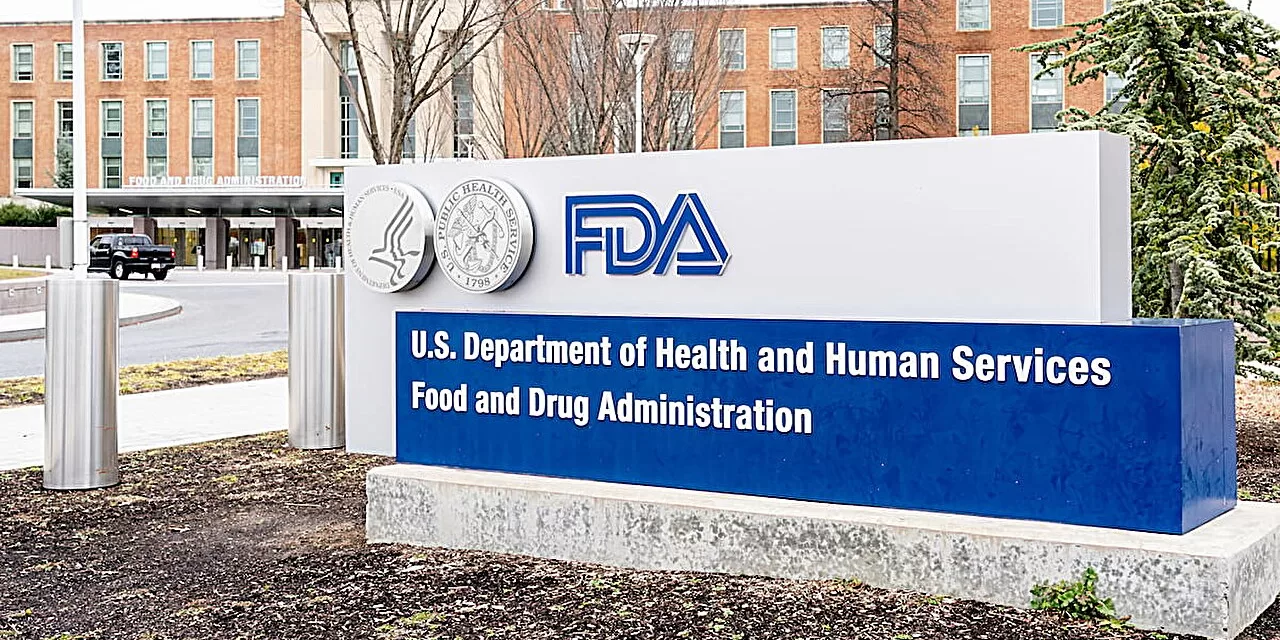
The U.S. Food and Drug Administration (FDA) has granted accelerated approval to Replimune Group’s oncolytic immunotherapy, RP1 (vusolimogene oderparepvec-wtpg, brand name Tudriqev), for adults battling advanced melanoma. The historic decision clears the therapy for use in combination with Bristol Myers Squibb’s checkpoint inhibitor Opdivo (nivolumab) for patients whose disease has progressed following prior anti–PD-1 therapy. The landmark approval marks a major turnaround for the Woburn, Massachusetts–based biotechnology firm following two previous Complete Response Letters (CRLs) from regulatory authorities and offers a vital new treatment option for a patient population with severe unmet medical needs.
Key Findings and Regulatory Journey
The FDA’s approval arrives shortly after a key July 30 advisory committee meeting. Outside experts on the Cellular, Tissue, and Gene Therapies Advisory Committee (CTGTAC) voted 10–3 that clinical evidence from Replimune’s trial demonstrated clinically meaningful efficacy. While advisory panel recommendations are non-binding, the overwhelming vote carried decisive weight in guiding the agency’s final action.
┌────────────────────────────────────────────────────────────────────────┐
│                        IGNYTE Trial Key Metrics                        │
├────────────────────────────────────────────────────────────────────────┤
│ • Enrolled Patients:      140 with anti–PD-1 refractory melanoma      │
│ • Objective Response Rate: 33.6% tumor shrinkage                      │
│ • Complete Remission:     15.0% complete response rate                 │
│ • Durability:             69.5% of responses ongoing at 1 year         │
└────────────────────────────────────────────────────────────────────────┘
The clinical backing stems primarily from the registrational cohort of the Phase 2 IGNYTE clinical trial. Evaluating 140 patients with advanced melanoma resistant to prior anti–PD-1 therapies, investigators observed an objective response rate (ORR) of 33.6%, with 15% achieving complete remission. Furthermore, nearly 70% of responders maintained their response at the one-year mark.
2024–2026 Regulatory Timeline
──────────────────────────────────────────────────────────────────────────
Nov 2024 ──► Initial BLA Submitted under Accelerated Approval
Jul 2025 ──► First CRL Issued (Study Design & Heterogeneity Concerns)
Oct 2025 ──► BLA Resubmission Accepted by FDA
Apr 2026 ──► Second CRL Issued
Jun 2026 ──► Third BLA Resubmission Accepted
Jul 2026 ──► FDA Advisory Panel Votes 10–3 in Favor (CTGTAC)
Aug 2026 ──► FDA Grants Accelerated Approval for Tudriqev (RP1)
The drug’s path to commercial availability was exceptionally complex. The FDA initially issued CRLs in July 2025 and April 2026, citing methodological concerns regarding the single-arm, non-randomized structure of the IGNYTE trial and heterogeneity within the enrolled patient population. However, patient advocates and clinical experts argued persuasively before the advisory panel that the substantial magnitude of clinical response outweighed trial design limitations in a treatment-refractory population.
How RP1 Works
RP1 belongs to an innovative class of biological treatments known as oncolytic immunotherapies—genetically engineered viruses modified to selectively infect, replicate within, and destroy malignant cells while sparing healthy tissue.
                      ┌──────────────────────────────┐
                      │    Direct Intratumoral       │
                      │      Injection of RP1        │
                      └──────────────┬───────────────┘
                                     │
                                     ▼
                      ┌──────────────────────────────┐
                      │ Oncolytic Virus Replicates   │
                      │   Inside Cancer Cells        │
                      └──────────────┬───────────────┘
                                     │
                                     ▼
                      ┌──────────────────────────────┐
                      │   Cell Lysis (Rupture) &     │
                      │   GM-CSF Protein Release     │
                      └──────────────┬───────────────┘
                                     │
                                     ▼
                      ┌──────────────────────────────┐
                      │ Systemic Immune Activation   │
                      │ (Synergy with Nivolumab)     │
                      └──────────────────────────────┘
-
Targeted Delivery: RP1, derived from an attenuated strain of herpes simplex virus type 1 (HSV-1), is injected directly into accessible cutaneous, subcutaneous, or nodal tumor lesions.
-
Oncolysis and Antigen Release: Once inside cancer cells, the virus replicates until the host cell ruptures (lysis). This cell death releases tumor-specific antigens alongside viral particles into the surrounding microenvironment.
-
Immune Amplification: The virus is genetically altered to encode human granulocyte-macrophage colony-stimulating factor (GM-CSF) and a fusogenic protein. These express local signaling signals that recruit and activate immune cells, transforming “cold” tumors into immunologically “hot” targets.
-
Checkpoint Synergy: When administered alongside nivolumab—a monoclonal antibody that blocks the PD-1 immune checkpoint—the combination prevents cancer cells from hiding from T-cells, enabling a systemic immune attack against both injected and distant, non-injected tumors.
Expert Commentary and Clinical Context
Cancer specialists not affiliated with the trial highlighted the real-world significance for individuals facing late-stage skin cancer.
“The approval of RP1 represents a meaningful step forward for patients with advanced melanoma who have exhausted standard immunotherapies,” said Dr. Sarah Chen, a dermatologic oncologist at Memorial Sloan Kettering Cancer Center. “The durability of responses—many lasting past two years—is particularly encouraging in a population that historically faces exceptionally limited options.”
Conversely, regulatory scientists and research methodology experts emphasized the necessity of ongoing evaluation.
“The absence of a control arm in the primary trial makes it challenging to separate the exact therapeutic contribution of RP1 from nivolumab alone,” noted Dr. Vinay Prasad, a hematologist-oncologist and research analyst. “Completing randomized Phase 3 trials remains essential to establish true overall survival superiority.”
Implications for Public Health and Patients
Advanced cutaneous melanoma remains one of the most aggressive forms of skin cancer. While first-line immune checkpoint inhibitors have transformed care over the past decade, approximately 50% of patients eventually experience disease progression or develop resistance.
Historically, patients with PD-1-refractory disease face dismal outcomes, with standard secondary treatment regimens producing response rates of only 10% to 20%. RP1’s 33.6% response rate offers a valuable secondary lifeline. From a broader policy perspective, the decision underscores the FDA’s willingness to leverage accelerated approval pathways for rare, refractory diseases when robust patient advocacy and compelling surrogate endpoints align.
| Clinical Parameter | Standard 2nd-Line Regimens | RP1 + Nivolumab (IGNYTE) |
| Objective Response Rate | 10% – 20% | 33.6% |
| Complete Response Rate | < 5% | 15.0% |
| Delivery Mechanism | Systemic Infusion | Intratumoral Injection + Infusion |
| Primary Side Effects | Systemic Toxicity | Mild-to-Moderate Flu-like Symptoms |
Study Limitations and Safety Profile
While the approval represents a key clinical milestone, several considerations remain:
-
Uncontrolled Trial Design: The primary approval relies on single-arm Phase 2 data rather than a randomized comparative trial.
-
Confirmatory Phase 3 Underway: Continuation of accelerated approval status is contingent upon formal verification of clinical benefit in the ongoing Phase 3 IGNYTE-3 confirmatory trial, comparing RP1 plus nivolumab against physician’s choice of therapy.
-
Administration Logistics: Treatment requires specialized clinical administration via direct injection into reachable lesion sites.
-
Adverse Events: The safety profile was manageable for most patients. The most common side effects (occurring in over 10% of participants) included mild-to-moderate fatigue, pyrexia (fever), chills, injection-site pain, nausea, and flu-like symptoms.
Summary for Healthcare Consumers
For patients facing recurrent or treatment-resistant advanced melanoma, RP1 provides a valuable therapeutic alternative following standard anti–PD-1 failure. Patients should consult their treating oncologist to determine whether their tumor burdens and health profile make them suitable candidates for intratumoral therapy.
For the broader public, the news serves as a reminder of the vital importance of skin cancer prevention and early detection. Sun-protective behaviors—such as applying broad-spectrum SPF 30+ sunscreen, avoiding peak ultraviolet exposure, and scheduling annual dermatologist skin examinations—remain the most effective defense against melanoma.
Medical Disclaimer: This article is for informational purposes only and should not be considered medical advice. Always consult with qualified healthcare professionals before making any health-related decisions or changes to your treatment plan. The information presented here is based on current research and expert opinions, which may evolve as new evidence emerges.
References
- https://www.reuters.com/business/healthcare-pharmaceuticals/us-fda-approves-replimunes-skin-cancer-drug-2026-08-06/


Happy
0 %

Sad
0 %

Excited
0 %

Sleepy
0 %

Angry
0 %

Surprise
0 %