 0
0
 0
0
PARIS / NEW DELHI — In a move that has sent ripples through the global public health community, the French Agency for Food, Environmental and Occupational Health & Safety (ANSES) has released a comprehensive review that may fundamentally alter how governments regulate nicotine. After an exhaustive analysis of over 2,500 scientific publications, the agency concluded that while smokeless tobacco products (SLTs) are not risk-free, they carry significantly lower health risks than traditional combustible cigarettes.
The findings come at a critical juncture for India, a nation where tobacco-related illnesses claim over 1 million lives annually. As the global health community shifts toward a “harm reduction” model, the ANSES report provides a scientific basis for differentiating between the most lethal forms of tobacco and emerging alternatives—a distinction that could define the next chapter of India’s National Tobacco Control Programme (NTCP).
The Science of Survival: Combustion vs. Consumption
The crux of the ANSES report lies in a simple yet devastating chemical process: combustion. When a cigarette is lit, it generates more than 7,000 chemicals, including toxic aldehydes and carbon monoxide, which are primary drivers of respiratory failure, heart disease, and cancer.
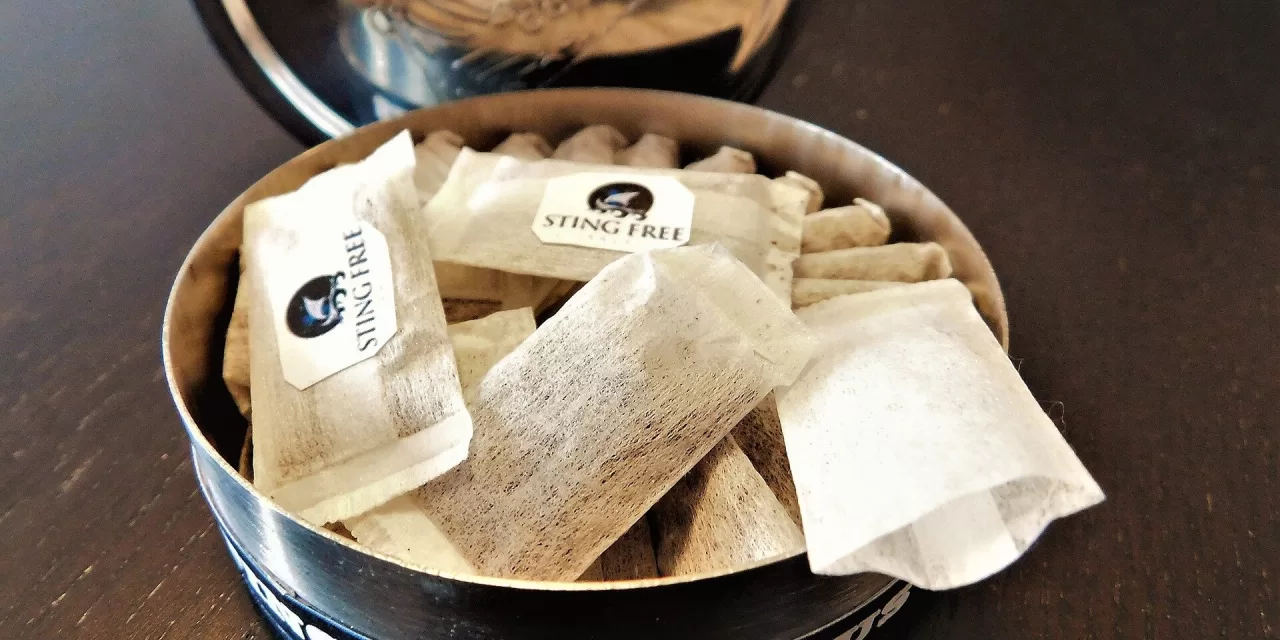
By contrast, smokeless products—including snus, heated tobacco products (HTPs), and nicotine pouches—eliminate the burning of tobacco. The ANSES review notes that by removing the smoke, these products drastically reduce the user’s exposure to the most lethal toxins.
“The long-term risks for smokeless products are characterized as ‘likely’ rather than conclusively proven, simply because we don’t have decades of data yet,” the report states. “However, the asymmetry in evidence compared to the well-documented devastation of combustible cigarettes is significant.”
This scientific sentiment is echoed in a recent nationwide South Korean study published in the European Journal of Preventive Cardiology. The study tracked heart disease patients who fully transitioned to smokeless tobacco, finding a reduction in major cardiovascular risk equivalent to complete cessation. Researchers attributed this to the absence of tar and carbon monoxide, which directly ravage the vascular system.
Global Success Stories: The “Harm Reduction” Pivot
Several nations have already begun integrating these findings into their public health frameworks, moving away from “quit or die” mandates toward pragmatic harm reduction.
-
United Kingdom: The 2023 “Swap to Stop” program distributed 125,000 smokeless kits to smokers. According to Dr. Vera Buss, Senior Research Fellow at University College London, users of these products were 50% more likely to successfully quit cigarettes than those using traditional nicotine-replacement therapies (NRTs).
-
Japan: The rapid adoption of HTPs has seen cigarette sales plummet. Data indicates a relapse rate of only 0.5-1% among those who switch, with minimal uptake among non-smokers.
-
Sweden: By favoring snus over cigarettes, Sweden now boasts the lowest smoking rates in the world and significantly lower rates of tobacco-related cancers compared to its European neighbors.
The Indian Dilemma: Cultural Roots and Regulatory Challenges
For India, the stakes are uniquely high. According to the Global State of Tobacco Harm Reduction (GSTHR), tobacco caused 1,048,266 deaths in India in 2021. Unlike the West, India’s burden is dominated by smokeless forms like gutka, khaini, and paan masala, used by 28% of adults, compared to 11% who smoke.
While the NTCP has successfully implemented pictorial warnings on 85% of packaging and enforced strict bans on public smoking, the cultural entrenchment of SLTs remains a hurdle. Critics of a “softer” approach on smokeless tobacco point to India’s youth population—nearly 28% are under the age of 15. They fear that lower-risk labels could act as a “gateway” to addiction.
“We must be cautious,” says Dr. Sanjay Gupta, a Delhi-based public health expert. “While the evidence supports lower-risk options for those unable to quit, we need iron-clad controls. This means absolute flavor bans and zero advertising to ensure these products aid cessation rather than attracting a new generation.”
Practical Implications for the Public
What does this mean for the average Indian consumer? Public health experts suggest a hierarchy of safety:
-
Total Cessation: The healthiest choice remains quitting all nicotine products.
-
Medical NRTs: Patches and gums are the gold standard for quitting.
-
Switching: For those who cannot quit, the ANSES report suggests that switching to a non-combustible product is a significantly “cleaner” alternative to smoking.
One helpful analogy is trading a roaring bonfire for a single candle. While the candle still has a flame (nicotine), it is far less likely to burn the house down (the body) than the uncontrolled bonfire of a cigarette.
Potential Limitations and Counterarguments
The report has not been met without resistance. The World Health Organization (WHO) remains cautious, warning against the influence of the tobacco industry in promoting “reduced harm” narratives. Some studies from the U.S. and Japan have highlighted that while cardiovascular risks are lower than smoking, they remain higher than for non-users. Furthermore, the risk of “dual use”—where a person both smokes and uses smokeless products—remains a significant concern for regulators.
The Road Ahead: A Balanced Path for India
The ANSES report suggests that India could benefit from a differentiated regulatory strategy. By treating low-risk smokeless products differently than lethal cigarettes—through tiered taxation and specialized health warnings—India could potentially nudge its 100 million smokers toward less harmful alternatives.
As the NTCP evolves, pilot programs in high-prevalence states like Uttar Pradesh or Bihar could provide the data needed to see if the “French model” can save lives in an Indian context.
“Harm reduction is not harm acceptance,” the report concludes. “It is an acknowledgement that for millions, an intermediate step toward cessation is more realistic than an immediate one.”
Medical Disclaimer: This article is for informational purposes only and should not be considered medical advice. Always consult with qualified healthcare professionals before making any health-related decisions or changes to your treatment plan. The information presented here is based on current research and expert opinions, which may evolve as new evidence emerges.
References
-
ANSES Report: French Agency for Food, Environmental and Occupational Health & Safety. Review of Scientific Literature on Smokeless Tobacco Products. 2026.
- https://www.ndtv.com/health/what-frances-new-tobacco-research-means-for-indias-evolving-public-health-approach-11327374