 0
0
 0
0
NEW DELHI / VIJAYAWADA — In a landmark development for adolescent mental health, a large-scale study conducted across the urban slums of New Delhi and Vijayawada has demonstrated that a combination of youth-led anti-stigma campaigns and a simple smartphone-based screening tool can significantly reduce depression and suicide risk among teenagers. The findings, published this week in JAMA Psychiatry, offer a scalable blueprint for addressing the mental health crisis in some of the world’s most resource-constrained environments.
Known as the ARTEMIS project (Adolescents’ Resilience and Treatment nEeds for Mental Health in Indian Slums), the initiative reached thousands of adolescents aged 10–19. At a time when India grapples with an estimated 50 million adolescents facing mental health challenges, the study provides robust evidence that community-driven, tech-enabled interventions can save lives where traditional psychiatric infrastructure is absent.
The Two-Pronged Strategy: Beyond the Clinic Walls
The ARTEMIS project, spearheaded by The George Institute for Global Health India, moved away from the traditional “hospital-centric” model. Instead, it utilized a “task-sharing” approach that empowered community members and primary health workers.
The intervention focused on two primary pillars:
-
Youth-Driven Anti-Stigma Campaigns: Researchers worked directly with local teenagers to create culturally resonant multimedia content. This included street plays, posters, and WhatsApp videos designed to dismantle the myth that mental illness is a sign of “weakness” or “bad blood.”
-
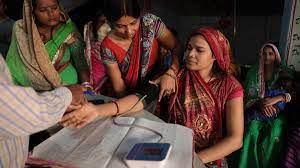
Digital Decision-Support System (EDSS): Frontline health workers were equipped with tablets featuring a digital tool that screened adolescents for depression using the validated Patient Health Questionnaire-9 (PHQ-9). The tool provided immediate guidance on simple counseling techniques and identified those needing urgent referral.
“These campaigns were co-created by youngsters themselves, so they resonated better with peers and families,” said Dr. Sandhya Kanaka Yatirajula, Program Lead for Mental Health at The George Institute for Global Health India. By speaking the language of the community, the project effectively lowered the “stigma barrier” that often prevents families from seeking help.
Key Findings: A Measure of Hope
In this cluster-randomized trial, which involved 60 slum clusters, the results after one year were statistically significant. Compared to control groups that received standard care, the ARTEMIS clusters reported:
-
Lower Depression Scores: A measurable drop in average depression severity among adolescents.
-
Reduced Self-Harm Risk: A significant decrease in indicators for self-harm and suicidal ideation.
-
Shifting Attitudes: A marked improvement in community knowledge and a reduction in the social distance people wished to maintain from those with mental health struggles.
Dr. Pallab Maulik, Director of Research at The George Institute India and the study’s principal investigator, noted that the digital tool allowed for high “implementation fidelity.” This means the program was easy for non-specialist health workers to follow accurately, ensuring that even in crowded slums, high-risk teens did not fall through the cracks.
Expert Commentary: A “Game-Changer” for Global Health
Independent experts are hailing the study as a proof-of-concept for other low- and middle-income countries.
“This trial shows that you don’t need fancy clinics in every alley to make a dent in adolescent depression,” says Dr. Priya N., a child psychiatrist in southern India not involved with the study. “Community-level awareness plus a simple digital scaffold for primary-health workers can be surprisingly powerful.”
Dr. Suresh R., a public health epidemiologist, emphasized the importance of the study’s scale. “With roughly 20% of Indian adolescents experiencing mental health issues, we cannot rely on psychiatrists alone. If this can be integrated into existing government health and school systems, it could be a game-changer for universal mental health coverage.”
Why the Slum Context Matters
Adolescents in urban slums face a “perfect storm” of stressors: extreme poverty, lack of privacy, safety concerns, and high parental stress. Furthermore, half of all adult mental health disorders begin by age 14.
Early intervention is not just a medical necessity; it is a public health imperative. By identifying “psychological distress” early through a smartphone app, the ARTEMIS model bridges the “treatment gap”—the massive divide between those who need care and those who actually receive it.
Limitations and the Path Ahead
While the results are promising, the researchers and independent analysts urge a balanced perspective.
-
Generalizability: The study focused on two major Indian cities. Whether the same model would work as effectively in rural areas or smaller towns remains to be seen.
-
Systemic Barriers: Dr. Meera P., a mental health policy researcher, cautioned that “digital tools alone are not a panacea.” If a family cannot afford the travel to a referral hospital or lacks trust in the public health system, the initial screening may lead to a dead end.
-
Data Accuracy: The study relies heavily on self-reporting by adolescents. While the PHQ-9 is a gold-standard tool, cultural nuances in how distress is expressed can sometimes complicate data.
Practical Steps for Families and Communities
The ARTEMIS findings offer actionable insights for caregivers and local leaders:
-
Normalize the Conversation: Reframe mental health as a part of overall physical health. When parents talk openly about stress, teenagers feel safer coming forward.
-
Empower the Youth: Adolescents are more likely to listen to their peers. Involving youth in community “wellness committees” can be more effective than top-down lectures.
-
Leverage Technology: Digital screening is a fast, private, and non-judgmental way to start the help-seeking journey.
As India moves toward its goal of integrated mental healthcare, the ARTEMIS project serves as a reminder that the most effective solutions are often those that meet people exactly where they live—on their doorsteps and on their screens.
Medical Disclaimer: This article is for informational purposes only and should not be considered medical advice. Always consult with qualified healthcare professionals before making any health-related decisions or changes to your treatment plan. The information presented here is based on current research and expert opinions, which may evolve as new evidence emerges.
References
-
Economic Times Health Desk. “Anti-stigma campaign, digital tool help mitigate mental health problems in slums: Study.” The Economic Times, India, 30 April 2026.