 0
0
 0
0
AMARAVATI — In a decisive move to overhaul its public health strategy, the Government of Andhra Pradesh has officially approved an ambitious preventive health screening initiative. Designed to reach 5.64 million citizens annually, the program marks a transition from a traditionally curative “wait-and-see” model to a proactive, diagnostic-heavy approach.
The initiative, sanctioned by State Health Minister Satya Kumar Yadav on April 29, 2026, utilizes a revamped network of 104 Mobile Medical Units (MMUs). These “clinics on wheels” will deliver a battery of 47 comprehensive diagnostic tests directly to residents’ doorsteps, focusing on early detection of non-communicable diseases (NCDs) and the creation of a statewide digital health registry.
From Rapid Kits to Advanced Diagnostics
For years, rural healthcare in the state relied on basic MMU services that offered only six rapid tests, such as hemoglobin and random blood sugar. While useful for immediate concerns, these tests often lacked the precision needed for long-term chronic disease management.
The new framework expands this scope to 11 essential health categories. The upgraded diagnostic menu now includes:
-
Liver and Renal Function: Detailed panels to detect early-stage organ stress.
-
Lipid Profiles: Assessing cardiovascular risk through cholesterol screening.
-
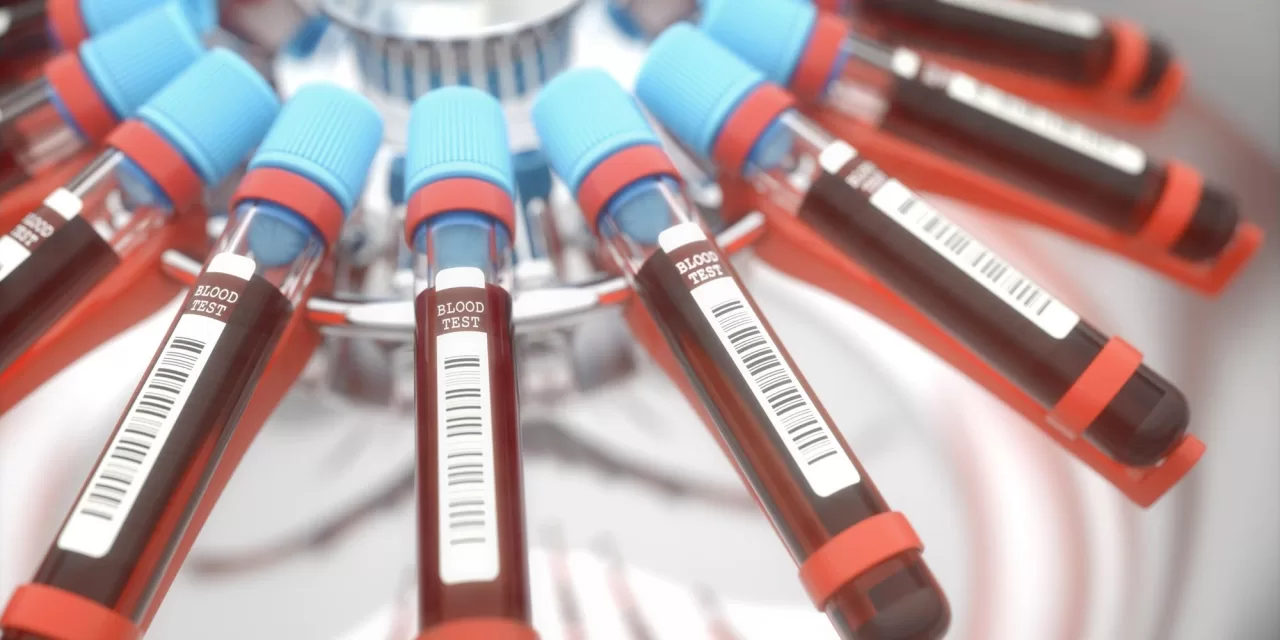
Complete Blood Counts (CBC): Utilizing 3-part analyzers for precise hematology.
-
Infection Markers: Including Erythrocyte Sedimentation Rate (ESR) to identify underlying inflammation.
To support this leap in capability, the state’s fleet of 904 vehicles will be outfitted with semi-automatic biochemistry analyzers, microscopes, and incubators. Each unit is scheduled to screen approximately 20 individuals per day, ensuring a steady throughput of data that will be integrated into the state’s “Sanjeevani” framework.
Data-Driven “Sanjeevani”: A Digital Shield
A cornerstone of the initiative is the shift toward individualized health management. By digitizing the results of these 47 tests, the government aims to build permanent Electronic Health Records (EHRs) and unique disease profiles for every participant.
“Comprehensive screening and early detection are essential to safeguard public health and prevent diseases effectively,” Minister Yadav stated during the announcement. With an annual budget of Rs 162.72 crore, the program will prioritize those flagged in recent NCD surveys and students living in welfare hostels—demographics often at higher risk for undiagnosed conditions.
Under the Sanjeevani system, citizens will receive personalized medical advice. For example, a resident found to have a high electrolyte imbalance or rising glucose levels won’t just receive a lab report; they will be funneled into a structured follow-up plan designed to prevent these markers from becoming full-blown crises.
Expert Perspectives: The Challenge of the “Last Mile”
While the scale of the program is unprecedented, public health experts urge a balanced view of its potential impact. The success of a screening drive is not measured by the number of tests conducted, but by what happens after the results are in.
“Screening alone does not improve health outcomes; it is the link to primary care and the management of identified conditions that determines the ultimate success of such ambitious policies,” says Dr. Rajesh Kumar, a public health consultant not affiliated with the government initiative.
Independent observers point to several critical hurdles:
-
Maintenance of Equipment: Keeping sensitive biochemistry analyzers calibrated in mobile units traveling over varied terrain is a significant logistical feat.
-
Human Resources: The initiative will require a robust cadre of technicians and counselors to interpret results and ensure patients adhere to preventive advice.
-
Health Literacy: For the program to work, the “Sanjeevani” advisories must be translated into actionable steps that citizens trust and follow.
What This Means for You
For the average resident of Andhra Pradesh, this initiative removes the two biggest barriers to healthcare: cost and distance. By bringing advanced diagnostics to the village level, the program allows for the detection of “silent killers” like hypertension or early-stage kidney disease long before symptoms appear.
For a population where out-of-pocket healthcare expenses can be devastating, early detection could mean the difference between a simple lifestyle adjustment today and an expensive, life-altering surgery years down the line. As the program rolls out over the next two months, officials are urging the public to participate in the screenings to ensure their digital health profiles are established early.
Medical Disclaimer: This article is for informational purposes only and should not be considered medical advice. Always consult with qualified healthcare professionals before making any health-related decisions or changes to your treatment plan. The information presented here is based on current research and expert opinions, which may evolve as new evidence emerges.
References
Official Sources & Reports:
-
Andhra Pradesh Health Department. Official Release: Revamped 104 Mobile Medical Unit Diagnostic Guidelines. April 29, 2026.
-
“Andhra government rolls out statewide health screening drive.” The New Indian Express, April 30, 2026.