 0
0
 0
0
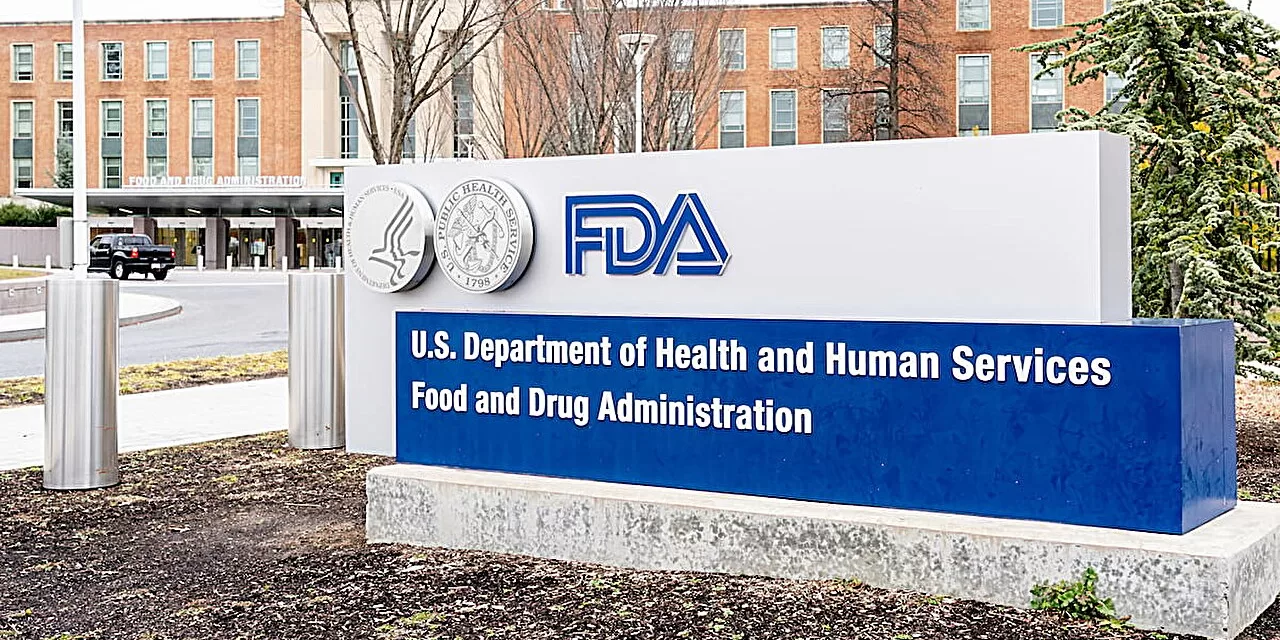
WASHINGTON — The U.S. Food and Drug Administration (FDA) has placed an import alert on drug products manufactured at Dabur India’s facility in Dadra and Nagar Haveli. The regulatory action, announced by the consumer goods giant on June 11, 2026, follows an agency inspection that uncovered severe violations of Current Good Manufacturing Practice (cGMP). Federal investigators documented major lapses in data integrity, compromised equipment sanitization, and visible environmental contamination at the western Indian facility, prompting immediate border enforcement to protect public health.
The administrative action places the facility on Import Alert 66-40, triggering “Detention Without Physical Examination” (DWPE). Under this directive, U.S. customs authorities will automatically detain designated drug shipments originating from the site at the border. Importers must proactively provide verifiable evidence that the batches comply with federal safety regulations before any products can legally enter American commercial markets.
Unsanitary Conditions and Document Alterations: The FDA’s Key Findings
The enforcement action stems from an on-site FDA inspection conducted in January 2026. The resulting regulatory report detailed several critical environmental hazards and data manipulation practices that threaten the safety and reproducibility of the facility’s pharmaceutical outputs.
Environmental Contamination
FDA investigators documented direct threats of microbiological contamination within the facility’s primary storage sectors. According to the inspection report, a live bird and its accumulated droppings were discovered inside the raw material storage area, located approximately 30 feet from exposed product packaging supplies. Furthermore, an unidentified black substance—highly indicative of microbial or fungal growth—was found covering more than 25% of the ceiling tiles across both the raw material and finished product storage rooms.
Data Integrity Breaches
Beyond physical sanitation failures, the FDA uncovered systemic data integrity violations. Inspectors found that essential batch manufacturing logs had been intentionally altered to conceal that specialized equipment—originally designated for single-product lines—had been systematically repurposed for multiple other drug items without documented cleaning validation.
Testing Discrepancies
The report explicitly questioned the reliability of the plant’s internal quality control metrics. While the facility’s official microbiological test logs continuously showed results within acceptable limits, the FDA’s independent side-by-side sampling during the audit detected significant, unrecorded microbial contamination across multiple product samples. Additionally, plant management failed to adequately review drug production logs and quality documentation before approving and releasing commercial batches into the market.
Understanding the Impact of an FDA Import Alert
An FDA import alert serves as an administrative barrier to block potentially non-compliant medical products from entering the American supply chain. Rather than testing every single package at the border, the FDA shifts the burden of proof directly onto the commercial importer.
[Facility Violations Detected]
              │
              ▼
    [FDA Issues Import Alert]
              │
              ▼
[Automatic Border Detention (DWPE)]
              │
              ▼
┌─────────────────────────────┴─────────────────────────────┐
│                                                           │
▼                                                           ▼
[Importer Proves Compliance]               [Failure to Provide Evidence]
│                                                           │
▼                                                           ▼
[Product Released to Market]                     [Product Refused Entry]
A manufacturing firm remains on this restrictive list until it conducts a thorough operational remediation. The company must submit detailed chemical and microbiological analyses, alongside independent audit reports, to give the FDA statistical confidence that its systemic manufacturing issues have been permanently resolved.
Global Context: Heightened Scrutiny of Overseas Manufacturers
This regulatory action occurs amid sustained federal oversight of foreign pharmaceutical facilities. As of mid-2024, the FDA placed 41 Indian active pharmaceutical ingredient (API) and finished drug sites on its active Import Alert 66-40 tracking list due to ongoing cGMP compliance failures.
Historically, global import alerts have concentrated heavily within two regions:
| Manufacturing Region | Share of Total FDA Import Alerts (FY2024) | Serious cGMP Violation Rate (Inspected Sites) |
| China | 39% | 11% |
| India | 13% | 13% |
| Other International Regions | 10% (Average) | 4% |
Source: U.S. Food and Drug Administration / U.S. Senate Committee Reports (FY2024)
Despite the high rate of violations documented in FY2024, recent data indicates a broader trend toward compliance recovery within the Indian pharmaceutical landscape. A 2026 report from the ICRA Ratings Agency noted that “Official Action Indicated” (OAI) classifications—the FDA’s most severe non-compliance designation—nearly halved for Indian firms, dropping from 20 in 2024 down to 11 in 2025. The overall number of warning letters and import alerts issued to Indian manufacturing sites remained stable at 23 instances through late 2025.
Industry Analysis: The Significance of Data Integrity
Pharmaceutical compliance experts emphasize that data integrity failures represent a worst-case scenario for regulatory compliance, as they invalidate the fundamental evidence used to establish drug safety.
“When manufacturing records are altered to hide equipment misuse, it fundamentally undermines confidence in all quality data produced at that facility,” explains Dr. Rajesh Kumar, a pharmaceutical quality consultant and former FDA inspector with 20 years of regulatory compliance experience. “A regulatory agency cannot verify the safety, potency, or purity of a drug if the underlying operational paperwork is unreliable.”
Dr. Kumar also emphasized that environmental contamination directly jeopardizes patient health. “Finding live birds and avian droppings near packaging materials indicates fundamental failures in facility pest control and sanitation protocols that are essential for pharmaceutical manufacturing. Avian environments introduce pathogens like Salmonella or Cryptococcus, which pose severe risks to vulnerable or immunocompromised patients.”
Historical precedents show that the FDA treats these structural data breaches with extreme severity. In a similar enforcement case involving manufacturer Global Calcium, the FDA flatly rejected the company’s initial remediation proposals. The agency stated that standard corrective adjustments were insufficient to address the deep, systemic data gaps identified by inspectors, requiring a complete, independently verified overhaul of their operational data infrastructure.
Company Response and Economic Context
In an official corporate clarification, Dabur India Limited stated that the FDA’s import alert would have no material financial or operational impact on the parent company’s broader business layout.
Dabur India Plant Revenue Breakdown (2026)
┌──────────────────────────────────────────────┐
│ Affected Silvassa Plant Operations (<1%)     │
├──────────────────────────────────────────────┤
│                                              │
│ Domestic & Unaffected Global Operations (>99%)│
│                                              │
└──────────────────────────────────────────────┘
The executive management team confirmed the following:
-
Localized Impact: The FDA’s observations apply strictly to a specific, isolated segment of its manufacturing plant in Silvassa, located within the Dadra and Nagar Haveli territory.
-
Revenue Contribution: This specific manufacturing segment contributes an insignificant fraction of a percent to the company’s total annual operating revenue.
-
Corrective Actions: Dabur is actively engaged with USFDA officials and has begun executing a comprehensive Corrective and Preventive Action (CAPA) plan to resolve the sanitation and documentation issues.
-
Domestic Operations: The company’s domestic supply chains, domestic consumer products, and alternative manufacturing plants remain entirely unaffected by this border alert.
Dabur India Limited possesses deep institutional experience navigating international regulations. Founded in Kolkata in 1884 by Ayurvedic practitioner S.K. Burman, the organization has grown over its 141-year history to become the world’s largest Ayurvedic and natural healthcare company. Corporate records show that Dabur successfully resolved comparable FDA inquiries in 2013 by submitting comprehensive corrective dossiers within the legally mandated timelines.
Public Health Implications: What Consumers Need to Know
For health-conscious consumers and medical professionals, this development highlights the preventive nature of modern drug safety oversight. The import alert is an early-stage administrative block designed to stop potentially compromised batches from entering retail shelves, rather than a consumer-level recall stemming from documented patient injuries.
Because the FDA has expanded its use of unannounced, surprise inspections at international pharmaceutical facilities, consumers can view these alerts as evidence of active oversight rather than immediate panic. Patients currently taking medications are advised to look at the manufacturer labels on their prescriptions. If a product is traced directly to the Silvassa facility and causes concern, patients should consult their prescribing physicians or pharmacists to explore equivalent therapeutic alternatives. Patients should never abruptly discontinue prescribed medication regimens without direct medical consultation.
Medical Disclaimer
Medical Disclaimer: This article is for informational purposes only and should not be considered medical advice. Always consult with qualified healthcare professionals before making any health-related decisions or changes to your treatment plan. The information presented here is based on current research and expert opinions, which may evolve as new evidence emerges.
References
-
Reuters. (2026, June 11). U.S. drug regulator issues import alert for drugs made at a Dabur India plant. Healthcare & Pharmaceuticals Sector Report.