 0
0
 0
0
Salumbar, Rajasthan | April 12, 2026
A public health investigation is underway in the Salumbar district of Rajasthan following a tragic cluster of deaths among young children. Local health officials are racing to identify the cause of a rapid-onset illness that has claimed the lives of at least six children since April 1, 2026. The clinical profile of the cases—marked by sudden high fever, vomiting, and loss of consciousness—has led authorities to suspect a viral outbreak, potentially involving viral encephalitis or Acute Encephalitis Syndrome (AES).
The deaths, primarily reported from the villages of Ghata and Lalpura in the Lasadiya area, have triggered an expansive regional response involving house-to-house surveillance and large-scale vector control measures.
A Sudden and Deadly Onset
The victims, aged between two and seven years old, succumbed to the illness with alarming speed. According to district health reports, several children deteriorated within just one to two hours of developing symptoms.
“We are monitoring the situation constantly,” stated Muhammed Junaid, the Salumbar District Collector. “Our teams have collected blood, stool, and saliva samples from children displaying symptoms. These have been dispatched to the National Institute of Virology (NIV) in Pune for definitive testing.”
As of mid-April, more than 85 children have been hospitalized with similar symptoms across the Udaipur division. Health teams have screened over 120,000 households to identify symptomatic patients before their conditions become critical.
Understanding the “Brain Fever” Suspicion
Medical experts suspect viral encephalitis, an inflammation of the brain parenchyma usually caused by a viral infection. In India, such clusters are often categorized under the umbrella of Acute Encephalitis Syndrome (AES).
According to the World Health Organization (WHO), AES is characterized by an acute onset of fever and a change in mental status, such as confusion, disorientation, or coma. While Japanese Encephalitis (JE) was historically the primary cause of AES in India, other pathogens—including the Chandipura virus (CHPV)—have emerged as significant threats.
Symptoms to Watch For:
-
High Fever: Often the first sign.
-
Gastrointestinal Distress: Persistent vomiting and nausea.
-
Altered Consciousness: Drowsiness, extreme irritability, or inability to speak.
-
Neurological Signs: Seizures or focal weakness.
“In pediatric cases, encephalitis is a true medical emergency,” says Dr. Mahendra Parmar, Chief Medical and Health Officer (CMHO) of Salumbar. “The rapid deterioration we’ve seen in these villages suggests a highly virulent pathogen. Early referral to a facility with neurological monitoring is the single most important factor in survival.”
The Chandipura Factor
While officials await lab confirmation, the pattern of the Salumbar cluster mirrors previous outbreaks of the Chandipura virus. This rhabdovirus, transmitted by sandflies and certain mosquito species, is notorious for its high case-fatality rate—historically between 56% and 75%—and its tendency to affect children under the age of 15.
A massive outbreak in 2024 across Gujarat and Rajasthan resulted in 245 AES cases and 82 deaths, according to WHO data. The virus is known to cause brain edema (swelling) and can lead to death within 48 to 72 hours of symptom onset if supportive care is not administered immediately.
Public Health Offensive: Surveillance and Containment
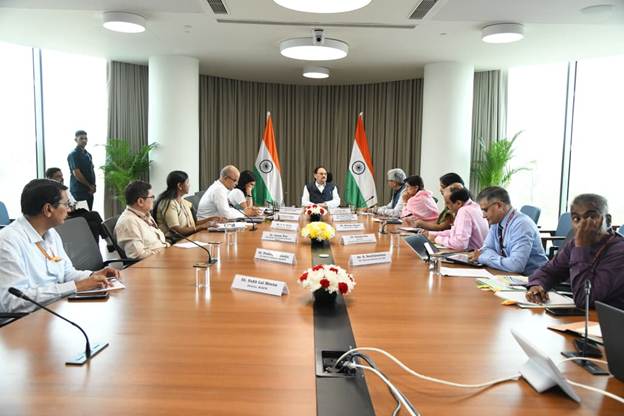
In response to the deaths, the Rajasthan Health Department has deployed 17 specialized teams to conduct door-to-door checks. Principal Secretary of Health, Gayatri Rathore, confirmed that over 3,600 teams have surveyed approximately 52,000 houses in the broader region.
Current Containment Efforts:
-
Vector Control: Anti-larval activities have been carried out in over 5,500 locations to eliminate breeding grounds for mosquitoes and sandflies.
-
Fogging: Extensive chemical fogging is being conducted in the Ghata and Lalpura villages.
-
Early Referral: Doctors at Anganwadis and schools have been instructed to refer any child with fever and vomiting to district hospitals immediately.
Limitations of Current Evidence
It is crucial to note that the cause of the Salumbar deaths remains unconfirmed. While encephalitis is the primary suspicion, health officials must rule out other possibilities, including:
-
Other Infections: Dengue, malaria, or bacterial meningitis.
-
Environmental Toxins: Exposure to certain pesticides or naturally occurring toxins.
-
Sepsis: Severe systemic response to infection.
The wait for NIV Pune’s results is a period of high tension for the community. Without a laboratory-confirmed pathogen, treatment remains “supportive,” focusing on reducing brain swelling, managing seizures, and maintaining hydration.
Practical Advice for Parents
Until the specific cause is identified, public health authorities advise residents of the Udaipur division to take standard precautions against vector-borne diseases.
-
Eliminate Stagnant Water: Check coolers, pots, and tires where mosquitoes breed.
-
Protective Clothing: Ensure children wear long sleeves and pants, especially at dawn and dusk.
-
Use Repellents: Apply age-appropriate insect repellents.
-
Zero Delay: If a child has a high fever accompanied by vomiting or unusual sleepiness, seek medical attention at a hospital—not a local clinic—immediately.
The Salumbar investigation is a sobering reminder of the vulnerability of rural pediatric populations to emerging viral threats. Journalistic integrity requires us to wait for the science to speak through the NIV reports, but for the families in Rajasthan, the urgency is already a matter of life and death.
References
News Sources:
-
Hindustan Times: “Two more children die in Rajasthan’s Salumber,” (April 9, 2026).
-
Times of India: “Suspected viral outbreak in Salumber dist claims 6 children since April 1,” (April 8, 2026).
Medical Disclaimer: This article is for informational purposes only and should not be considered medical advice. Always consult with qualified healthcare professionals before making any health-related decisions or changes to your treatment plan. The information presented here is based on current research and expert opinions, which may evolve as new evidence emerges.