 0
0
 0
0
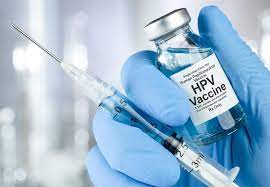
NEW DELHI – In a historic move to dismantle the burden of cervical cancer, Prime Minister Narendra Modi launched India’s first nationwide Human Papillomavirus (HPV) vaccination campaign on February 28, 2026. Targeting over 1.2 crore 14-year-old girls, the initiative aims to provide free, life-saving protection through government health facilities and Ayushman Arogya Mandirs. However, as the rollout gains momentum from its starting point in Ajmer, Rajasthan, a coalition of public health advocates and medical experts is demanding a “trust-but-verify” approach. They are calling for stringent, independent oversight to ensure ethical standards are met and to prevent a recurrence of the controversies that stalled similar efforts over a decade ago.
The stakes are immense. Cervical cancer claims approximately 80,000 lives in India annually, disproportionately affecting women in rural and low-income communities. While the medical community largely hails the vaccine as a “beginning of the end” for the disease, the Jan Swasthya Abhiyan (JSA)—a prominent health rights network—warns that the program’s success hinges on transparency, informed consent, and a robust system for monitoring adverse events.
The Science of Prevention: A Single Dose for National Impact
The Ministry of Health and Family Welfare’s initiative aligns with the World Health Organization’s (WHO) global strategy to eliminate cervical cancer. The drive utilizes the Gardasil-4 quadrivalent vaccine, which targets HPV types 16 and 18—responsible for more than 70% of cervical cancers—as well as types 6 and 11, which cause genital warts.
In a shift toward practical large-scale implementation, India has adopted a single-dose regimen. This strategy, endorsed by the WHO’s Strategic Advisory Group of Experts (SAGE), has shown 92% to 100% efficacy against persistent HPV infections in multiple global studies.
“The vaccine is safe, proven, and critical for girls before their sexual debut,” says Dr. Pragya Shukla of the Delhi State Cancer Institute. By early March 2026, the U-WIN platform—India’s digital backbone for immunization tracking—reported that thousands of girls had already received their shots in initial sessions across Rajasthan and other early-adopter states.
Shadows of the Past: Why Oversight Matters
The demand for independent monitoring is rooted in a 2009 demonstration project in Andhra Pradesh and Gujarat. That project was marred by allegations of ethical lapses, where a parliamentary committee later flagged issues regarding “informed consent.” In some instances, hostel wardens reportedly signed consent forms on behalf of parents. While subsequent investigations by the Indian Council of Medical Research (ICMR) found no causal link between the vaccine and seven deaths reported at the time, the incident left a lasting mark on public perception.
“Vaccination should not be projected as a standalone solution,” emphasizes Dr. Abhay Shukla, a coordinator for the Jan Swasthya Abhiyan. The JSA is urging the government to include civil society groups and frontline workers in monitoring committees to oversee the consent process and ensure participation remains strictly voluntary.
The JSA’s policy note highlights three pillars for a successful rollout:
-
Linguistic Accessibility: Consent forms must be available in local languages and explained verbally to parents.
-
AEFI Surveillance: Real-time tracking of Adverse Events Following Immunization (AEFI) at the state and national levels.
-
Equity in Access: Ensuring that the most marginalized rural populations are not left behind due to digital or logistical barriers.
A Two-Pronged Attack: Vaccination vs. Screening
While the vaccine offers a powerful defense, oncologists warn against “prevention myopia.” Currently, India accounts for 25% of global cervical cancer deaths, largely because the disease is often detected in its advanced stages. Screening coverage for women aged 30–49 remains below 30% nationwide.
“Cervical cancer cases are increasing rapidly,” notes Dr. Abhishek Shankar, Associate Professor of Radiation Oncology at AIIMS Delhi. “Vaccination and screening are complementary rather than substitutes.”
Medical experts advocate for an integrated strategy where the vaccine prevents future infections in the youth, while scaled-up screening—using Visual Inspection with Acetic acid (VIA) or HPV DNA testing—identifies pre-cancerous lesions in the current adult population. Without strengthening the screening infrastructure alongside the vaccination drive, the decline in mortality rates could take decades to manifest.
Global Evidence and Safety Profile
Despite the calls for caution, the safety data for Gardasil-4 is extensive. Global surveillance, including large-scale studies from Sweden and the UK, shows that the vaccine has reduced the incidence of cervical cancer and genital warts by over 80% in vaccinated cohorts.
Common side effects are generally mild, including injection-site pain or a low-grade fever. Serious adverse events are exceedingly rare, occurring in approximately 1.9 to 3.4 per 100,000 doses.
“The scientific backing is ironclad,” says an AIIMS oncologist involved in the National Technical Advisory Group on Immunization (NTAGI). “The real challenge in India isn’t the vaccine’s efficacy; it’s the logistics of reaching 12 million girls every year while maintaining the public’s trust.”
The Road Ahead: Balancing Ambition with Ethics
The 2026 HPV vaccination drive represents a pivotal moment for Indian public health. If successful, it could provide “herd immunity” benefits, protecting even those who remain unvaccinated by reducing the overall prevalence of the virus in the community.
However, the “ten questions” framework proposed by the JSA serves as a reminder that public health is as much about ethics as it is about medicine. As the three-month intensive phase of the campaign continues, the focus remains on whether the government will embrace the call for independent watchdogs.
For parents and healthcare providers, the message is clear: the vaccine is a potent tool for cancer prevention, but its rollout requires a transparent system that respects patient rights and prioritizes long-term safety monitoring.
Medical Disclaimer: This article is for informational purposes only and should not be considered medical advice. Always consult with qualified healthcare professionals before making any health-related decisions or changes to your treatment plan. The information presented here is based on current research and expert opinions, which may evolve as new evidence emerges.
References
- https://health.economictimes.indiatimes.com/news/industry/public-health-experts-want-independent-monitoring-of-hpv-vaccination-drive/130183111?utm_source=latest_news&utm_medium=homepage