 0
0
 0
0
Kolkata, West Bengal — June 13, 2026
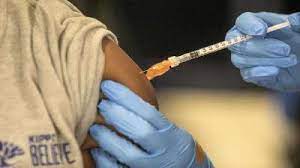
The World Health Organization (WHO) has officially launched a global public consultation to overhaul its vaccine prequalification framework, marking the first major update to these vital safety standards since 2013. Announced on June 12, 2026, the global health agency is inviting regulatory authorities, vaccine manufacturers, and public health experts to submit formal feedback on the revised roadmap by July 10, 2026. This comprehensive rewrite aims to modernize how the international community verifies the safety, efficacy, and manufacturing consistency of life-saving immunizations distributed to billions of people worldwide.
A Decadal Shift in Global Immunization Needs
The modernization effort replaces guidelines published over a decade ago in the WHO Technical Report Series No. 978. Since that 2013 publication, the global health landscape has changed dramatically. The rise of sophisticated regulatory collaborations, massive shifts in manufacturing capabilities within emerging economies, and the harsh lessons of recent pandemic outbreaks have highlighted the need for a more agile quality assurance framework.
The prequalification program, originally established by the WHO in 1987, serves as the operational backbone for global vaccine distribution. It acts as a trusted verification clearinghouse for United Nations agencies, such as UNICEF and the Pan American Health Organization (PAHO), which procure vaccines in bulk for national immunization programs in low- and middle-income countries (LMICs). Without a WHO stamp of approval, these agencies cannot purchase or distribute a vaccine.
Inside the Gatekeeping Process: What is Prequalification?
For the general public, vaccine approval is often thought of as something handled entirely by local agencies like the U.S. FDA or the European Medicines Agency. However, for a significant portion of the global population, the WHO prequalification process is the ultimate guarantor of safety.
The evaluation framework goes far beyond basic laboratory data, checking how a vaccine performs under real-world conditions:
-
Thermostability and Potency: Ensuring that a vaccine remains highly effective even when exposed to fluctuating temperatures, which is critical in regions lacking reliable refrigeration (the “cold chain”).
-
Presentation and Labeling: Verifying that clear instructions, visual indicators, and packaging minimize the risk of administration errors by overextended healthcare workers.
-
Shipping Conditions: Guaranteeing that fragile biological products can survive grueling transport routes to resource-limited or remote settings.
Once a vaccine successfully achieves prequalification status, the oversight does not end. The WHO enforces ongoing compliance through periodic re-evaluations, unannounced manufacturing site inspections, random batch testing, and aggressive tracking of adverse events following immunization (AEFI).
Expert Perspectives on Billions Saved and Lives Protected
Public health leadership emphasizes that this procedural update is fundamental to maintaining trust in global medicine. Dr. Emer Cooke, the WHO Director of the Department of Regulation and Prequalification, has frequently highlighted that the entire global network relies heavily on collaboration. National regulatory agencies (NRAs) and national control laboratories (NCLs) are crucial pieces of this ecosystem, providing the essential ground-level oversight, batch release testing, and enforcement that keep prequalified vaccines secure.
The economic and human impact of this program is staggering. According to an external impact assessment conducted by independent research group Rethink Priorities, the prequalification pipeline has enabled approximately $3.5 billion in international donor funds to be directed exclusively toward verified safe therapeutics, diagnostics, and vaccines.
The assessment revealed that this quality assurance safety net helps reach an estimated 400 million additional patients every single year. Furthermore, by standardizing requirements and allowing manufacturers from diverse regions to compete on a level playing field, the program boasts an extraordinary cost-benefit ratio—saving $30 to $40 for every single dollar invested in the WHO program.
By the Numbers: The Scale of Global Impact
The operational volume of the prequalification program illustrates its massive footprint in international healthcare. Over its 39-year history, the initiative has built a robust catalog of certified products.
Table 1: Key Achievements and Metrics of WHO Prequalification
| Metric | Program Figure | Data Source |
| Active Prequalified Vaccines Database | 275+ unique vaccines | WHO Extranet Database |
| Vaccines Prequalified (Past 12 Months) | 6 vaccines | Official WHO Review (May 2026) |
| Medicines Prequalified (Past 12 Months) | 50 medicines | Official WHO Review (May 2026) |
| Manufacturing Site Inspections Conducted | 198 sites globally | WHO Regulatory Report (2026) |
| Donor-Funded Market Enabled | $3.5 Billion | Launch and Scale Faster Initiative |
| Return on Investment Ratio | 30-40:1 | Rethink Priorities Assessment |
The programmatic needs of member states guide which vaccines get reviewed first. For the 2024–2026 cycle, the WHO has prioritized expanding and securing the supply chains for routine immunizations against devastating diseases including diphtheria, tetanus, pertussis (whooping cough), hepatitis B, pneumococcal disease, rotavirus, measles, and rubella.
A recent triumph for the system occurred in September 2024, when the WHO successfully prequalified the MVA-BN vaccine, the first-ever prequalified shot against mpox. This rapid validation unlocked immediate UN procurement, allowing international agencies to deploy doses to vulnerable communities navigating dangerous outbreaks across Africa.
Driving Equity and Addressing Systemic Limitations
Historically, a devastating “vaccine gap” meant that communities in developing nations had to wait years, sometimes decades, to access the same advanced immunizations available in wealthy nations. The WHO prequalification process has significantly narrowed this inequity by providing a standardized roadmap for manufacturers in developing regions to elevate their facilities to international standards. This streamlined access plays a major role in the Immunization Agenda 2030 (IA2030), a global strategy aiming to avert more than 50 million deaths by the end of the decade.
Despite these clear historical successes, the program faces systemic headwinds that the 2026 revised procedure must address:
-
Resource and Capacity Constraints: Due to strict funding limits, vaccines categorized as “no priority” by the WHO cannot be reviewed. Manufacturers of niche or localized health solutions must wait until the agency has the resources to look at them.
-
Rising Costs for Manufacturers: Effective January 1, 2026, the WHO Prequalification Programme introduced a mandatory 10% annual fee increase on all applications—the first price adjustment since 2017. Crucially, the long-standing fee waiver system for certain manufacturers has been discontinued, raising concerns about potential barriers to entry for smaller biotech firms in developing countries.
-
Regulatory Dependencies: The system is only as strong as its weakest link. The WHO cannot evaluate a vaccine effectively if the country where it is manufactured lacks a mature, fully functional national regulatory authority to supervise everyday production.
What This Means for Communities and Clinicians
For the everyday consumer, the prequalification process offers peace of mind. When traveling abroad or reading about global health initiatives, individuals can rest assured that vaccines verified under this system have faced the exact same scientific scrutiny as those approved by Western domestic regulators.
For healthcare providers, especially those working in international medicine or humanitarian aid, the updated guidelines mean a more resilient, predictable, and varied supply of immunizations. It ensures that the tools they rely on to protect patients are continuously modernized to counter evolving pathogens and changing environmental conditions.
The public consultation process will close on July 10, 2026. Following the synthesis of the feedback by the WHO technical teams, the final text will move to the WHO Expert Committee on Biological Standardization for formal endorsement, setting a new benchmark for global vaccine safety for the decade to come.
Medical Disclaimer
Medical Disclaimer: This article is for informational purposes only and should not be considered medical advice. Always consult with qualified healthcare professionals before making any health-related decisions or changes to your treatment plan. The information presented here is based on current research and expert opinions, which may evolve as new evidence emerges.
References
Document and Study Citations
-
World Health Organization. (June 12, 2026). Call for public consultation – WHO’s Procedure for prequalification of vaccines. WHO News. [https://www.who.int/news/item/12-06-2026-call-public-consultation-who-procedure-prequalification-vaccines]