 0
0
 0
0
Read Time:6 Minute, 36 Second
GENEVA / KINSHASA — The Democratic Republic of the Congo (DRC) has reached a sobering threshold in its latest health crisis, recording over 4,000 confirmed cases of Ebola disease in what health officials now identify as the largest outbreak of its kind in the nation’s history. According to updated data released by the DRC’s National Institute for Biomedical Research (INRB) on August 7, 2026, the country has logged 4,053 confirmed cases and 1,850 deaths since the epidemic was first declared in May. International health organizations, led by the World Health Organization (WHO), are working alongside national health authorities to curb the spread across five eastern provinces, facing severe logistical obstacles created by ongoing regional conflict.
The rapid trajectory of this epidemic presents an extraordinary public health challenge. The WHO reported that as of July 30, the virus had breached 49 health zones across Ituri, North Kivu, South Kivu, Haut-Uélé, and Tshopo provinces. While Ituri remains the primary epicentre—accounting for approximately 88% of confirmed cases and 82.6% of deaths—the geographical expansion underscores the difficulty of containment in a region marked by population displacement and unstable infrastructure.
Conflict and Logistics Interfere with Field Response
Containing viral hemorrhagic fevers requires fastidious contact tracing, rapid diagnostic testing, and safe patient isolation. However, humanitarian response teams in eastern DRC are operating under extreme conditions. The presence of active armed groups and widespread community displacement frequently hinders public health staff from conducting home visits or maintaining daily monitoring routines.
According to WHO situation reports, field teams had identified 17,863 potential contacts by late July. Yet, active daily follow-up rates hovered around 75.5% in Ituri and 74.6% in North Kivu. Because Ebola viruses carry an incubation period ranging from 2 to 21 days, incomplete contact monitoring leaves open windows for unrecognized community transmission.
Healthcare workers have paid a heavy toll on the frontlines. The WHO has documented 151 confirmed infections among medical staff, resulting in 44 fatalities. High infection rates among healthcare professionals often stem from inadequate personal protective equipment (PPE), insufficient triage space in overwhelmed clinics, or delayed recognition of initial symptoms.
Why the Bundibugyo Strain Complicates Countermeasures
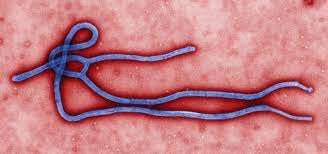
Unlike the majority of high-profile Ebola crises over the past decade, which were driven by the Zaire ebolavirus species, this outbreak is caused by the Bundibugyo virus (Bundibugyo ebolavirus). While both species belong to the genus Orthoebolavirus and manifest with similar clinical signs, they are genetically distinct—a factor that severely limits the current medical response toolkit.
There are currently no licensed vaccines or targeted antiviral therapeutics approved specifically for Bundibugyo virus disease. Medical interventions like the Ervebo vaccine or monoclonal antibody therapies (such as mAb114 and REGN-EB3), which proved transformational during recent Zaire strain outbreaks, do not offer confirmed cross-protection against Bundibugyo.
Consequently, patient management relies almost entirely on optimized supportive care. This clinical approach includes:
-
Fluid Management: Rapid intravenous or oral rehydration to balance fluid loss from severe gastrointestinal symptoms.
-
Electrolyte Correction: Careful monitoring and replacement of key salts to prevent cardiac and neurological complications.
-
Symptom Relief: Targeted administration of analgesics, antipyretics, and antiemetics.
-
Co-infection Control: Prompt screening and treatment for endemic diseases such as malaria.
When delivered early in the disease course, supportive care significantly increases survival odds, lowering mortality from historic highs.
       [ Exposure ]
            │
            ▼
┌──────────────────────┐
│  Incubation Period   │  (2 to 21 Days - Non-Infectious)
└───────────┬──────────┘
            │
            ▼
┌──────────────────────┐
│  Early Symptoms      │  (Fever, Severe Fatigue, Muscle Pain, Headache)
└───────────┬──────────┘
            │
            ▼
┌──────────────────────┐
│  Advanced Disease    │  (Vomiting, Diarrhea, Rash, Organ Impairment)
└──────────────────────┘
Candidate Therapies and Clinical Trials
In response to the emergency, global scientific bodies are moving experimental candidates into clinical evaluation. Dr. Vasee Moorthy, acting lead of the WHO’s R&D Blueprint, emphasized both the urgency and the necessity of rigorous research during a Geneva press briefing.
“Despite ongoing efforts, there are still no proven safe and efficacious treatment, preventive, or vaccination options for the Bundibugyo species,” Dr. Moorthy noted, emphasizing that experimental interventions must be evaluated within structured ethical clinical trials.
An expert panel convened by the WHO recommended evaluating several promising candidates, including:
-
Monoclonal Antibodies: Formulations such as MBP134 and maftivimab, aimed at neutralizing viral entry into host cells.
-
Antiviral Medications: Broad-spectrum agents such as intravenous remdesivir and the investigational oral candidate obeldesivir, the latter considered for potential post-exposure prophylaxis.
-
Vaccine Candidates: Early-phase testing of a single-dose recombinant vesicular stomatitis virus (rVSV) vector tailored to the Bundibugyo glycoprotein.
Public health agencies reiterate that these candidate tools are experimental. Utilizing unlicensed products outside strict research protocols risks gathering inconclusive safety data and can foster false security among recipient communities.
Transmission Pathways and Clinical Presentation
Understanding how the Bundibugyo virus spreads is vital for managing public risk and dispelling misconceptions.
| Attribute | Clinical & Epidemiological Profile |
| Primary Source | Zoonotic spillover from wildlife reservoirs (e.g., fruit bats) via direct handling or consumption. |
| Human Spread | Direct contact with blood, secretions, or bodily fluids (vomit, stool, urine, saliva) of symptomatic individuals. |
| Fomite Risk | Contact with surfaces, clothing, or bedding contaminated with infectious body fluids. |
| Burial Risks | High risk during traditional mourning practices involving direct handling of the deceased. |
| Contagion Window | Individuals are not infectious during the incubation period prior to symptom onset. |
Initial symptoms often mimic common regional endemic illnesses, including malaria, typhoid fever, and dengue. Patient presentation begins with sudden fever, intense fatigue, joint aches, and sore throat. As viral replication accelerates, patients may experience severe gastrointestinal distress, skin rash, hepatic and renal impairment, and, in some instances, internal and external bleeding. Confirmation relies on quantitative Polymerase Chain Reaction (qPCR) testing at regional laboratories.
Global Risk Assessment and Public Health Guidance
The WHO declared the outbreak a Public Health Emergency of International Concern (PHEIC) in May to mobilize resources, highlight cross-border exposure risks, and accelerate medical countermeasure development. Neighboring Uganda recorded 20 cases and two deaths earlier in the outbreak but successfully declared its local spread over on July 28 after completing 42 days of active surveillance without a new case.
Despite high regional concern, official risk assessments emphasize low global danger:
-
Within DRC: Risk is assessed as Very High due to insecurity, logistical hurdles, and multi-province spread.
-
Regional Neighbors: Risk is rated High due to cross-border movement, trade routes, and shared health zones.
-
Global Context: Risk is rated Low by the WHO and Very Low by the European Centre for Disease Prevention and Control (ECDC).
Epidemiologists emphasize that Ebola viruses do not spread via airborne droplets during ordinary casual encounters. General travel bans or community avoidance measures directed at people originating from Central Africa are scientifically unfounded and impede public health trust.
For individuals returning from affected provinces in the DRC who develop fever, sudden weakness, or gastrointestinal symptoms within 21 days of travel, standard protocols advise immediate self-isolation, contacting local healthcare providers via telephone before visiting facilities, and providing detailed travel histories to medical personnel.
Data Considerations and the Path Forward
Public health agencies note that fluctuating case figures reflect both genuine disease transmission and evolving operational capacity. As diagnostic laboratories expand into remote districts, previously unrecorded cases are integrated into national registries. Furthermore, epidemiological experts at Imperial College London note that because Bundibugyo virus has historically caused fewer documented outbreaks than the Zaire strain, its clinical progression and field transmission dynamics remain under active study.
Ending the outbreak relies on core public health infrastructure: establishing swift field diagnostics, fostering trust with local leaders, protecting healthcare workers, ensuring safe and dignified burial practices, and maintaining reliable funding lines to support emergency interventions on the ground.
References
-
Reuters. “Congo’s Ebola outbreak surpasses 4,000 cases.” Reuters Health News, August 7, 2026.
Medical Disclaimer: This article is for informational purposes only and should not be considered medical advice. Always consult with qualified healthcare professionals before making any health-related decisions or changes to your treatment plan. The information presented here is based on current research and expert opinions, which may evolve as new evidence emerges.


Happy
0 %

Sad
0 %

Excited
0 %

Sleepy
0 %

Angry
0 %

Surprise
0 %