 0
0
 0
0
Read Time:6 Minute, 45 Second
WASHINGTON — Federal health authorities are racing to contain a rapidly expanding multistate outbreak of Salmonella Javiana infections linked to fresh imported jalapeño peppers. As of early August 2026, the disease outbreak has sickened at least 345 people across 27 U.S. states and sent 36 individuals to the hospital, according to a joint investigation by the Centers for Disease Control and Prevention (CDC) and the Food and Drug Administration (FDA).
Epidemiologic traceback efforts have identified fresh jalapeño peppers grown in Sinaloa, Mexico, and distributed throughout the United States by Coast Citrus Distributors as the primary source of the contamination. Federal and state health agencies are currently working alongside supply chain partners to isolate affected shipments, though experts urge consumers and food service operators to remain vigilant.
Scope and Geographic Distribution of the Outbreak
The outbreak exhibits a wide geographic footprint, spanning regions across the Midwest, South, and West Coast. Outbreak surveillance data indicates that Colorado and Minnesota bear the heaviest burden, each reporting 110 confirmed cases. Together, these two states account for nearly two-thirds of all documented infections nationwide. Notable case counts have also emerged in California, Texas, Illinois, and Washington.
Outbreak Snapshot: Key Data Points
--------------------------------------------------
Total Confirmed Cases  : 345 across 27 states
Hospitalization Rate   : ~12% (36 of 291 reported)
Highest-Burden States  : Colorado (110), Minnesota (110)
Illness Onset Window   : June 19, 2026 – July 20, 2026
Patient Age Span       : Infants to 85 years (Median: 30)
Fatalities             : 0 reported
--------------------------------------------------
Epidemiologists note that patient illness onset dates range from June 19 to July 20, 2026. While the age of affected individuals spans from infants to an 85-year-old senior, the median patient age stands at 30 years. Among 291 cases with complete demographic and clinical data, 36 people (approximately 12%) required inpatient hospital care. No fatalities have been recorded to date.
Restaurant Connection and Supply Chain Traceback
A key breakthrough in the investigation came from patient exposure interviews. Out of 191 infected individuals detailed in initial health department surveys, 177 (93%) reported eating at Mexican-style restaurants prior to falling ill, with dining dates clustered between June 14 and July 14, 2026.
Traceback interviews led investigators directly to major restaurant chains, including Chipotle Mexican Grill and QDOBA, both of which had received fresh jalapeño shipments originating from Coast Citrus Distributors.
“Determining the precise exposure vector in produce-related outbreaks is complex because peppers are frequently chopped, mixed into salsas, or used as garnishes across dozens of menu items,” noted one independent public health official familiar with foodborne illness tracebacks.
Both chains took immediate precautionary measures once notified:
-
Chipotle Mexican Grill transitioned to alternative, non-implicated jalapeño suppliers for all its locations starting July 20.
-
QDOBA proactively suspended the use of fresh jalapeños across its supply chain on July 28 and removed them from menus.
Because of these swift operational adjustments, the FDA confirmed that it does not currently consider these specific dining establishments to pose an ongoing exposure risk to consumers.
Recalls and Federal Regulatory Action
Following the supply chain traceback, the FDA formally advised Coast Citrus Distributors to initiate a voluntary recall of fresh jalapeños linked to the Sinaloa farm. The distributor agreed to halt further distribution, initiate a product recall, and directly notify affected wholesale and retail buyers.
Furthermore, the distributor has ceased importing produce from the specific Sinaloa grower identified in the epidemiological trace.
The CDC and FDA have issued critical guidance for distributors, food service workers, and grocery retailers that handled the affected peppers:
-
Inventory Audit: Check walk-in coolers and storage for fresh jalapeños supplied by Coast Citrus Distributors and immediately isolate them.
-
Proper Disposal: Do not serve, cook, or sell implicated produce.
-
Strict Sanitation: Thoroughly wash, clean, and sanitize any surface, cutting board, container, or utensil that may have come into contact with the recalled peppers to avoid cross-contamination.
Understanding Salmonella Javiana: Pathophysiology and Clinical Care
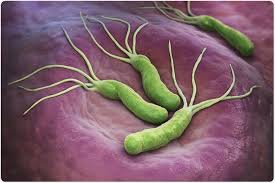
Salmonella Javiana represents one of more than 2,500 identified serotypes of Salmonella enterica bacteria. While common, Salmonella remains a leading cause of bacterial gastroenteritis in North America, responsible for an estimated 1.35 million domestic infections annually.
       Pathogen Exposure
              │
              ▼
   Incubation Period (6 Hours – 6 Days)
              │
              ▼
    Acute Gastrointestinal Symptoms
  (Diarrhea, Fever, Abdominal Cramps)
              │
      ┌───────┴───────┐
      ▼               ▼
Mild / Uncomplicated    Severe Infection / Dehydration
 (Duration: 4–7 days)        (Requires Hospitalization)
  • Supportive Care            • IV Fluid Resuscitation
  • Oral Hydration            • Targeted Antibiotic Therapy
When ingested via contaminated food or water, the bacteria colonize the small and large intestines, triggering an inflammatory response.
Common Symptoms and Clinical Timeline
-
Incubation Period: Symptoms typically manifest between 6 hours and 6 days after consuming contaminated food.
-
Primary Manifestations: Diarrhea (sometimes bloody), fever, abdominal cramps, and nausea.
-
Duration: Most uncomplicated cases resolve within 4 to 7 days without clinical intervention.
In medical commentary regarding the outbreak, Dr. Alok Patel, a pediatrician at Stanford Children’s Health, stressed that parents and caregivers must carefully monitor vulnerable populations. Young children, elderly individuals, and immunocompromised patients face a significantly higher risk of severe dehydration or systemic bacteremia (where the bacteria enter the bloodstream).
“While healthy adults often clear the infection with simple supportive care like oral rehydration, vulnerable patients can deteriorate quickly,” explained Dr. Patel. “Persistent high fever, severe stomach cramping, or signs of dehydration require prompt evaluation by a healthcare provider.”
Public Health Implications and Consumer Defense
Produce-associated outbreaks pose distinct public health challenges compared to processed foods. Because fresh vegetables like jalapeños are frequently consumed raw, pathogens on the exterior skin can easily migrate to the flesh during slicing or prep work.
Recommended Safety Protocols for Consumers
While washing fruits and vegetables under cold running water removes surface dirt and some surface microbes, the FDA cautions that washing alone cannot guarantee the complete removal of Salmonella, especially if the bacterial contamination occurred during growth or field irrigation.
To minimize risk at home:
-
Avoid Cross-Contamination: Keep raw produce segregated from raw meats, and use separate cutting boards.
-
Sanitize Kitchen Tools: Wash knives, prep counters, and bowls with hot, soapy water immediately after preparing fresh vegetables.
-
Practice Hand Hygiene: Scrub hands with soap and warm water for at least 20 seconds before and after food preparation.
-
Seek Care Early: If you develop severe diarrheal illness after consuming fresh peppers or dining at food service venues, consult a physician promptly.
Investigation Limitations and Real Case Estimates
Public health authorities emphasize that reported case figures represent only a fraction of the actual epidemiological footprint.
Because many individuals suffering from mild gastroenteritis recover at home without visiting a clinic or submitting stool samples for laboratory surveillance, the CDC estimates that for every culture-confirmed case of Salmonella reported, approximately 29 other unconfirmed cases occur in the community. Consequently, the true number of individuals impacted by this jalapeño-linked outbreak is likely significantly higher than the 345 officially registered cases.
Broader Context: Concurrent Foodborne Outbreaks in 2026
The jalapeño investigation arrives amidst a particularly active summer for federal food safety surveillance. Regulatory bodies are currently managing multiple major multistate foodborne illness events simultaneously:
-
Egg Recall (Salmonella): A concurrent Salmonella outbreak traced to Texas-based Midwest Poultry Services has sickened at least 98 people across 17 states, triggering a national recall of more than 1.5 million dozen eggs.
-
Iceberg Lettuce Outbreak (Cyclospora): A widespread multistate outbreak of Cyclospora cayetanensis linked to contaminated iceberg lettuce has led to product recalls and nearly 100 hospitalizations due to severe intestinal illness.
These simultaneous outbreaks illustrate the intricate vulnerability of modern, globalized supply chains. As CDC and FDA investigators continue testing produce shipments at international borders and tracking genetic patterns through Whole Genome Sequencing (WGS), public health officials advocate for stricter agricultural water standards and enhanced supply-chain transparency from farm to table.
Medical Disclaimer: This article is for informational purposes only and should not be considered medical advice. Always consult with qualified healthcare professionals before making any health-related decisions or changes to your treatment plan. The information presented here is based on current research and expert opinions, which may evolve as new evidence emerges.
References
Outbreak Reports & Government Guidance
- https://www.reuters.com/business/healthcare-pharmaceuticals/what-know-about-multistate-salmonella-outbreak-us-2026-08-07/


Happy
0 %

Sad
0 %

Excited
0 %

Sleepy
0 %

Angry
0 %

Surprise
0 %