 0
0
 0
0
WASHINGTON, DC — In a major development for global public health, the World Health Organization’s (WHO) digital self-help app, “Step-by-Step,” has been officially recognized as a breakthrough innovation for mental health delivery in humanitarian settings. The announcement follows the release of robust clinical trial data showing the tool slashed depressive symptoms by more than half for nearly 50% of users living in crisis-affected areas.
Presented at the World Bank Group’s 2026 Fragility Forum, the open-access application was selected from over 50 global innovations reviewed by the World Bank. Developed alongside the Pan American Health Organization (PAHO) and Lebanon’s National Mental Health Programme, the intervention addresses a staggering gap in global healthcare: an estimated 67 million individuals currently live with mental health conditions in conflict, disaster, or displacement zones, yet the vast majority remain entirely cut off from evidence-based care.
Key Findings: A Scalable Solution to a Growing Crisis
The global recognition of the Step-by-Step programme rests on rigorous scientific evidence. Data from two randomized controlled trials conducted in Lebanon—which currently hosts roughly 840,900 displaced Syrians—evaluated the app’s performance among 1,249 heavily impacted individuals.
The results, published across peer-reviewed platforms including PLoS Medicine, revealed stark improvements:
-
Symptom Reduction: Nearly half (46%) of Lebanese nationals and more than one-third (37%) of Syrian refugees using the app reported a reduction in depressive symptoms of more than 50% by the end of the program. In comparison, only 14% of the control group experienced similar relief.
-
Broad Psychological Benefits: Participants demonstrated statistically significant drops in anxiety, stress, and post-traumatic stress symptoms, alongside marked improvements in subjective well-being and daily functioning.
-
Sustained Recovery: All primary health improvements were maintained at a three-month follow-up assessment, proving the skills learned had lasting value.
Inside the App: How “Step-by-Step” Works
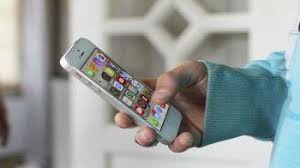
The app operates on a “stepped-care” model, combining independent digital learning with minimal human support to maximize scalability without exhausting sparse medical networks.
[Module 1: Behavioral Activation] ➔ [Module 2: Stress Management] ➔ [Module 3: Positive Self-Talk] ➔ [Module 4: Social Support] ➔ [Module 5: Relapse Prevention]
The app divides its five core modules into illustrated, picture-based stories paired with clear audio narration, making it accessible to populations with varying literacy levels. Users spend roughly 20 minutes completing a story segment. To prevent information overload and encourage real-world implementation, consecutive sessions remain locked until four days after the previous module is completed.
Crucially, the digital curriculum is reinforced by “light guidance.” A trained, non-specialist helper—such as a local community health worker—makes weekly 15-minute check-ins via phone or text to offer encouragement, keep the user accountable, and clarify the program’s core behavioral concepts.
Expert Perspectives on the Treatment Gap
Independent health policy analysts emphasize that the true innovation lies in the economics of the delivery system. Low-income nations spend an average of just $0.04 per person on mental health care annually. Consequently, less than 10% of individuals with mental health disorders in these regions ever receive care.
Dr. Edith Van’t Hof, from the WHO Department of Mental Health and Substance Use, highlighted the tool’s broader public health potential:
“Given the effect observed in the study on depression, functional impairment, anxiety, post-traumatic stress, subjective well-being, and self-identified problems, the trial results suggest that the intervention can be part of an effective strategy to improve mental health among other displaced populations with digital access.”
Public health experts not involved in the original trial note that by shifting care delivery from scarce, highly specialized psychiatrists to trained community helpers, the model bypasses the systemic bottleneck that stalls traditional clinical interventions in low-resource environments.
Study Limitations and Implementation Roadblocks
Despite the historic data, international researchers urge caution regarding the app’s structural limitations. While the primary trials showed robust efficacy, early pilot studies faced high participant dropout rates, highlighting the difficulty of maintaining engagement via digital interfaces during ongoing physical crises.
Furthermore, the intervention relies fundamentally on digital access. In the most severe, deeply isolated humanitarian settings—where power grids are destroyed and internet connectivity is nonexistent—the tool cannot be deployed. Experts also emphasize that digital self-help is designed specifically for mild-to-moderate depression and anxiety; it is not a substitute for the specialized psychiatric care required by individuals living with severe psychosis or complex trauma.
A Blueprinted Future for Public Health
The success of the Step-by-Step initiative has already triggered systemic policy shifts. The tool has been integrated nationwide into the public health infrastructure of both Lebanon and Thailand. Furthermore, the WHO has published a comprehensive operational blueprint, Psychological self-help interventions: delivering self-help for individuals, enabling any government or non-governmental organization (NGO) to freely download, translate, and adapt the software.
For global health authorities, the deployment of this tool marks a crucial step forward. In 2019, fewer than 30% of countries maintained structural emergency preparedness plans for mental health and psychosocial support. Today, that figure has risen to nearly 50%. The mainstreaming of validated, open-access digital therapeutics provides health systems worldwide with an affordable, evidence-backed tool to treat vulnerable populations at an unprecedented scale.
Medical Disclaimer
Medical Disclaimer: This article is for informational purposes only and should not be considered medical advice. Always consult with qualified healthcare professionals before making any health-related decisions or changes to your treatment plan. The information presented here is based on current research and expert opinions, which may evolve as new evidence emerges.
References
-
World Health Organization. (2026). Psychological self-help interventions: delivering self-help for individuals, featuring Step-by-Step and Doing What Matters in Times of Stress. WHO Guidelines Board.