 0
0
 0
0
NEW DELHI — In a proactive bid to head off seasonal outbreaks of vector-borne diseases, Union Minister of Health and Family Welfare Shri Jagat Prakash Nadda chaired a high-level review meeting in the national capital today. The emergency briefing, held on July 1, 2026, brought together top federal and state officials, civic leaders, and heads of major medical institutions to evaluate Delhi’s epidemiological readiness, clinical protocols, and vector control strategies ahead of the monsoon-driven peak transmission months.
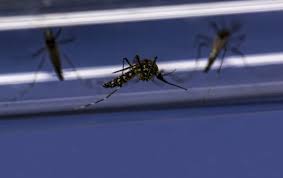
With the arrival of July—designated nationally as “Anti-Dengue Month”—health authorities are pivoting from routine monitoring to aggressive containment. While current data indicates that dengue incidence across the National Capital Territory (NCT) remains low, historical trends show that cases typically surge between August and November, driven by stagnant rainwater accumulation that provides prime breeding grounds for the Aedes aegypti mosquito.
The “Octalogue” Framework and Current Numbers
During the briefing, health ministry officials presented a national and regional overview of the disease landscape. Minister Nadda noted that India’s current dengue case fatality rate (CFR) stands at a remarkably low 0.11%. However, officials warned against complacency, noting that shifting weather patterns and early monsoon showers could rapidly accelerate mosquito breeding cycles.
To standardize the response, the government is strictly enforcing its National Strategy for Prevention and Control of Dengue. Dubbed the “Octalogue,” this comprehensive framework structures the public health response across eight distinct pillars:
-
Surveillance: Tracking active cases and fever clusters.
-
Case Management: Standardizing hospital triage and treatment guidelines.
-
Vector Management: Eliminating mosquito breeding sites and utilizing targeted chemical larvicides.
-
Outbreak Response: Deploying Rapid Response Teams (RRTs) to localized hotspots.
-
Capacity Building: Training medical and paramedical staff on fluid management protocols.
-
Behavior Change Communication (BCC): Educating the public via media campaigns.
-
Inter-Sectoral Coordination: Aligning civic bodies, railways, and public works.
-
Monitoring & Supervision: Routine audits of field operations and data entry.
Hardening Hospital Defenses and Tracking Data
A key focus of the high-level meeting was ensuring that public and private healthcare facilities are structurally equipped to handle a sudden influx of patients. Minister Nadda directed the directors of premier institutions—including AIIMS New Delhi, Safdarjung Hospital, Ram Manohar Lohia (RML) Hospital, and Lady Hardinge Medical College—to immediately secure dedicated dengue wards, audit bed availability, and stock critical medical supplies.
“True preparedness means having the logistics sorted before the crisis hits,” Minister Nadda stated during the proceedings. “Hospitals must maintain robust reserves of blood components—particularly platelets—alongside ample diagnostics, supportive drugs, and vector-insulation measures like insecticidal bed nets.”
Beyond physical infrastructure, the ministry is mandating strict digital compliance. All medical facilities, including private clinics and corporate hospitals, are required to report suspected and confirmed cases in real-time via the Integrated Health Information Platform for Vector-Borne Diseases (IHIP-VBD). This digital tracking system allows epidemiologists to catch localized fever spikes early. To ensure these data flows translate into action, daily district-level review meetings will be conducted across Delhi’s administrative zones to track unfolding outbreaks.
“Jan Chetna through Jan Bhagidari”: A Shift to Community Action
Recognizing that government action alone cannot eliminate backyard breeding sites, the Union Health Minister introduced a public engagement directive: “Jan Chetna through Jan Bhagidari” (Public Awareness through Public Participation).
Civic bodies, led by the Municipal Corporation of Delhi (MCD) and the New Delhi Municipal Council (NDMC), have been ordered to actively enlist local leaders, Ward Commissioners, and Resident Welfare Associations (RWAs). Authorities will launch targeted educational drives inside schools, construction sites, and labor camps—locations historically vulnerable to stagnant water accumulation.
Independent public health experts stress that involving the community is vital because of the specific biology of the vector.
“The Aedes aegypti mosquito is a domestic breeder that thrives in clean, stagnant water found inside homes, flower pots, coolers, and discarded containers,” explains Dr. Anita Sharma, a senior infectious disease epidemiologist not involved in the government review. “Because these mosquitoes bite primarily during the day and have a short flight range, community-led breeding source reduction is often vastly more effective than widespread outdoor fogging.”
Public Health Implications and Practical Steps for Citizens
For health-conscious consumers and residents of the National Capital Region, the launch of Anti-Dengue Month serves as a practical call to action. Because there is no specific antiviral cure for dengue, prevention and early recognition remain the most effective tools against severe disease.
Medical experts recommend incorporating the following habits into daily routines during the monsoon season:
-
Weekly Source Reduction: Empty, scrub, and dry all water storage containers, cooler tanks, and flower vases at least once a week to disrupt the 7-to-10-day mosquito egg-to-adult life cycle.
-
Personal Protection: Wear loose-fitting, light-colored, full-sleeved clothing when outdoors. Apply insect repellents containing DEET, Picaridin, or IR3535 to exposed skin.
-
Physical Barriers: Ensure window screens are intact and utilize mosquito bed nets, especially for young children and infants who nap during daytime hours.
-
Recognize Warning Signs: Early symptoms of dengue include high fever, severe headache, pain behind the eyes, joint and muscle pain, and a patchy rash.
Balancing the Strategy: Limitations and Operational Challenges
While the comprehensive scope of the “Octalogue” was widely praised by attendees, independent health policy analysts point out that execution challenges frequently crop up during peak seasons.
A primary hurdle is inter-agency communication. Ensuring seamless coordination between disparate entities—such as the Indian Railways, the Cantonment Board, public health engineering departments, and municipal sanitation teams—requires rigorous oversight to avoid gaps in vector control along jurisdictional borders.
Furthermore, clinicians note that relying heavily on platelet counts can sometimes skew clinical judgment. While a drop in platelets is a classic hallmark of dengue, global health bodies like the World Organization (WHO) emphasize that hematocrit levels (which measure blood concentration) and fluid balance are far more critical indicators of severe dengue shock syndrome. Observers emphasize that ongoing medical training must reinforce proper fluid management over unnecessary, reactionary platelet transfusions.
The meeting concluded with a unified commitment from both federal and state leadership. Attendees included Union Minister of State Dr. Harsh Malhotra, Delhi NCT Health Minister Shri Pankaj Kumar Singh, MCD Mayor Shri Parvesh Wahi, and Union Health Secretary Smt. Punya Salila Srivastava, signaling a synchronized, multi-tiered political effort to protect the capital’s residents in the months ahead.
Reference Section
Government & Institutional Sources
-
Press Information Bureau (PIB) Delhi: Official communique, “Union Health Minister Reviews Dengue Prevention, Surveillance and Hospital Preparedness in Delhi,” Ministry of Health and Family Welfare, Government of India. Published July 1, 2026.
Medical Disclaimer: This article is for informational purposes only and should not be considered medical advice. Always consult with qualified healthcare professionals before making any health-related decisions or changes to your treatment plan. The information presented here is based on current research and expert opinions, which may evolve as new evidence emerges.