 0
0
 0
0
NEW DELHI — In a landmark case that underscores the critical importance of early intervention and global medical collaboration, a 5-month-old infant from Tanzania has undergone a successful, complex skull reconstruction at BLK-Max Super Speciality Hospital. The procedure, aimed at correcting a rare and potentially debilitating cranial deformity, highlights the evolving landscape of pediatric neurosurgery and the life-changing impact of timely diagnosis for infants born with craniosynostosis.
The infant was brought to India after parents noticed an atypical head shape and restricted growth. Following a detailed evaluation, surgeons diagnosed the child with craniosynostosis—a condition where the natural seams in a baby’s skull close prematurely. Left untreated, the condition can lead to permanent facial and cranial distortion, increased pressure on the brain, and significant developmental delays.
Understanding Craniosynostosis: When the “Puzzle” Locks Too Soon
At birth, a human skull is not a single solid bone but a series of plates connected by flexible, fibrous joints called sutures. These sutures act as expansion joints, allowing the skull to enlarge rapidly as the brain doubles in size during the first year of life.
In cases of craniosynostosis, one or more of these sutures fuse into bone too early.
“Think of the infant skull as a growing puzzle,” explains Dr. Edward Ahn, a pediatric neurosurgeon at Mayo Clinic, who was not involved in the New Delhi case but has published extensively on the condition. “If one of those seams is glued shut prematurely, the brain cannot push the skull outward in that direction. Instead, it compensates by growing toward the remaining open sutures, which results in an abnormal head shape and, in severe cases, restricted brain volume.”
According to StatPearls (NCBI), craniosynostosis occurs in approximately 1 in every 2,100 to 2,500 live births. While most cases are “non-syndromic”—meaning they occur in isolation—more complex cases can be linked to genetic syndromes that affect other parts of the body.
The Surgical Intervention: Reshaping a Future
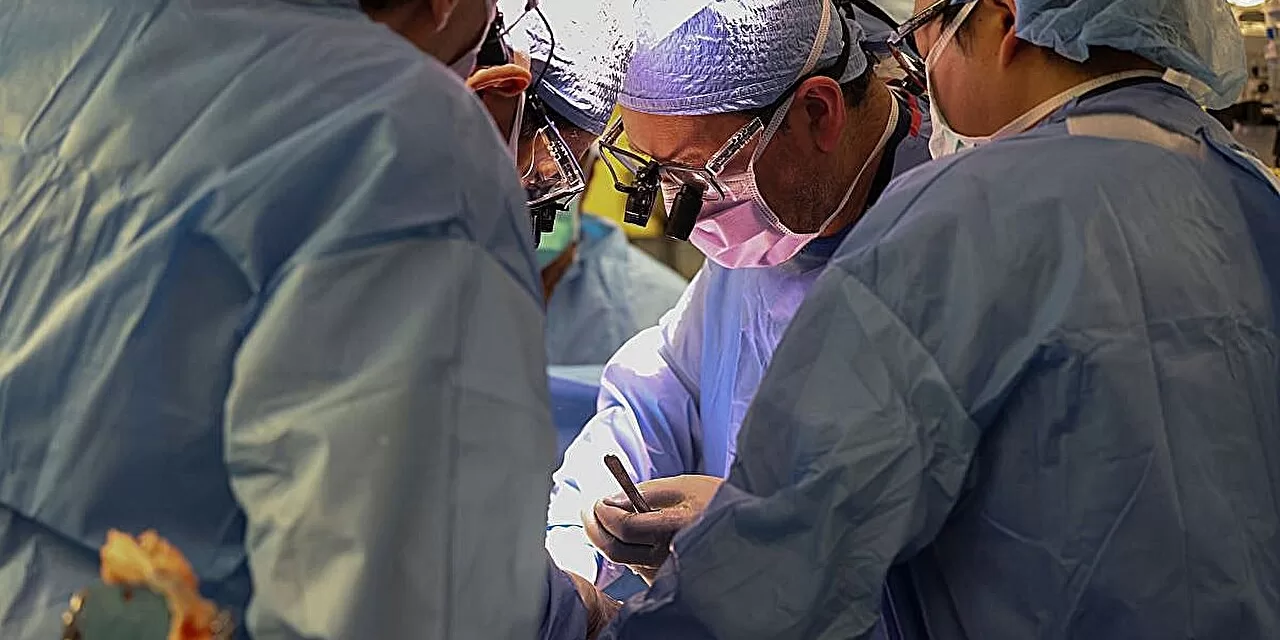
The surgical team in New Delhi performed a cranial vault reconstruction. This intensive procedure involves carefully removing the fused bone, reshaping it, and replacing it in a configuration that creates immediate space for the brain to expand.
Recent data suggests that the “gold standard” for treatment is shifting toward earlier intervention. In many high-volume centers, surgeons now prefer to operate between 3 and 9 months of age, when the bone is still Mallable enough to be reshaped effectively and the brain is in its most rapid growth phase.
Key Benefits of Modern Surgical Approaches:
-
Reduced Intracranial Pressure: Relieving the “tightness” around the brain.
-
Symmetry Restoration: Improving the aesthetic appearance of the forehead and eye sockets.
-
Neurodevelopmental Support: Providing the physical environment necessary for cognitive milestones.
While the Tanzanian infant’s recovery was reported as “rapid,” experts caution that the complexity of these surgeries requires a multidisciplinary team. According to guidelines from Weill Cornell Medicine, optimal care involves collaboration between pediatric neurosurgeons, craniofacial plastic surgeons, and specialized anesthesiologists to manage potential blood loss and post-operative monitoring.
The Critical Window: Why Early Diagnosis Matters
For parents and primary care providers, the “wait and see” approach can be risky. While a slightly misshapen head is often the result of “positional plagiocephaly” (flattening caused by sleeping positions), craniosynostosis presents distinct red flags.
“Early referral to a specialist is paramount,” notes the Cleveland Clinic. “Early diagnosis opens the door to minimally invasive options, such as endoscopic surgery, which can be performed on infants younger than 3 or 4 months. These procedures involve smaller incisions, less blood loss, and shorter hospital stays.”
For the 5-month-old Tanzanian patient, open reconstruction was necessary due to the age and the specific nature of the deformity, but the successful outcome reinforces the efficacy of these established surgical pathways.
Public Health and Long-Term Outlook
Despite the success of individual cases, the medical community maintains a grounded perspective on long-term outcomes. A 2024 study published in JAMA Network Open tracked cognitive development in children post-surgery, finding that while surgery successfully addresses physical pressure and head shape, some children may still require educational support or speech therapy later in life.
This suggests that surgery is the first step in a long-term care plan, not a “one-and-done” miracle. Ongoing monitoring by pediatricians is essential to ensure that as the child grows, the skull continues to expand at a healthy rate.
The case also brings to light the disparities in global healthcare access. Specialized craniofacial teams are often concentrated in major urban hubs. For families in low-resource settings, like the infant’s home in Tanzania, international referral networks become a vital lifeline.
Practical Takeaways for Caregivers
If you are concerned about your child’s head shape, look for the following:
-
Disappearing Soft Spot: The “fontanelle” on top of the head may feel hard or closed earlier than expected (usually by 12–18 months).
-
Prominent Ridges: A hard, raised edge along the sutures of the skull.
-
Asymmetry: One side of the forehead appearing “pushed back” or the eyes appearing uneven.
-
Slow Head Growth: The head circumference not increasing at the expected rate during wellness checks.
Medical Disclaimer
This article is for informational purposes only and should not be considered medical advice. Always consult with qualified healthcare professionals before making any health-related decisions or changes to your treatment plan. The information presented here is based on current research and expert opinions, which may evolve as new evidence emerges.
References
- https://www.devdiscourse.com/article/health/3884907-miracle-surgery-tanzanian-babys-skull-transformed