 0
0
 0
0
LONDON — In the quest to combat the rising tide of chronic liver disease, a humble staple of the fruit bowl is taking center stage. A massive new prospective study involving more than 120,000 adults suggests that a diet rich in flavonoids—compounds found abundantly in apples and tea—is associated with a significantly lower risk of developing nonalcoholic fatty liver disease (NAFLD).
The findings, published in the American Journal of Clinical Nutrition, arrive at a critical moment. NAFLD, recently renamed metabolic dysfunction-associated steatotic liver disease (MASLD), now affects approximately 25% of the global population. While the study offers a promising dietary “win,” hepatologists caution that while an apple a day provides a potent health boost, it is a single piece of a much larger metabolic puzzle.
The Findings: Mapping the Flavonoid Effect
Researchers analyzed data from 121,064 participants in the UK Biobank, aged 40 to 69, tracking their health outcomes over a median of 10 years. During this period, 1,081 cases of fatty liver disease were identified.
The results revealed a clear “dose-response” relationship between flavonoid intake and liver protection. Participants in the highest quartile of flavonoid consumption saw a 19% lower risk of developing NAFLD compared to those in the lowest quartile.
When researchers isolated specific foods, the “apple effect” was particularly striking:
-
Apple Intake: High apple consumption was associated with a 22% lower risk of NAFLD.
-
Imaging Markers: Beyond just preventing a diagnosis, higher flavonoid intake was linked to better liver imaging biomarkers, including lower liver fat content and improved liver-corrected T1 values—a metric used to identify inflammation and scarring in liver tissue.
“This study is significant because it doesn’t just look at who got sick; it looks at the physical state of the liver through advanced imaging,” says Dr. Elena Rossi, a gastroenterologist not involved in the study. “It suggests that these plant compounds are actively influencing liver fat accumulation and inflammation before the disease becomes clinical.”
Why Apples? The Science of Phytochemicals
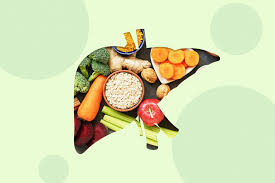
Apples are more than just a source of fiber; they are a complex delivery system for polyphenols and flavonoids, specifically quercetin and catechins. These compounds act as antioxidants, helping to neutralize oxidative stress—a primary driver of liver injury.
In the liver, excess fat can trigger a cascade of inflammation. Flavonoids are thought to intervene by:
-
Reducing Oxidative Stress: Protecting liver cells (hepatocytes) from damage caused by free radicals.
-
Improving Lipid Metabolism: Assisting the body in processing fats more efficiently.
-
Enhancing Insulin Sensitivity: Fiber and polyphenols together help regulate blood sugar, reducing the metabolic strain on the liver.
“Mechanistic studies and short-term randomized trials suggest higher intakes of dietary flavonoids may protect against nonalcoholic fatty liver disease,” the researchers noted in their summary. However, they emphasize that these bioactives work best when consumed within the “whole food” matrix of a piece of fruit, rather than as isolated supplements.
The Shift to MASLD: A Broader Public Health Context
The medical community has recently transitioned from the term NAFLD to MASLD (metabolic dysfunction-associated steatotic liver disease) to better reflect that liver fat is often a symptom of broader metabolic issues like obesity, type 2 diabetes, and hypertension.
According to data from MedlinePlus and the American Association for the Study of Liver Diseases (AASLD), fatty liver disease is often “silent,” progressing without symptoms until significant damage—such as cirrhosis—occurs. This makes preventive nutrition strategies vital.
“We have to move away from the idea of ‘superfoods’ and toward ‘super-patterns,’” says Dr. Rossi. “The liver doesn’t exist in a vacuum. It reacts to everything you eat, your activity levels, and your weight.”
Expert Perspective: Correlation vs. Causation
While the 22% risk reduction for apple eaters is impressive, independent clinicians urge a balanced interpretation. Observational studies, like this UK Biobank analysis, show association, not causation.
“People who eat more apples and drink more tea often engage in other healthy behaviors,” notes Marcus Thorne, a clinical dietitian specializing in hepatology. “They may smoke less, exercise more, or consume fewer ultra-processed foods. While the researchers adjusted for these variables, it’s nearly impossible to isolate one food as a magic bullet.”
Thorne points out that for a patient with established MASLD, adding an apple to a diet otherwise high in saturated fats and refined sugars will likely have a negligible impact. The real value of the apple, he argues, is what it replaces—such as a processed snack bar or a sugary soda.
Limitations and Caveats
Despite the study’s large sample size and robust imaging data, there are notable limitations:
-
Self-Reporting: Diet was measured through 24-hour recalls, which can be subject to memory errors or “social desirability bias” (participants reporting healthier habits than they actually practice).
-
The “Lab to Table” Gap: While animal studies using concentrated apple extracts show dramatic liver-protective effects, humans eat whole apples in much smaller relative doses.
-
Homogeneity: The UK Biobank population may not reflect the dietary habits or genetic predispositions of all global populations.
Practical Advice: What Should You Eat?
For those looking to support their liver health, the AASLD recommends a Mediterranean-style diet, which emphasizes whole fruits, vegetables, legumes, and healthy fats like olive oil.
Actionable Steps for Readers:
-
Swap, Don’t Just Add: Replace one processed snack per day with a whole apple (keep the skin on, as that’s where most flavonoids live).
-
Focus on Fiber: Aim for 25–30 grams of fiber daily to support insulin sensitivity.
-
Weight Management: Clinical evidence shows that losing just 5% to 10% of body weight can significantly reduce liver fat and inflammation.
-
Consult the Pros: If you have been diagnosed with MASLD or have risk factors like type 2 diabetes, work with a registered dietitian to create a tailored plan.
The takeaway? An apple is an excellent tool for liver health—but only if it’s part of a lifestyle that respects the liver’s complex role in the body’s metabolic engine.
Medical Disclaimer
Medical Disclaimer: This article is for informational purposes only and should not be considered medical advice. Always consult with qualified healthcare professionals before making any health-related decisions or changes to your treatment plan. The information presented here is based on current research and expert opinions, which may evolve as new evidence emerges.
References
- https://www.earth.com/news/experts-say-flavonoids-apples-best-fruit-to-eat-for-healthy-liver-functioning/