 0
0
 0
0
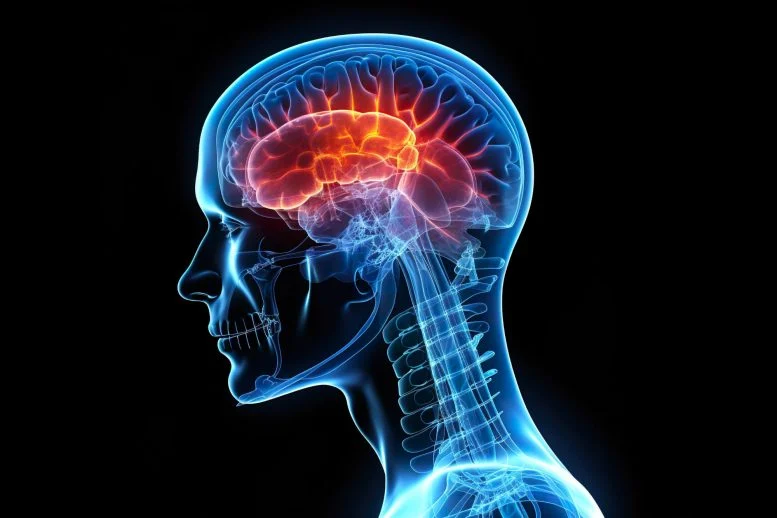
CALGARY, AB — In a major development for neuro-oncology, an early-stage clinical trial from the University of Calgary suggests that a controlled-release version of niacin—a common form of vitamin B3—could offer a new weapon against glioblastoma, one of the most aggressive and deadly forms of brain cancer. The peer-reviewed study, published in early 2026, indicates that high doses of this everyday vitamin can reactivate dormant immune cells within brain tumors, substantially improving short-term disease control when paired with standard treatments. While medical experts emphasize that these findings are preliminary and experimental, the research has injected fresh hope into a field that has seen few therapeutic breakthroughs over the past several decades.
Restoring the Brain’s Defenses
Glioblastoma presents a notorious challenge for oncologists. Even after surgical removal, the tumor consistently returns because it effectively “blinds” the patient’s local immune system. The tumor environment releases signals that suppress immune cells, leaving them present inside the mass but completely inactive.
The University of Calgary trial specifically targeted this immune paralysis. Researchers evaluated whether introducing high-dose, controlled-release niacin could “wake up” specific immune cells—primarily myeloid cells—and compel them to attack the tumor. This vitamin-based approach was evaluated as an “add-on” therapy alongside the current global standard of care: surgical resection, followed by a combination of radiation therapy and the chemotherapy drug temozolomide.
An interim analysis of the ongoing trial tracked 24 evaluable patients. The results revealed that 82.3% of the participants remained progression-free at the six-month mark—meaning their tumors had not grown or spread. This significantly outperforms the historical baseline for standard treatment alone, where typically only 53.9% of patients achieve six months of progression-free survival. This roughly 28-percentage-point improvement provided a sufficiently powerful statistical signal for the trial to continue toward its ultimate target enrollment of 48 patients.
Why Niacin Matters: The Science of “Waking Up” Immune Cells
Niacin is far from a new discovery. As vitamin B3, it is widely present in fortified foods, everyday dietary supplements, and prescription medications used to manage cholesterol. However, the mechanism being leveraged in this brain cancer trial is entirely distinct from standard dietary nutrition. The therapeutic doses administered to the trial participants are drastically higher than anything an individual could safely obtain from a normal diet or over-the-counter multivitamin.
Prior laboratory experiments and animal models paved the way for these human trials. In those preclinical evaluations, niacin was shown to re-engineer the behavior of myeloid cells—immune cells that glioblastomas usually trick into protecting the tumor rather than fighting it. The new clinical data gathered from human patients suggest that niacin triggers systemic, body-wide immune shifts. Beyond reviving local tumor-infiltrating cells, the treatment increased the presence of circulating memory T cells and natural killer (NK) cells, while simultaneously dampening the biochemical signals the tumor uses to hide from the body’s natural defenses.
Expert Perspectives on a Decades-Old Challenge
Because glioblastoma outcomes have remained stubbornly unchanged for generations, independent experts are watching the Calgary trial closely, though they preach strict clinical discipline.
“The disease remains highly aggressive, and any possible advance must be explored carefully with strict monitoring,” noted Dr. Gloria Roldan Urgoiti, a clinical associate professor of oncology involved in the trial management at the University of Calgary.
The fundamental goal of the therapy is to alter the battlefield within the skull. Dr. Wee Yong, a professor of clinical neurosciences and oncology who pioneered the preclinical foundations of the research, explained the approach simply:
“The concept is to help immune cells do what they are supposed to do: attack tumor cells rather than stay quiet inside the tumor environment.”
This concept was strongly validated in prior mouse models, where the introduction of niacin noticeably extended overall survival rates.
Public Health Implications and Practical Realities
While glioblastoma is a relatively rare form of cancer, its public health footprint is devastating due to its rapid progression and the immense emotional and financial toll it takes on families. Complete surgical removal is almost impossible because the tumor cells infiltrate surrounding healthy brain tissue like microscopic roots.
Should larger, randomized controlled trials validate these early findings, the public health benefits could be profound. Niacin is a widely available, well-understood, and highly cost-effective compound. Developing a successful therapy based on an existing, inexpensive vitamin could bypass the massive financial and manufacturing hurdles associated with newly engineered, highly complex immunotherapies. This could make an effective add-on treatment accessible to a much broader population of patients globally.
However, public health authorities note that widespread clinical adoption cannot happen based on an interim analysis of two dozen individuals. The medical community requires phase III randomized trials—comparing hundreds of patients directly—to definitively prove that niacin extends long-term survival without introducing unacceptable risks.
Important Limitations and Safety Warnings
Medical professionals urge the public not to mistake early “promise” for an immediate cure. This trial is small, open-label, and lacks a concurrent, blinded control group. The data could shift as the study expands to its full cohort of 48 patients.
Furthermore, high-dose niacin carries real biological risks. The Calgary trial established the maximum tolerated dose at 2,000 mg per day. The most prevalent side effect observed was severe cutaneous flushing (intense warming and redness of the skin). More critically, researchers observed blood-related toxicities and metabolic strains when doses were pushed beyond safe thresholds.
Oncologists and hospital pharmacists warn that consuming massive doses of store-bought niacin supplements without medical supervision can lead to liver damage, severe gastrointestinal issues, and dangerous interactions with active chemotherapy regimens.
What Patients and Families Should Take Away
For patients currently navigating a glioblastoma diagnosis, the study offers a reason for cautious optimism, representing a novel pathway in a field starved for options. However, it does not justify self-treatment.
Individuals should never alter their supplement intake or treatment protocols based on emerging headlines. The safest and most effective course of action is to discuss active clinical trial enrollments or approved therapeutic avenues directly with an attending neuro-oncology team.
Reference Section
-
Earth.com Science Report. “A common vitamin may help the immune system fight a deadly brain cancer.” Published June 27, 2026.
Medical Disclaimer: This article is for informational purposes only and should not be considered medical advice. Always consult with qualified healthcare professionals before making any health-related decisions or changes to your treatment plan. The information presented here is based on current research and expert opinions, which may evolve as new evidence emerges.