 0
0
 0
0
Published: June 2026
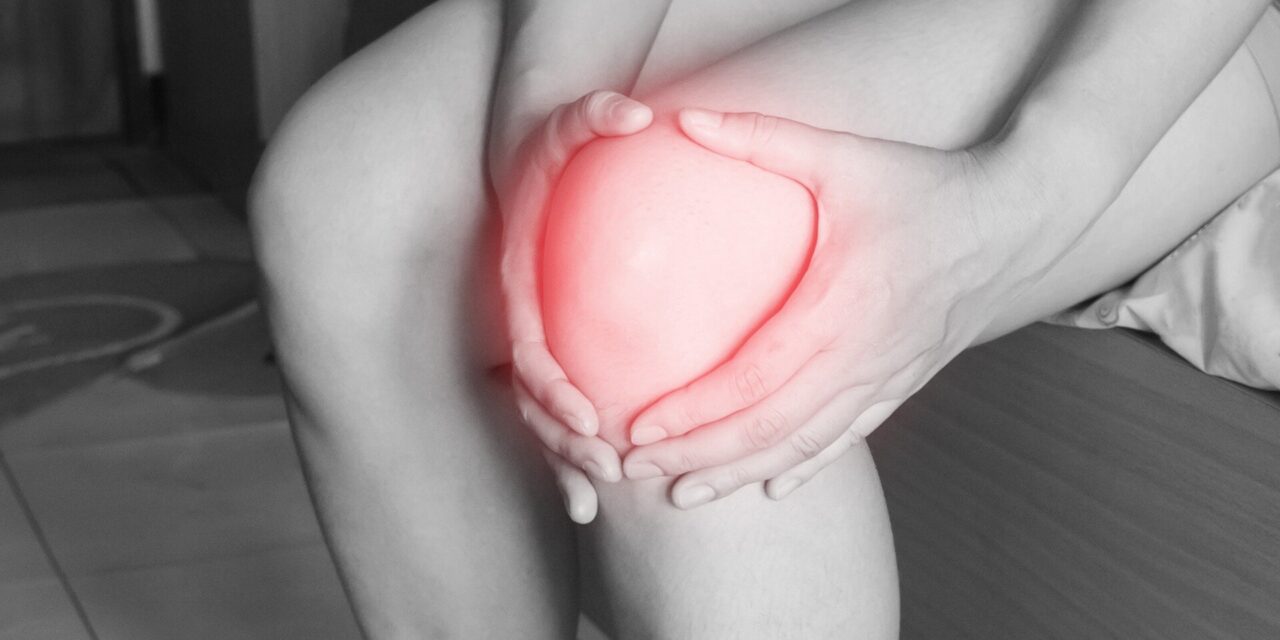
As millions of people worldwide seek alternatives to major joint surgery, a minimally invasive procedure called genicular artery embolization (GAE) is gaining significant attention from medical communities and patients alike. Recently updated clinical data and updated consensus statements highlight GAE as a potential “middle-ground” intervention for individuals living with chronic knee osteoarthritis. The procedure is designed for those who still experience persistent pain after trying conservative therapies like physical therapy and steroid injections, but who are not ready for—or suited to—total knee replacement surgery. However, while early clinical reports sparked substantial optimism, newly published long-term studies are introducing critical nuances, suggesting that the benefits of the procedure may be more modest than initially hoped and that the science is still evolving.
Targeting Inflammation: How GAE Works
Knee osteoarthritis has traditionally been viewed purely as a mechanical “wear-and-tear” disease that destroys joint cartilage. However, modern medical science recognizes that chronic inflammation plays a massive role in driving the pain associated with joint degeneration. As arthritis progresses, the body often develops abnormal, microscopic networks of new blood vessels inside the joint tissue. This process, known as hypervascularity, inadvertently fuels the inflammation and hyper-sensitizes local nerve endings, resulting in chronic, debilitating pain.
Unlike a total knee arthroplasty (knee replacement), which removes the damaged joint and replaces it with artificial components, GAE takes a completely different, tissue-sparing approach.
Performed as an outpatient procedure by an interventional radiologist, GAE involves the following steps:
-
A physician makes a tiny, freckle-sized nick in the skin, usually near the groin or wrist.
-
Using advanced, real-time X-ray imaging, the doctor guides a thin, flexible tube called a catheter through the circulatory system directly to the knee.
-
Once positioned, the doctor releases microscopic particles into selected genicular arteries that feed the inflamed joint lining.
-
These particles safely slow down the blood flow to the areas of inflammation, effectively starving the hyperactive nerve signals without damaging the surrounding bone or cartilage structure.
The primary objective of GAE is not to rebuild cartilage or reverse the structural damage of arthritis. Instead, it is purely a symptom-management strategy intended to reduce inflammation and calm the pain signaling pathways within the joint.
The Evolving Evidence: Promising Signal or Placebo Effect?
The medical literature surrounding GAE has grown rapidly, shifting from small, open-label pilot studies to more rigorous clinical designs. The data, however, present a mixed picture that requires careful interpretation by both clinicians and patients.
According to a comprehensive 2025 systematic review, data pooled from three sham-controlled randomized trials involving 138 patients demonstrated notable short-term pain reduction. Participants who underwent the true embolization procedure reported higher levels of initial pain relief compared to those who received a sham (placebo) procedure. However, these trials were relatively small, and the data regarding functional improvements—such as walking speed or joint stiffness—remained mixed and less conclusive.
The conversation shifted further with the publication of a rigorous, randomized controlled trial. This study tracked patients over a longer timeline and found no statistically significant difference in pain relief between the GAE group and the sham treatment group at the 12-month mark.
“The findings from the latest long-term trials suggest that a sustained placebo effect may account for a portion of the pain relief reported in earlier, shorter-term studies,” notes the research commentary. “When patients and doctors both know an intervention has occurred, psychological and physiological placebo responses can be remarkably powerful, particularly in trials measuring subjective outcomes like pain.”
Expert Perspectives and Clinical Consensus
Despite the conflicting data regarding long-term superiority over placebo, major medical organizations see a clear, albeit carefully defined, role for GAE in modern orthopedics. On May 12, 2026, the Society of Interventional Radiology (SIR) issued an official position statement on the procedure. The society noted that the cumulative evidence base has grown sufficiently to support the use of GAE in highly specific clinical scenarios.
Specifically, the SIR statement suggests GAE as an option for carefully selected patients who meet the following criteria:
-
Have a confirmed diagnosis of symptomatic knee osteoarthritis.
-
Have failed conservative therapies, such as weight management, physical therapy, and joint injections.
-
Are either not medically eligible for total knee arthroplasty or explicitly wish to delay major orthopedic surgery.
Even with this endorsement, the SIR position statement explicitly called for larger, multi-center randomized controlled trials to better clarify which specific patient profiles benefit most from the procedure and to determine exactly how durable the results are over multiple years.
Separately, a 2025 review published in Cardiovascular and Interventional Radiology concluded that while GAE consistently achieves exceptional technical success—meaning interventional radiologists can safely and accurately block the targeted vessels—there is substantial variability in techniques, target arteries, and embolic materials used across different medical centers. This lack of standardization makes it difficult to compare clinical trials directly and highlights the need for standardized protocols.
The Public Health Landscape: The Search for a Middle Ground
The urgency to find effective, minimally invasive treatments for knee pain is driven by a massive public health demand. Data from the Centers for Disease Control and Prevention (CDC) indicate that 21.3% of U.S. adults aged 18 and older reported a doctor’s diagnosis of arthritis, with osteoarthritis being the leading culprit driving millions of medical evaluations annually.
According to the American Academy of Orthopaedic Surgeons (AAOS), while there is currently no cure for knee osteoarthritis, the primary therapeutic goal is to manage symptoms, mitigate pain, and maintain patient mobility.
For the general public, the practical appeal of GAE is undeniable. It is an outpatient procedure, requires no general anesthesia, involves minimal downtime, and leaves virtually no scarring. For an individual struggling to walk down the stairs but terrified of a major operation like total knee replacement, GAE sounds like a perfect solution. However, public health experts emphasize that because the strongest sham-controlled data are still limited, patients must not assume GAE is a superior or universally effective substitute for established first-line treatments like structured exercise, weight loss, and core lifestyle modifications.
Important Limitations and Patient Realities
While GAE appears to be generally safe, with most reported side effects being mild and temporary—such as minor bruising at the entry site, localized skin discoloration, or transient knee pain immediately following the procedure—it is not a medical miracle.
The most vital clinical reality for patients to understand is that GAE does not cure osteoarthritis. Because it does not regenerate lost cartilage or alter the underlying biomechanics of a degenerated joint, the arthritic process itself will continue. It is an innovative way to turn down the volume on pain, but it is not a structural repair. Furthermore, because long-term data past one to two years remain scarce, it is still unknown how many patients might require repeat procedures or whether early embolization impacts future surgical options if a knee replacement eventually becomes necessary.
Practical Takeaways for Patients
For individuals living with persistent, disruptive knee osteoarthritis pain, genicular artery embolization represents an exciting, emerging frontier in interventional medicine. If you have exhausted conservative treatments like physical therapy and anti-inflammatory medications, but you are not an ideal candidate for surgery or simply want to delay it, GAE is a topic worth discussing with both your primary orthopedic specialist and an interventional radiologist.
The most evidence-based approach right now is one of hopeful caution. GAE may offer meaningful, less invasive symptom relief for a specific subset of patients, but the science is far from settled. Consumers should view it as a developing option in a growing toolkit for arthritis management, rather than a guaranteed or permanent cure.
Reference Section
- https://www.earth.com/news/a-tiny-procedure-may-ease-chronic-knee-pain-without-replacing-the-joint/
Medical Disclaimer: This article is for informational purposes only and should not be considered medical advice. Always consult with qualified healthcare professionals before making any health-related decisions or changes to your treatment plan. The information presented here is based on current research and expert opinions, which may evolve as new evidence emerges.