 0
0
 0
0
Published: June 28, 2026
CHICAGO — For years, discovering a “silent” kidney stone during a medical scan for an unrelated issue meant adopting a simple strategy: wait and see. However, a comprehensive new study is challenging this traditional, hands-off approach. A systematic review and meta-analysis published on June 14, 2026, in the World Journal of Urology suggests that proactively treating asymptomatic kidney stones may significantly reduce a patient’s risk of future stone recurrence and the need for emergency surgeries. While the findings provide a compelling case for early intervention, researchers and independent urologists caution that the data is not yet strong enough to justify operating on every silent stone.
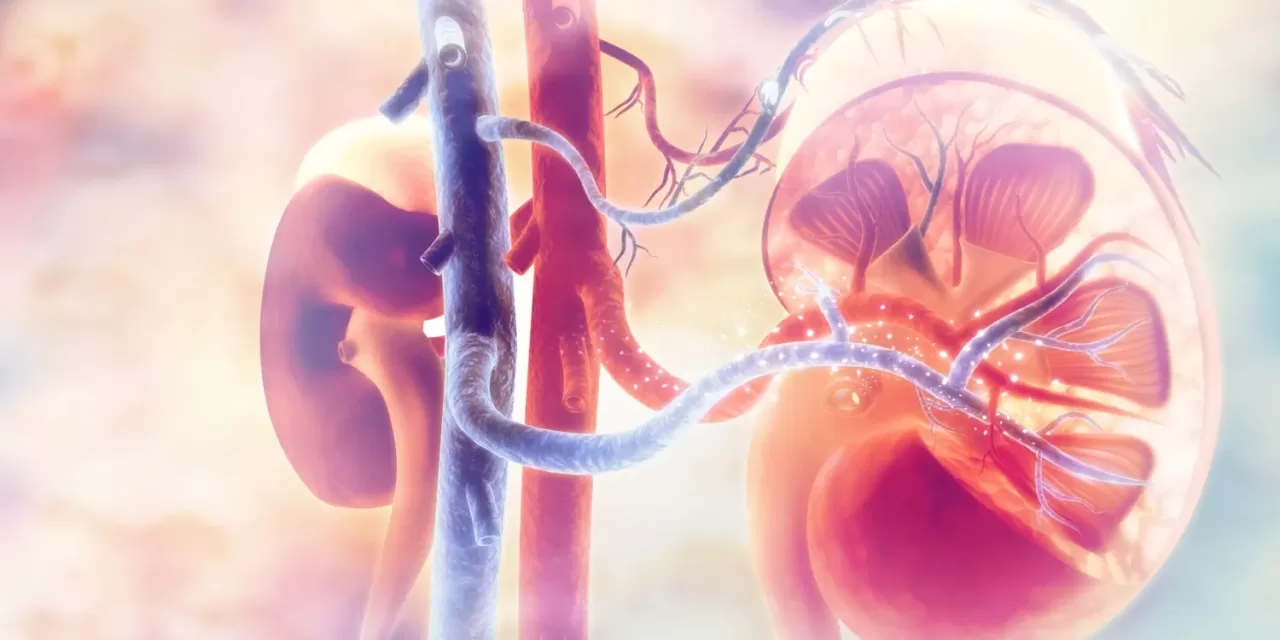
Kidney stones—hard deposits of minerals and acid salts that stick together in concentrated urine—are a notoriously painful and costly public health burden. Frequently, these stones are asymptomatic, meaning they sit quietly in the kidney without causing pain, blocking urine flow, or triggering infections. They are usually found incidentally when a patient undergoes an ultrasound, CT scan, or X-ray for an entirely different reason, such as back pain, gastrointestinal issues, or routine checkups.
Shifting the Odds: What the Data Shows
To evaluate whether it is better to treat these silent stones early or monitor them over time, researchers pooled data from six randomized controlled trials involving a total of 592 patients. The meta-analysis compared patients who received active, stone-directed treatment—such as non-invasive shockwave therapy or minimally invasive laser procedures—against those who underwent standard clinical observation.
The findings revealed a stark contrast between the two approaches:
-
65% Lower Odds of Recurrence: Patients who underwent proactive treatment had drastically lower odds of experiencing a composite recurrence, which includes stone growth, new stone formation, or sudden painful episodes.
-
55% Lower Odds of Future Surgery: Early intervention successfully headed off the need for subsequent, often unplanned, surgical procedures down the road.
-
Fewer Growing Stones: Data from two of the analyzed studies specifically noted that proactive care significantly halted stone growth compared to the observation group.
Crucially, the researchers found that these benefits did not come at the expense of patient safety, as the rates of adverse side effects or procedural complications were statistically similar between the treatment and observation groups.
Why the ‘Watch and Wait’ Debate Continues
Despite these encouraging statistics, the medical community is stopping short of rewriting standard care guidelines. The reason lies in the limitations of the current data pool.
“This meta-analysis gives us incredibly valuable food for thought, but it isn’t a mandate to operate on every incidental stone we find,” explains Dr. Aris Vardanyan, a urologist at the Metropolitan Health Institute who was not involved in the research. “The six trials analyzed used different types of surgical procedures, varying definitions of what constitutes a ‘recurrence,’ and highly inconsistent follow-up timelines. This makes it difficult to apply a blanket rule to everyday clinical practice.”
This cautious view aligns with earlier research. A prior review published in Current Urology Reports concluded that universal rules simply do not exist for asymptomatic renal stones. Medical guidance from the European Association of Urology (EAU) similarly notes that asymptomatic calyceal stones (stones sitting in the outer spaces of the kidney) can safely be managed with active surveillance in appropriately selected, low-risk patients.
The Public Health Calculus: Overtreatment vs. Emergency Care
The debate carries significant weight for public health systems. Kidney stones place a massive financial and structural burden on healthcare infrastructure, driving hundreds of thousands of emergency room visits, expensive diagnostic imaging scans, and lost hours of workforce productivity every year.
If proactive treatment can predictably prevent emergency surgeries, it could ease some of this systemic strain. However, urologists worry about the flip side: overtreatment.
The Overtreatment Risk: Even minimally invasive modern stone procedures are not entirely benign. They carry exposure to general anesthesia, potential risks of urinary tract injury or infection, financial costs, and required recovery time.
Furthermore, “asymptomatic” does not mean entirely risk-free. A landmark 2021 systematic review covering 25 years of data found that while initial stone size is not a perfect predictor of when or if a patient will develop painful symptoms, larger stones are statistically far more likely to require aggressive intervention later.
What This Means for Patients: Personalized Shared Decision-Making
For the health-conscious consumer, the takeaway from this latest research is not to panic or rush into an operating room, but rather to have a nuanced, individualized conversation with a specialist.
Whether a doctor recommends active treatment or continued observation typically depends on a matrix of personal factors rather than the mere presence of a stone:
| Factor | Favoring Active Observation | Favoring Proactive Treatment |
| Stone Size | Small (e.g., less than 5mm) | Large or actively growing |
| Location | Quietly resting in a lower kidney pole | Positioned near the exit, risking blockage |
| Patient Profession | Office-based, easy access to care | Pilots, military, or frequent travelers |
| Medical History | First-time stone finder | History of severe, recurrent stone disease |
“The choice depends heavily on the specific details of that unique stone and the patient’s lifestyle,” says Dr. Vardanyan. “For instance, an asymptomatic 6mm stone in a commercial airline pilot demands early treatment because a sudden pain episode mid-flight is a catastrophic safety risk. For a retired individual with a stable 3mm stone, regular ultrasounds remain an excellent, safe path.”
Moving forward, urological experts stress that longer-term research is desperately needed. Most current kidney stone studies focus primarily on immediate, short-term outcomes. The medical community requires long-term data tracking patient quality of life, overall healthcare costs, and the true balance of repeat procedures over a decade to firmly establish when to watch, and when to act.
For now, patients who are told they have an incidental kidney stone should ask their doctor specific questions: Is the stone in a location likely to cause trouble? Is it growing compared to past scans? Is active observation safe for my specific medical history?
Crucially, anyone opting for observation must remain vigilant. If symptoms such as severe, sharp flank or back pain, fever, chills, persistent vomiting, or visible blood in the urine develop, urgent medical evaluation is vital. A silent stone can quickly transform into a medical emergency if it shifts to block urine flow or sparks an infection.
Reference Section
- https://www.medscape.com/viewarticle/treat-or-wait-new-meta-analysis-asymptomatic-kidney-stones-2026a1000lsg
Medical Disclaimer: This article is for informational purposes only and should not be considered medical advice. Always consult with qualified healthcare professionals before making any health-related decisions or changes to your treatment plan. The information presented here is based on current research and expert opinions, which may evolve as new evidence emerges.