 0
0
 0
0
DHAKA, BANGLADESH — A massive and rapidly accelerating measles outbreak in Bangladesh has claimed the lives of 709 children and vulnerable individuals since mid-March, according to local health data and international tracking assessments. Seven additional pediatric fatalities were documented in the latest 24-hour reporting window alone. The crisis has triggered a massive emergency vaccination response across the South Asian nation as global health authorities work alongside local agencies to close widening immunity gaps that left millions of children vulnerable to one of the world’s most contagious pathogens.
Inside the Numbers: A Nationwide Escalation
The combined death toll of 709 includes both laboratory-confirmed cases and clinically compatible, suspected measles-related fatalities. Bangladesh’s Directorate General of Health Services (DGHS) uses this inclusive tracking methodology to ensure that remote or resource-limited communities, where full laboratory confirmation is not immediately accessible, are not left out of critical epidemiological counts.
The World Health Organization (WHO) previously noted that the virus had successfully infiltrated 58 of Bangladesh’s 64 administrative districts. Early data from the initial surge logged:
-
19,161 suspected clinical infections
-
2,897 laboratory-confirmed cases
-
166 early documented deaths
The rapid leap from those spring numbers to the current total of more than 700 lives lost underscores how quickly transmission lines have multiplied, particularly within dense urban centers and under-vaccinated rural corridors. Data reveals that the overwhelming majority of both infections and severe outcomes are concentrated among children under the age of 14, with the highest vulnerability observed in toddlers under 5.
Anatomy of an Airborne Threat
Measles is caused by a morbillivirus, a highly structured RNA virus. It ranks among the most infectious agents known to medical science.
The virus is transmitted via airborne droplets or direct respiratory contact. When an infected individual coughs or sneezes, microscopic viral particles remain suspended in the air and viable on nearby surfaces for up to two hours.
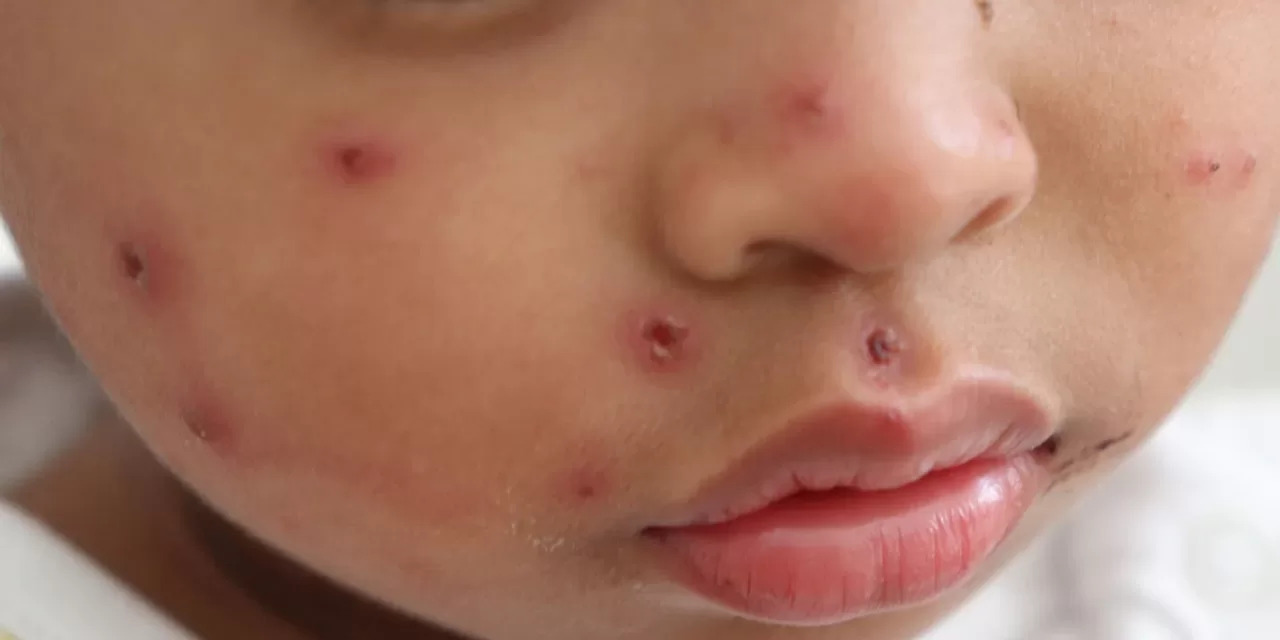
According to global clinical data, a single individual infected with measles can pass the virus to 12 to 18 unprotected people in a susceptible population. This extreme transmission potential is worsened by the virus’s incubation pattern: individuals become highly infectious days before the characteristic skin rash ever manifests. The initial presentation closely mirrors standard respiratory ailments—characterized by a high fever, persistent cough, runny nose (coryza), and inflamed, watery eyes (conjunctivitis).
While popular perception occasionally mischaracterizes measles as a benign childhood illness, the clinical reality can be devastating. The virus causes acute immune suppression, opening the door to life-threatening complications including:
-
Severe pneumonia: The leading cause of measles-associated mortality.
-
Encephalitis: Acute brain inflammation that can result in permanent neurological damage or blindness.
-
Severe diarrhea and dehydration: Rapidly debilitating for malnourished or vulnerable children.
The Origin of the Crisis: Tracking Immunity Gaps
Public health experts stress that large-scale measles resurgences are rarely random occurrences; they are structural indicators of a compromised preventive net. The current emergency in Bangladesh stems from multiple overlapping systemic challenges that disrupted routine immunizations over consecutive years.
To establish reliable “herd immunity”—the threshold at which a community is sufficiently protected to halt an airborne virus’s transmission—a population must maintain at least a 95% coverage rate with two distinct doses of a measles-containing vaccine.
Epidemiologists have identified three primary drivers behind Bangladesh’s current immunity deficit:
-
Supply Chain Disruptions: A prolonged, nationwide stockout of the combined Measles-Rubella (MR) vaccine occurring between 2024 and 2025 left significant cohorts of infants entirely unprotected during critical developmental windows.
-
Delayed Campaigns: The absence of regular, nationwide supplementary immunization activities (SIAs) since 2020 allowed a steady accumulation of susceptible individuals who had either missed their routine doses or failed to develop full immunity from a single dose.
-
Widened Age Vulnerability: Because these coverage gaps persisted over several years, the pool of vulnerable individuals expanded beyond infancy, leaving children up to 14 years old exposed to infection.
Expert Perspectives and Regional Implications
“When measles returns at this scale, it acts as a heat-seeking missile targeting the gaps we left behind in our immunization infrastructure,” explains Dr. Aris Thorne, a pediatric infectious disease specialist and global health consultant who is not directly involved in the Bangladesh emergency response. “The virus inevitably finds the most vulnerable, under-vaccinated children first. You cannot fight an airborne pathogen of this caliber with patchy or single-dose coverage.”
The international community has classified the national risk within Bangladesh as exceptionally high. Because measles recognizes no geopolitical borders, both the WHO and regional health authorities have issued alerts regarding potential cross-border transmission.
Major international transit hubs and shared land border crossings connect Bangladesh with neighboring nations, including India. Given the high mobility of these populations and existing pockets of unvaccinated children throughout the region, an uncontained outbreak in Dhaka or outlying districts poses a direct threat to wider regional health security.
Mobilizing the Response: Progress and Boundaries
In direct response to the escalating mortality figures, Bangladesh’s Ministry of Health has rolled out an emergency measles-rubella vaccination blitz. Backed by an international coalition including the WHO, UNICEF, and Gavi, the Vaccine Alliance, the campaign initially prioritized children aged 6 months to 5 years residing within the highest-risk districts before expanding into a nationwide catch-up initiative.
Clinical Guidance for Families: Public health officials advise parents to monitor children closely for a combination of high fever, respiratory symptoms, and a progressive rash. Unvaccinated or partially vaccinated children should receive immediate medical evaluation if exposed, as early supportive care—including high-dose Vitamin A supplementation—can significantly reduce the risk of severe complications.
Important Reporting Context
Journalistic and medical experts urge caution when evaluating the fluctuating data surrounding this outbreak. Because the official death toll incorporates both laboratory-confirmed and clinically suspected cases, the figure reflects a broad epidemiological reality rather than a strictly audited laboratory count.
Furthermore, data aggregation discrepancies are common during fast-moving public health emergencies; localized media accounts frequently capture real-time field reports before they can be fully processed, validated, and published via official international frameworks.
The unfolding crisis serves as a stark reminder to health systems worldwide: immunization progress is non-permanent. Without sustained funding, robust supply chain management, and unwavering commitment to maintaining a 95% two-dose vaccination threshold, the structural protections built over decades can rapidly diminish, leaving communities vulnerable to preventable infectious diseases.
References
- https://telanganatoday.com/bangladesh-measles-outbreak-claims-seven-more-lives-death-toll-rises-to-709
Medical Disclaimer: This article is for informational purposes only and should not be considered medical advice. Always consult with qualified healthcare professionals before making any health-related decisions or changes to your treatment plan. The information presented here is based on current research and expert opinions, which may evolve as new evidence emerges.