 0
0
 0
0
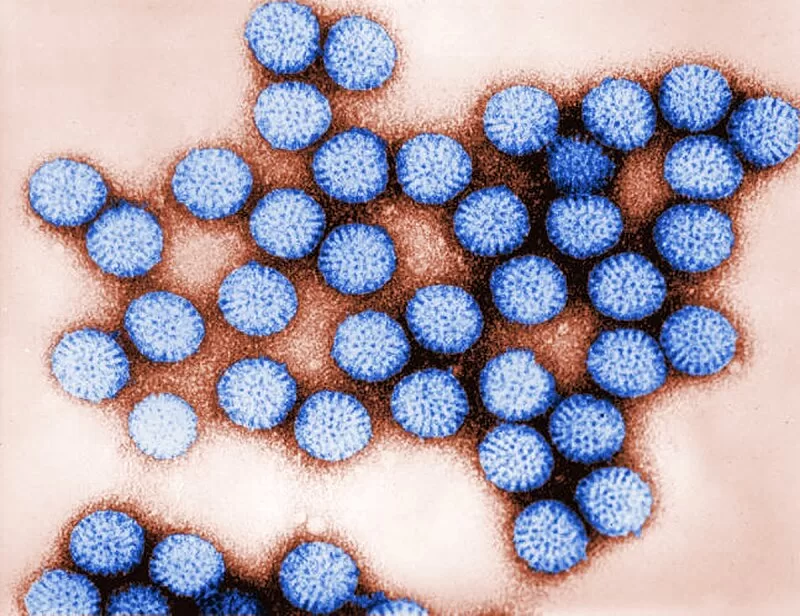
ATLANTA — Rotavirus, a highly contagious gastrointestinal pathogen known for causing severe vomiting and diarrhea, has surged across the United States since January 2026. Data from wastewater surveillance and clinical reports indicate infection levels are significantly higher than during the same period last year. The Centers for Disease Control and Prevention (CDC) issued a formal warning this week, noting that declining childhood vaccination rates are fueling a rise in hospitalizations and severe illness among infants and toddlers. Public health officials are now urging parents to prioritize immunization to prevent a further strain on pediatric healthcare systems.
What Is Rotavirus and Why Is It Dangerous?
Rotavirus is the leading cause of severe infectious diarrhea in children under five globally. In the U.S., it remains a perennial threat, particularly in communities where vaccination coverage has slipped. The virus typically strikes about two days after exposure, manifesting as a sudden onset of fever and profuse vomiting, followed by three to eight days of watery diarrhea.
The primary clinical danger is rapid dehydration. Because infants have smaller body masses, the loss of fluids can quickly become life-threatening. Warning signs include:
-
Lethargy and extreme fatigue
-
Sunken eyes
-
Dry mouth and lack of tears when crying
-
Decreased urine output (fewer wet diapers)
Before the 2006 introduction of rotavirus vaccines, the virus was a major burden on the American healthcare system, causing more than 200,000 emergency room visits, 70,000 hospitalizations, and dozens of preventable deaths annually.
Evidence of a 2026 Surge
Current data from WastewaterScan, a national surveillance program operated by Stanford and Emory universities, shows rotavirus levels climbing steadily throughout the first quarter of 2026. These levels are currently classified as “high” across multiple regions, most notably in the West and Midwest.
This environmental data is reflected in clinical settings. Hospitals from Oklahoma to the Great Lakes have reported an uptick in pediatric admissions for rotavirus-related gastroenteritis. CDC scientists observed that while influenza activity has begun its seasonal wane, rotavirus activity is moving in the opposite direction.
“We are seeing children presenting with classic, intense symptoms—fevers of $101^\circ\text{F}$ and children passing more than 20 watery stools per day,” noted one CDC clinical analyst.
Vaccination Trends and Policy Shifts
The U.S. currently utilizes two licensed oral vaccines: RotaTeq (three doses) and Rotarix (two doses). These are administered to infants between 6 weeks and 8 months of age. Historically, these vaccines have been remarkably effective, preventing an estimated 40,000 to 70,000 hospitalizations each year. Statistics show that roughly 90% of vaccinated children are protected from severe disease.
However, 2026 has introduced new challenges to vaccine uptake. Earlier this year, Health and Human Services (HHS) Secretary F. Xavier Becerra announced a controversial proposal to revise the childhood immunization schedule by removing the rotavirus vaccine and moving it to a “consult-your-pediatrician” model.
While a federal judge subsequently paused these changes, the proposal appears to have impacted public confidence. Recent CDC-aligned data shows that rotavirus vaccination coverage at age two has declined from 75.8% to 74.2%. While seemingly small, public health experts warn that even a 1-2% drop in coverage can significantly weaken community immunity and lead to localized outbreaks.
Expert Commentary: The Frontline Perspective
Medical professionals are expressing deep concern over the trend. Dr. Stephanie DeLeon, associate chief medical officer and pediatric hospitalist at Oklahoma Children’s OU Health, has seen the surge firsthand.
“Once the vomiting starts, kids can dehydrate very quickly,” Dr. DeLeon said. “When a child is vomiting profusely, it becomes extremely difficult to rehydrate them orally, which is why they often require intravenous (IV) fluids in the hospital.”
Dr. Monica Gandhi, an infectious disease specialist at the University of California, San Francisco, noted that while modern supportive care prevents most deaths in the U.S., the morbidity remains high. “Severe complications could rise significantly due to vaccine hesitancy,” she warned.
Dr. Paul Offit, a pediatric vaccine expert at the Children’s Hospital of Philadelphia and a co-developer of RotaTeq, emphasized the safety profile of the intervention. “The data are clear: the benefits far outweigh the risks,” Dr. Offit said. He argues that choosing not to vaccinate is effectively a decision to accept an avoidable, high-risk infection.
Safety Profile and Rare Risks
No medical intervention is without risk, and the CDC maintains transparency regarding rotavirus vaccine side effects. Most reactions are mild, including:
-
Irritability
-
Mild, temporary diarrhea
-
Brief vomiting
A rare but serious adverse event is intussusception, a type of bowel obstruction where the intestine slides into itself like a telescope. This occurs in approximately 1 in 20,000 to 1 in 100,000 infants, usually within a week of the first or second dose.
Medical experts stress that the risk of intussusception from the vaccine is far lower than the risk of severe dehydration and hospitalization from a natural rotavirus infection. Parents are advised to seek immediate care if an infant shows signs of abdominal swelling or “currant jelly” (bloody) stools.
Public Health Implications and Equity
The resurgence of rotavirus raises significant equity concerns. Children in rural areas or lower-income households often have less immediate access to emergency pediatric care. If a child in a “medical desert” becomes severely dehydrated, the window for intervention is narrow.
Furthermore, public health officials frame vaccination as a “community-protection” measure. High coverage levels help shield infants who are too young to be vaccinated or those with underlying immune disorders who cannot receive live-virus vaccines.
Guidance for Families
The CDC continues to recommend the standard rotavirus series for almost all infants.
What parents can do:
-
Check Records: Ensure your child has completed the 2- or 3-dose series by 8 months of age.
-
Monitor Symptoms: If your child is sick, watch for decreased wet diapers and lethargy.
-
Hydration: Use oral rehydration solutions (like Pedialyte) for mild cases, but do not hesitate to go to the ER if vomiting prevents fluid intake.
-
Hygiene: Practice frequent handwashing and surface disinfection, as rotavirus is hardy and can survive on toys and doorknobs for extended periods.
Limitations and Ongoing Questions
While wastewater data is a powerful early-warning tool, it is not a perfect predictor of clinical severity. Some researchers caution that rotavirus is naturally cyclical and can fluctuate year-to-year regardless of policy.
Additionally, the rise in vaccine hesitancy suggests a need for better communication. “We must address parental concerns with transparency,” said an official from the Australian Centre for Disease Control, noting that global trends often mirror U.S. shifts. “The decades-long reduction in hospitalizations is our strongest evidence that this strategy works.”
Medical Disclaimer: This article is for informational purposes only and should not be considered medical advice. Always consult with qualified healthcare professionals before making any health-related decisions or changes to your treatment plan. The information presented here is based on current research and expert opinions, which may evolve as new evidence emerges.
References
- https://www.nbcnews.com/health/kids-health/vomiting-diarrhea-rotavirus-cdc-high-levels-vaccine-babies-rcna331618