 0
0
 0
0
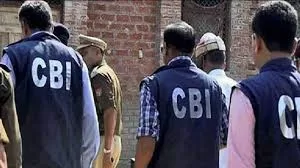
NEW DELHI — The National Testing Agency (NTA) has cancelled the National Eligibility-cum-Entrance Test for Undergraduates (NEET-UG) 2026, originally administered on May 3. Following explicit approval from the central government, the NTA referred the entire matter to the Central Bureau of Investigation (CBI) after law-enforcement inputs strongly indicated that the integrity of the question paper could not be guaranteed.
In a subsequent testimony before a parliamentary panel, the NTA downplayed the systemic scale of the breach, asserting there was “no full leak” even though “certain questions came out.” This nuanced stance has deepened confusion among stakeholders as multi-state arrests and investigative leads multiply ahead of a newly scheduled re-examination on June 21, 2026.
Key Developments: A Fractured National Exam
The decision to completely annul the examination has triggered an unprecedented crisis in Indian medical education. More than 22 lakh (2.2 million) candidates appeared for the test on May 3, making the cancellation an administrative disruption of historic proportions. Every single one of these aspirants, competing for a limited pool of undergraduate medical and dental seats, must now prepare to retake the high-stakes test.
The NTA announced the cancellation after reviewing critical intelligence from state police forces and central intelligence authorities. While the agency maintained that its primary test-day security protocols remained robust across the vast majority of centres, it acknowledged to parliamentarians that local compromises occurred.
This official narrative of a “localized compromise” stands in sharp contrast to ongoing media reports. Investigative disclosures allege that an extensive “guess-paper”—containing a substantial, highly overlapping portion of the actual exam—was actively circulated and sold in parts of Rajasthan, Bihar, and several other locations prior to the exam hour.
Expert Perspectives: Public Trust and Forensic Priorities
The fallout extends far beyond logistical hurdles, threatening public confidence in the fairness of the medical selection process itself.
“High-stakes national examinations depend entirely on perceived fairness and absolute equity,” explains Dr. (Prof.) Anupama Sharma, a medical education specialist who is not involved in the current investigation. “Even when leaks are technically limited or localized, the psychological harm inflicted on students is systemic. It erodes trust in the meritocratic framework that underpins our entire healthcare education system.”
From an investigative standpoint, unravelling the true scope of the breach requires deep technical scrutiny rather than administrative assurances. A former senior examination-body official, speaking on the condition of anonymity, emphasized that investigators must prioritize forensic and digital footprints over verbal testimonies.
“To distinguish between an isolated malpractice ring and a catastrophic institutional failure, the CBI must meticulously audit printing records, physical chain-of-custody logs, and staff access registries. Simultaneously, tracing digital metadata—such as messaging application forwards, encrypted group timestamps, and IP addresses—is the only definitive way to chart the exact timeline and velocity of the leak.”
Context: The Vulnerability of a Mega-Exam
The NEET-UG is the single gateway for admission to all recognized medical, dental, and alternative medicine (AYUSH) institutions across India. By its very nature, the exam demands an astronomical logistical footprint. It involves thousands of test centres, secure printing facilities, bank vaults for storage, transit couriers, and tens of thousands of invigilators.
Historically, this massive chain has faced sporadic, localized vulnerabilities, prompting incremental security upgrades over the years. However, the 2026 breach represents a profound breakdown.
According to preliminary law enforcement tracking, the current crisis intensified when multi-state police units intercepted a distribution chain connecting coaching hub networks to persons of interest. With the CBI widening its net, dozens of individuals, including suspected sub-agents and candidates, have been detained.
Implications for Public Health and Medical Education
While the immediate crisis is educational and legal, the downstream implications present a distinct public health challenge.
Short-Term Mental Health Toll
The sudden cancellation and the mandated June 21 re-exam have triggered acute mental health concerns among millions of young aspirants. Many of these students have dedicated two to four years of intensive, isolated study toward this single day. The sudden shifting of goalposts induces severe anxiety, burnout, and acute stress.
Systemic Workforce Delays
On an institutional level, delaying the NEET-UG results effectively stalls the entire academic calendar. Medical counselling, seat allocation, and the commencement of the first-year MBBS term will face cascading delays. Over time, these disruptions compress the academic timeline and delay the eventual entry of qualified junior doctors into a public healthcare system that is perpetually facing workforce shortages.
If the CBI probe confirms an insider role or a fundamental vulnerability in the NTA’s infrastructure, it will necessitate a sweeping overhaul of India’s testing protocols. Experts suggest that future iterations may require a shift away from traditional pen-and-paper formats toward end-to-end encrypted digital distribution, decentralized question-bank algorithms, and mandatory third-party security audits.
                       NEET-UG 2026 CRISIS TIMELINE

    [ May 3 ] ----------------> [ Mid-May ] ---------------> [ June 21 ]
  Original Exam             Widespread Probe               Scheduled Re-Exam
 (22 Lakh Students)       & Total Cancellation            (Valid Registrations
                                                              Retained)
Counterarguments and the Legal Pathway
In its defense, the NTA has emphasized that it acted proactively to protect the long-term sanctity of the medical profession, choosing total cancellation over letting a tainted process stand. The agency also announced mitigating measures for affected students:
-
Candidates will not be required to re-register for the June 21 test.
-
All examination fees will be automatically adjusted for the re-exam.
-
New admit cards will be issued through official channels without additional financial burdens.
Furthermore, public health and legal experts urge the public to exercise caution regarding media narratives. While news outlets have named specific suspects and alleged systemic rot, these claims remain unproven allegations until the CBI completes its forensic evaluations and files formal charges in a court of law. Administrative reforms by the NTA will likely run parallel to the criminal investigation, but officials must avoid prejudging individuals before due process concludes.
Practical Guidance for Affected Students
Faced with a month of intense uncertainty, students and parental guardians are advised to adopt structured coping mechanisms to navigate the upcoming re-examination:
-
Rely Only on Official Channels: Disconnect from the relentless cycle of social media rumors and unverified news clips. Trust only the official notifications published directly on the NTA website.
-
Prioritize Mental Well-being: Public health data shows that brief, targeted interventions—such as maintaining strict sleep hygiene, practicing timed cognitive pacing, and utilizing institutional student helplines—significantly reduce acute exam stress and prevent functional cognitive impairment.
-
Maintain Routine: Treat the remaining weeks as a structured revision period rather than a return to baseline preparation.
What to Watch Next
The focus now shifts to two critical fronts: the specific evidentiary disclosures from the CBI regarding whether an organized national syndicate or a localized network breached the protocols, and the NTA’s immediate deployment of enhanced security measures for the June 21 examination to ensure that history does not repeat itself.
References
- https://medicaldialogues.in/state-news/delhi/no-leak-from-system-cbi-probing-matter-nta-tells-parliamentary-panel-over-neet-2026-row-171179
Medical Disclaimer: This article is for informational purposes only and should not be considered medical advice. Always consult with qualified healthcare professionals before making any health-related decisions or changes to your treatment plan. The information presented here is based on current research and expert opinions, which may evolve as new evidence emerges.