 0
0
 0
0
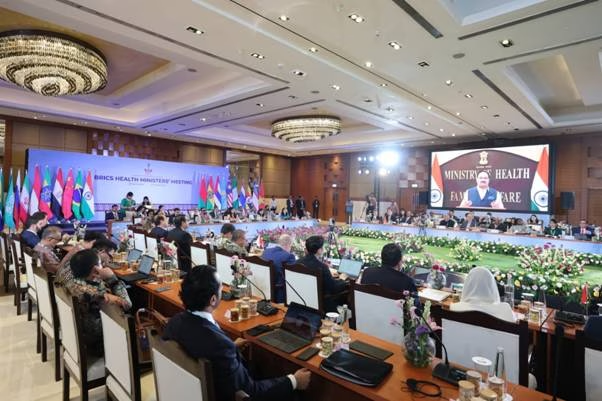
CHANDIGARH, India — Health ministers and senior officials from the BRICS bloc concluded the 16th BRICS Health Ministers’ Meeting on July 23, 2026, unanimously adopting a historic joint declaration aimed at bolstering global health architecture, improving health equity, and strengthening pandemic response capacities across member states.
Held under India’s 2026 BRICS Chairship theme, “Building for Resilience, Innovation, Cooperation and Sustainability,” the summit addressed nine key public health priorities. The resulting 16th BRICS Health Ministerial Declaration establishes formalized operational frameworks and institutional networks designed to expand access to care, regulate medical products, and combat both infectious and lifestyle-driven diseases across member nations, which together represent nearly half of the world’s population.
Expanding Pandemic Preparedness and Infectious Disease Surveillance
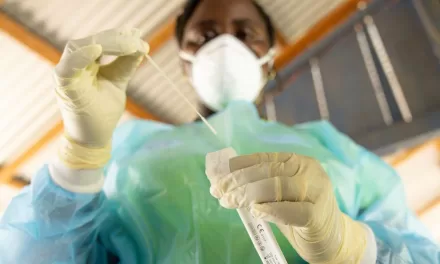
A central focus of the Chandigarh summit was fortifying regional and global health security against future health emergencies. Member countries endorsed the Terms of Reference for a new Sub-Working Group on the BRICS Integrated Early Warning System for Prevention and Response to Mass Infectious Diseases. This mechanism will facilitate cross-border disease surveillance, real-time data sharing, and coordinated public health responses.
Additionally, delegates reaffirmed their commitment to the BRICS Tuberculosis (TB) Research Network. According to data from the World Health Organization (WHO), BRICS nations collectively carry nearly 50% of the global TB burden. The network aims to accelerate collaborative research into novel diagnostics, therapeutics, and vaccine development to meet global elimination targets.
+-------------------------------------------------------------------------+
|                  BRICS 2026 HEALTH TRACK PRIORITIES                     |
+-------------------------------------------------------------------------+
|  1. BRICS TB Research Network Acceleration                              |
|  2. Regulatory Harmonization (BRICS GxP White Paper)                    |
|  3. Integrated Early Warning System for Infectious Diseases             |
|  4. Digital Health Architecture & Telemedicine Expansion                |
|  5. Mental Wellness Network (Coordinated by NIMHANS)                    |
|  6. Healthy Lifestyle Promotion (2026–2029 Roadmap)                      |
|  7. Traditional, Complementary & Integrative Medicine (TCIM)            |
|  8. Social Determinants of Health (DD-SDH) Operational Framework        |
|  9. BRICS Network of National Public Health Institutes                  |
+-------------------------------------------------------------------------+
Mental Health Take Center Stage: NIMHANS Named Coordinating Center
Recognizing mental health as an indispensable component of Universal Health Coverage (UHC), the summit announced the creation of the BRICS Network of Centres of Excellence on Mental Wellness.
India’s National Institute of Mental Health and Neurosciences (NIMHANS) has been designated as the central coordinating institution for the network. Alongside a newly established BRICS Training Hub Network, the initiative will focus on:
-
Workforce capacity building across member countries
-
Evidence-based mental health promotion strategies
-
Joint research aimed at closing the “treatment gap” for mental health conditions in low- and middle-income regions
“Establishing formal institutional networks for mental wellness across the Global South is a significant step forward,” says Dr. Aris Thorne, a global health policy researcher not involved in the proceedings. “Mental health interventions have historically been underfunded in multilateral agreements. Coordinating through established institutes like NIMHANS allows for culturally nuanced, scalable interventions.”
Digital Public Infrastructure and Regulatory Alignment
Addressing the meeting virtually, Union Minister of Health and Family Welfare Shri Jagat Prakash Nadda highlighted how digital public infrastructure can democratize access to healthcare. Citing domestic initiatives such as the Ayushman Bharat Digital Mission and the E-Sanjeevani telemedicine platform, the chairship released the BRICS Compendium on Digital Health Architecture for Continuum of Care, serving as a blueprint for extending virtual care to remote and underserved populations.
To streamline the delivery of safe and effective medical goods, delegates also released the BRICS GxP White Paper. Developed by regulatory authorities across member states, the document establishes guidelines for regulatory convergence, good manufacturing and clinical practices, and capacity building to ensure quality control across pharmaceutical supply chains.
Promoting Healthy Lifestyles and Addressing Social Determinants
Beyond emergency response and medical technologies, the declaration targeted the rising global burden of non-communicable diseases (NCDs) like cardiovascular conditions, diabetes, and hypertension. The ministers launched the BRICS Mission for Healthy Lifestyle alongside a strategic roadmap spanning 2026 to 2029, emphasizing preventive health through balanced nutrition, physical activity, and traditional food preservation.
Concurrently, delegates endorsed two strategic operational frameworks:
-
Diseases Driven by Social Determinants of Health (DD-SDH): A platform to target non-medical factors—such as poverty, sanitation, and education—that influence health outcomes.
-
BRICS Network of National Public Health Institutes (NPHIs): A mechanism to enhance institutional collaboration, public health intelligence, and evidence-based policymaking.
The meeting also supported ongoing research through the BRICS Vaccine Research and Development Centre, formal cooperation in nuclear medicine, and the establishment of an Expert Working Group on Traditional, Complementary, and Integrative Medicine (TCIM).
Implementation Challenges and Public Health Context
While independent health experts broadly welcomed the declaration, some point to long-standing execution hurdles in multilateral agreements.
“High-level ministerial consensus is critical for setting research priorities and lowering trade barriers for essential medicines,” notes Dr. Elena Rostova, an independent epidemiologist. “However, the true test lies in implementation—ensuring that data-sharing protocols respect national privacy laws, funding for collaborative research networks remains stable, and rural primary health centers actually receive the benefit of these digital architectures.”
As the 16th BRICS Health Ministers’ Meeting concluded, member states reiterated that the newly established operational frameworks will serve as permanent institutional mechanisms rather than temporary agreements, laying a structured path toward health equity across the Global South.
References
-
Press Information Bureau (PIB) Delhi. (2026, July 23). 16th BRICS Health Ministers’ Meeting Concludes Successfully under India’s BRICS Chairship 2026. Ministry of Health and Family Welfare, Government of India.
Medical Disclaimer: This article is for informational purposes only and should not be considered medical advice. Always consult with qualified healthcare professionals before making any health-related decisions or changes to your treatment plan. The information presented here is based on current research and expert opinions, which may evolve as new evidence emerges.