 0
0
 0
0
PATNA, BIHAR — Public health officials and animal resource departments in Bihar have launched a massive containment operation following the confirmation of Highly Pathogenic Avian Influenza (HPAI), commonly known as bird flu, at a premier research facility in the state capital.
On February 27, 2026, the Animal Resource Department oversaw the culling of approximately 6,000 chickens at the Poultry Research and Training Centre, operated by Bihar Animal Sciences University (BASU) in Kaushal Nagar. The facility, located in the high-traffic Chitkohra area near Patna’s Jayprakash Narayan International Airport, became the epicenter of the outbreak after laboratory tests confirmed the presence of the virus among the flock.
While the current risk to the general public remains low, the proximity of the outbreak to densely populated residential areas and the city’s zoo has prompted a rapid-response strategy aimed at preventing both economic fallout and potential zoonotic transmission—the jump of the virus from animals to humans.
The Containment Strategy: Zones and Restrictions
Following protocols established by the World Organisation for Animal Health (WOAH), the Patna District Magistrate has implemented a multi-tiered containment strategy:
-
The Infection Zone (1-km radius): All movement of poultry, eggs, and feathers is strictly prohibited. Access to the BASU farm area is restricted, and anyone entering must wear surgical masks and protective gear.
-
The Surveillance Zone (9-km radius): Movement of poultry products into or out of the municipal limits is banned unless accompanied by a government-issued sanitization certificate.
-
The Farming Ban: Poultry farming activities have been suspended for two months within the affected areas to ensure the viral cycle is broken.
“The speed of our response is critical,” stated an official from the Dairy, Fisheries, and Animal Resources Department. “By establishing a strict surveillance perimeter, we are not just protecting the poultry industry, but ensuring that the virus does not find a pathway into the local human population.”
Understanding the Virus: H5N1 and Public Health
Avian influenza is caused by type A influenza viruses. While these viruses naturally circulate among wild aquatic birds, they can be devastatingly lethal to domestic poultry like chickens and turkeys.
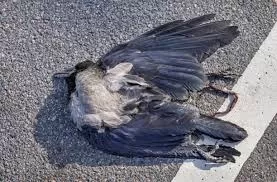
The primary concern for health officials is the potential for zoonotic transmission. While human infections are rare, they typically occur through direct contact with infected birds (alive or dead) or contaminated environments.
Symptoms to Watch For
In humans, the symptoms of avian flu can range from mild upper respiratory tract infections to severe pneumonia. According to the World Health Organization (WHO), early signs include:
-
High fever (often $>38$°C) and cough
-
Aching muscles and sore throat
-
In some cases, abdominal pain, chest pain, and diarrhea
“The public should not panic, but they must be vigilant,” says Dr. Arindam Ghosh, an infectious disease specialist (not affiliated with the BASU study). “The virus does not typically spread easily between humans. However, because influenza viruses are constantly mutating, every local outbreak in poultry requires a rigorous public health response to prevent the virus from adapting to human hosts.”
Impact on Local Landmarks: The Sanjay Gandhi Jaivik Udyan
The outbreak has sent ripples through Patna’s popular landmarks. The Sanjay Gandhi Jaivik Udyan (Patna Zoo), which houses a significant collection of exotic birds and peacocks, has moved into a “preventative lockdown” phase.
Though no cases have been reported within the zoo, authorities have mandated an eight-foot buffer zone between visitors and bird enclosures. Chemical disinfectants are being used at all entry points, and staff are undergoing daily health screenings.
Protecting Yourself: Practical Advice for Residents
For health-conscious consumers in Patna and surrounding districts, the following evidence-based precautions are recommended by the Centers for Disease Control and Prevention (CDC):
-
Avoid Direct Contact: Stay away from wild birds or poultry that appear sick or have died.
-
Safe Food Handling: While there is no evidence that bird flu can be transmitted through well-cooked food, the virus is heat-sensitive. Ensure poultry and eggs are cooked to an internal temperature of $74$°C ($165$°F).
-
Hand Hygiene: Wash hands frequently with soap and water, especially after handling raw poultry or visiting markets.
-
Report Unusual Deaths: If you notice a high number of dead birds in your locality, do not touch them. Report the sighting immediately to local municipal or veterinary authorities.
The Broader Context: A Global Challenge
The Patna outbreak is part of a larger global trend. In recent years, H5N1 strains have shown increased persistence in wild bird populations, leading to record-breaking outbreaks across Europe, the Americas, and Asia.
Critics and some environmental scientists argue that the density of urban poultry farming creates “evolutionary pressure” that allows the virus to spread more rapidly. However, the Animal Resource Department maintains that the BASU facility followed standard biosafety protocols, and the source of the infection—potentially migratory birds—is still under investigation.
“This incident highlights the ‘One Health’ approach,” explains Dr. Ghosh. “We cannot separate the health of our livestock from the health of our citizens. Effective veterinary surveillance is our first line of defense against the next human pandemic.”
Quality Checklist & Data Summary
| Category | Status | Details |
| Birds Culled | 6,000 | Chickens at BASU facility |
| Surveillance Zone | 9-km | Radius around Kaushal Nagar |
| Human Cases | 0 | No human infections reported in Patna to date |
| Cooking Safety | $74$°C | Minimum internal temp to kill the virus |
Medical Disclaimer: This article is for informational purposes only and should not be considered medical advice. Always consult with qualified healthcare professionals before making any health-related decisions or changes to your treatment plan. The information presented here is based on current research and expert opinions, which may evolve as new evidence emerges.
References