 0
0
 0
0
KALYANI, WEST BENGAL — The medical community in West Bengal is once again grappling with tragedy and unrest following the discovery of the decomposed body of Pulak Haldar, a final-year student at Kalyani Jawaharlal Nehru Memorial (KJN) Hospital and Medical College. While authorities initially moved toward a standard inquiry, the student’s family has publicly alleged murder, citing visible injuries and a history of campus intimidation.
The discovery, made on Thursday, February 26, 2026, has sent shockwaves through a healthcare education system still scarred by the 2024 R.G. Kar Medical College tragedy. As police await formal autopsy results, the case highlights the escalating concerns regarding student safety, mental health, and the “culture of intimidation” within medical institutions.
The Discovery and Preliminary Findings
Pulak Haldar, described by relatives as a meritorious and soft-spoken student, was last seen on February 20 at the hostel canteen. For six days, his absence went largely unnoticed by hostel administration until a pervasive, foul smell began emanating from his room on Thursday afternoon.
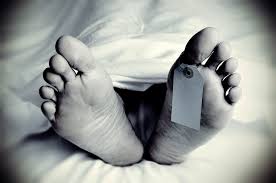
Upon breaking down the door, authorities found Haldar’s body in an advanced state of decomposition.
“This is not a natural death,” stated Sudhanshu Haldar, the deceased’s father. “There were visible injuries and cut marks on his body. We demand a fair investigation that does not mirror the delays we saw in the R.G. Kar case.”
Key Timelines:
-
Feb 20: Last confirmed sighting at the hostel canteen; last phone call with family.
-
Feb 21–25: Haldar remains unaccounted for; no formal missing person report filed by the college.
-
Feb 26: Discovery of the body following reports of a foul odor.
-
Feb 27: Forensic teams arrive; body sent for post-mortem examination.
Expert Perspective: The Forensic Reality
Determining the cause of death in a decomposed body presents significant challenges for forensic pathologists. Dr. Arpan Nayak, a forensic medicine consultant not involved in the case, explains that “putrefaction can often mask soft-tissue injuries or create ‘pseudo-injuries’ that look like bruises to the untrained eye.”
However, Dr. Nayak notes that “cut marks” mentioned by the family are distinct. “Sharp force trauma involves the severance of skin and underlying tissue. If these are present, the investigation must immediately pivot to a criminal homicide inquiry.”
A Climate of Fear: Bullying and “Sindicates”
The family’s suspicion is fueled by more than just physical evidence. According to Pulak’s relatives, the student had previously complained of being bullied and pressured by certain student groups. These allegations are particularly sensitive given the context of the 2024 R.G. Kar incident, which exposed “threat cultures” in several state-run medical colleges.
Reports suggest Haldar had faced friction during the protests following the 2024 incident. While some college sources hinted at “academic difficulties” as a possible stressor, student activists argue that academic pressure is often weaponized by campus “syndicates” to silence independent voices.
“The mental health of medical students is inextricably linked to the environment they live in,” says Dr. Meera Deshpande, a psychiatrist specializing in physician wellness. “When you combine high-stakes academics with a lack of administrative oversight in hostels, you create a vacuum where both foul play and mental health crises can go unnoticed for days.”
Public Health Implications: The Safety of Future Healers
The recurring nature of such incidents in West Bengal raises a critical public health question: Can a traumatized medical workforce safely care for the public?
Data from the National Medical Commission (NMC) suggests that the “burnout” and “attrition” rates among Indian medical students are among the highest in the professional world. However, when physical safety is added to the equation, the impact is two-fold:
-
Workforce Depletion: Prospective students may be deterred from entering the field.
-
Psychological Morbidity: Increased rates of PTSD and anxiety among surviving students, potentially leading to medical errors in future practice.
Challenges in the Investigation
Investigating officers have noted several hurdles:
-
Decomposition: The six-day interval between death and discovery complicates the toxicology report.
-
CCTV Gaps: Many hostel corridors lack functional surveillance, making it difficult to verify who entered or exited Haldar’s room.
-
Witness Silence: A “culture of silence” often persists in medical hostels due to fear of academic retribution.
Moving Forward: What This Means for the Community
For the general public and healthcare professionals, this case is a grim reminder of the need for institutional accountability.
“We need more than just an autopsy,” says Uttam Mondal, a relative. “We need to know why a student was missing for six days in a government-run hostel without anyone raising an alarm.”
The medical community is calling for:
-
Mandatory Digital Check-ins: Biometric or digital attendance for hostel residents.
-
Independent Grievance Cells: A way for students to report bullying without involving local college politicians.
-
Transparent Autopsies: Video-recorded post-mortems in high-profile cases to ensure public trust.
As the autopsy concludes this Friday, the eyes of the nation remain on Kalyani. Whether the findings point to a tragic personal struggle or a calculated crime, the case has already highlighted a systemic failure in protecting the very people trained to protect us.
Reference Section
-
IANS (Indo-Asian News Service), “Bengal medical student found dead in hostel room; family suspects murder,” February 27, 2026.
Medical Disclaimer: This article is for informational purposes only and should not be considered medical advice. Always consult with qualified healthcare professionals before making any health-related decisions or changes to your treatment plan. The information presented here is based on current research and expert opinions, which may evolve as new evidence emerges.