 0
0
 0
0
BHOPAL, INDIA — In a discovery that proves the human body still holds secrets despite centuries of medical study, researchers at the All India Institute of Medical Sciences (AIIMS) Bhopal have identified and characterized a “special gland” tucked away in the nasopharyngeal region. The findings, published this week in the peer-reviewed Journal of Anatomy, provide the first clear demonstration of a dedicated drainage duct for this tissue, confirming its status as an independent glandular structure rather than a mere extension of existing membranes.
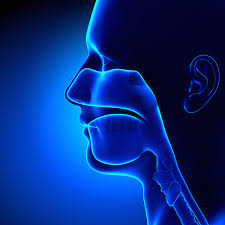
The research, led by a multidisciplinary team of six senior doctors, marks a significant milestone for Indian medical science. By pinpointing the exact location, size, and microscopic characteristics of this gland—situated behind the nose and in the upper part of the throat—the team has provided a new “map” for surgeons and oncologists working in one of the body’s most complex anatomical corridors.
Mapping the “Invisible”
The human nasopharynx is a small, air-filled space that connects the back of the nasal cavity to the throat. While the presence of minor salivary glands in this area has been noted in general terms previously, the AIIMS Bhopal team—comprising Drs. Sunita Arvind Athavale, Sheetal Kotgirwar, Manal M. Khan, Anshul Rai, Deepti Joshi, and Rekha Lalwani—utilized detailed microscopic examination to prove the existence of a distinct, independent system.
The breakthrough lies in the identification of a specific drainage duct emerging from the gland. In anatomical science, the presence of a dedicated duct is often the “smoking gun” that distinguishes a structured gland from simple surface-level secretory cells.
“This achievement proves that even in parts of the human body that have been studied for a long time, new and important information can still emerge,” said Prof. (Dr.) Madhabananda Kar, Executive Director and CEO of AIIMS Bhopal. “This discovery marks a significant and inspiring step forward in the field of medical science.”
Why This Discovery Matters for Patients
While the discovery of a new body part sounds like an academic exercise, the practical implications for patient safety are immediate, particularly in the fields of oncology and surgery.
1. Precision in Cancer Treatment
For patients undergoing radiotherapy for head and neck cancers, sparing healthy tissue is the primary goal. Radiation to salivary glands can lead to chronic dry mouth (xerostomia), which significantly impacts a patient’s quality of life, leading to difficulties in speaking, eating, and maintaining oral hygiene.
“A better understanding of this region will enable safer and more precise radiotherapy,” the institute noted in an official statement. By identifying this gland as a distinct entity, radiologists can now include it in their “avoidance maps” to minimize collateral damage during treatment.
2. Safer Surgical Navigation
The nasopharynx is a “high-rent district” of the human body, crowded with nerves, major blood vessels, and the openings of the Eustachian tubes (which regulate ear pressure).
“This discovery will help improve the accuracy and safety of head and neck surgeries,” Dr. Kar asserted. Surgeons operating on tumors or performing reconstructive work in this area now have a clearer understanding of the glandular structures they must navigate, reducing the risk of accidental injury or post-operative complications.
3. Improved Medical Imaging
Radiologists—the doctors who interpret MRIs and CT scans—rely on “normal” anatomical templates to identify “abnormal” growths. Identifying this gland helps clarify what constitutes healthy tissue in the nasopharynx, potentially reducing “false positives” where healthy glandular tissue might previously have been mistaken for a small tumor or inflammation.
Context: A New Era of “Macro-Anatomy”
For decades, many believed that human gross anatomy—the study of structures visible to the naked eye—was a “finished” book. However, the AIIMS Bhopal discovery follows a global trend of “rediscovering” the human body through advanced technology.
In 2020, researchers in the Netherlands identified what they called the “tubarial glands” in a similar region. The AIIMS Bhopal study builds upon this momentum, providing the rigorous microscopic and ductal evidence required to cement such findings in the official anatomical record.
Expert Perspectives
Independent experts suggest that while the discovery is groundbreaking, it also invites further investigation.
“The identification of a specific duct is the key here,” says Dr. Arvinder Singh, a senior consultant in head and neck surgery not involved in the study. “However, the next step for the scientific community will be to determine the exact chemical composition of the fluid this gland secretes. Is it purely respiratory lubricant, or does it contain specific immune enzymes? That will tell us even more about its role in our health.”
Limitations and Future Research
The AIIMS Bhopal study focused on clarifying the structure and location of the gland. While the team has confirmed its independence through its drainage system, the full physiological role of the gland remains a subject for future study. Researchers will likely now look at how this gland changes with age, how it reacts to common viral infections, and its specific role in the body’s first line of defense against inhaled pathogens.
What This Means for You
For the average person, this discovery is a reminder of the complexity of our biology. If you or a loved one are facing head and neck surgery or radiotherapy, this research contributes to a global body of knowledge that makes those procedures safer and more effective than they were even five years ago.
It underscores a vital message in modern medicine: The more accurately we map the human body, the more “personalized” and less invasive our treatments become.
References
Medical Disclaimer: This article is for informational purposes only and should not be considered medical advice. Always consult with qualified healthcare professionals before making any health-related decisions or changes to your treatment plan. The information presented here is based on current research and expert opinions, which may evolve as new evidence emerges.