 0
0
 0
0
Published: May 29, 2026 | Ahmedabad, India
AHMEDABAD, India — Gujarat health authorities have officially ruled out a localized Ebola scare after a 37-year-old businessman arriving from the Democratic Republic of Congo (DRC) tested negative for the virus, State Health Minister Praful Pansheriya announced Thursday. The confirmation brings swift relief to the region after four individuals were temporarily quarantined under strict precautionary protocols. The rapid response underscores India’s heightened vigilance as Central Africa battles an escalating outbreak declared a global emergency by the World Health Organization (WHO).
Key Findings: Quick Resolution of Suspected Case
The suspected case involved Amuri Lokula, a Congolese businessman who traveled from the DRC to Mumbai approximately 10 days before developing symptoms. According to the Gujarat Health Department, Lokula stayed in Mumbai for five days, spent four days in the Silvassa-Daman region, and reached Vadodara on May 22, where he subsequently developed a fever.
On Wednesday, state authorities moved quickly to quarantine four people—including Lokula and three individuals who had been in close contact with him—after he exhibited symptoms consistent with viral hemorrhagic fevers. All four were isolated at separate specialized facilities in Ahmedabad while blood samples were rushed for laboratory analysis.
“The report of the suspected patient of the infectious disease Ebola virus originating from Congo has come back negative,” Pansheriya stated in an official social media announcement. “Citizens are requested not to harbour any kind of fear or panic and to stay away from rumours, relying only on the official information provided by the Health Department.”
A senior Health Department source confirmed that while only the businessman from Congo required formal testing for the Ebola virus, the isolation of his contacts was a standard, mandatory precautionary measure. All four individuals have since been cleared of Ebola risk.
Global Context: WHO Declares International Emergency
The incident in Gujarat occurred against the backdrop of a severe, deteriorating health crisis in Central Africa. On May 17, 2026, the WHO Director-General determined that the ongoing Ebola outbreak caused by the Bundibugyo virus species in the DRC and Uganda constitutes a Public Health Emergency of International Concern (PHEIC).
As of May 21, 2026, the epidemiological data highlights the expanding footprint of the virus:
| Epidemic Metric | Cumulative Count (Central Africa) |
| Suspected Cases in DRC | 746 cases |
| Suspected Deaths in DRC | 176 deaths |
| Laboratory-Confirmed Cases | 85 cases (including 2 in Uganda) |
| Confirmed Deaths | 10 deaths (including 1 in Uganda) |
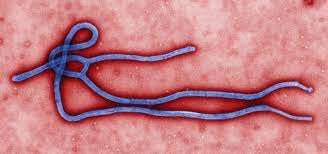
The current outbreak is driven by the Bundibugyo strain of the Ebola virus. While it is a rare species with an estimated case-fatality rate of 30% to 40%, it is notably less lethal than the more common Zaire strain, which historically carries a mortality rate reaching up to 90%. However, its unique virological profile presents distinct challenges for global health containment.
Critical Gap: No Approved Vaccine or Treatment for Bundibugyo Strain
Unlike the Zaire strain, which can be mitigated using the highly effective Ervebo vaccine and specific monoclonal antibody treatments, there are currently no approved therapeutics or vaccines targeting the Bundibugyo virus. This regulatory and medical gap is what led the WHO to classify the current international situation as “extraordinary.”
In the absence of a targeted cure, clinical management relies entirely on aggressive supportive care. The WHO emphasizes that early intervention—including intravenous fluids, electrolyte stabilization, and treating secondary infections—significantly lowers mortality and improves survival outcomes.
India’s Response: Enhanced Screening and Preparedness
In response to the international declaration, the Gujarat government has intensified screening protocols for passengers arriving from high-risk regions—specifically Uganda, the DRC, and South Sudan—at Sardar Vallabhbhai Patel International Airport (SVPIA) in Ahmedabad.
India’s proactive defense strategy includes several key components:
-
Specialized Isolation: Dedicated isolation wards have been fully equipped and staffed at Ahmedabad Civil Hospital, Surat Civil Hospital, and SVP Hospital.
-
Targeted Border Screening: Continuous monitoring and temperature checks of incoming international flyers from affected nations are being conducted at major ports of entry.
-
National Vigilance: Union Health Minister J P Nadda confirmed that no case of Ebola Virus Disease has been reported anywhere in India. Following a high-level review meeting, Nadda directed that “all preventive mechanisms remain fully alert and operational.”
Understanding Ebola: Transmission and Symptoms
To prevent public panic, medical authorities emphasize understanding how the virus behaves. Ebola symptoms typically manifest within 2 to 21 days after exposure (averaging 8 to 10 days). Initial symptoms are highly non-specific and mimic common tropical illnesses:
-
Sudden onset of fever
-
Severe headache
-
Muscle and joint pain
-
Acute weakness and fatigue
-
Sore throat
As the disease progresses, it causes systemic gastrointestinal and vascular issues, including vomiting, diarrhea, abdominal pain, and, in severe stages, unexplained bruising or bleeding.
Mechanisms of Transmission
The virus is not highly contagious in casual settings. It spreads strictly through:
-
Direct contact with the blood or bodily fluids (urine, feces, vomit, sweat, saliva, or semen) of an individual who is actively symptomatic or has died from the disease.
-
Fomite transmission, which involves touching objects (like needles or medical equipment) contaminated with infected fluids.
Crucial Fact: Ebola is not airborne, waterborne, or transmitted through routine food systems. Furthermore, individuals carrying the virus are not contagious until they begin showing physical symptoms.
Expert Commentary: A Balanced Perspective on Public Risk
Dr. Rajesh Kumar, an infectious disease specialist at the All India Institute of Medical Sciences (AIIMS), New Delhi, who was not involved in the Gujarat case, urged the public to maintain perspective.
“The negative test result in Ahmedabad is highly reassuring, but the incident demonstrates exactly why India’s enhanced screening protocols must remain active,” Dr. Kumar said. “Because the Bundibugyo strain lacks a preventative vaccine, rapid identification and isolation at the border are our primary lines of defense.”
Dr. Kumar also noted the clinical difficulty in diagnosing emerging pathogens during the initial stages of illness. “Fever in a traveler returning from an endemic zone will always trigger an alarm. However, statistically, the vast majority of these cases turn out to be far more common conditions like malaria, dengue, or severe influenza.”
Parallel Vigilance: Bengaluru Reports Similar Negative Result
The incident in Gujarat is not isolated. In a parallel development, a 28-year-old woman who recently arrived in Bengaluru from Uganda was isolated after showing potential symptoms. Her blood samples were dispatched to the apex testing facility, the National Institute of Virology (NIV) in Pune.
Karnataka Health Minister Dinesh Gundu Rao later confirmed that her tests were entirely negative for Ebola, reiterating that the state’s public health infrastructure successfully validated its emergency protocols without revealing any gaps in containment.
Study Limitations and Ongoing Monitoring
Despite the negative findings, epidemiologists note that public health monitoring must remain dynamic. A single negative PCR test in an early incubation phase may occasionally require a follow-up test if symptoms persist, which is why health officials maintain strict discharge protocols.
The WHO recently upgraded its regional risk assessment for the DRC to “very high” due to severe operational constraints on the ground, including:
-
Insecure conditions and civil unrest in affected African territories.
-
Inadequate local isolation facilities and fragmented referral systems.
-
Severe logistical hurdles in tracking contacts across porous international borders.
What This Means for Readers
Public health officials emphasize that there is absolutely no cause for public alarm or changes to daily routines within India.
-
No Need for Panic: Border screening is highly targeted, focusing strictly on individuals with recent travel history to the DRC, Uganda, or South Sudan.
-
Combat Misinformation: Avoid sharing unverified health alerts on social media. Rely exclusively on bulletins issued by the Union Ministry of Health or State Health Departments.
-
Traveler Vigilance: Any individual who has traveled to Central Africa within the last 21 days and experiences a sudden fever should isolate immediately and contact health authorities.
As a definitive preventive measure, the Indian government issued a formal travel advisory, urging citizens to defer non-essential travel to the Democratic Republic of Congo, Uganda, and South Sudan until the outbreak is contained.
Medical Disclaimer
This article is for informational purposes only and should not be considered medical advice. Always consult with qualified healthcare professionals before making any health-related decisions or changes to your treatment plan. The information presented here is based on current research and expert opinions, which may evolve as new evidence emerges.
References
Primary News Sources
-
NDTV. (2026, May 28). Ebola Scare In Gujarat Ruled Out After Traveller Tests Negative. [NDTV Health News].