 0
0
 0
0
NEW DELHI — Osteoarthritis (OA), long dismissed as an inevitable “wear-and-tear” condition reserved for the elderly, is undergoing a drastic demographic and clinical shift. Medical professionals are now routinely diagnosing the degenerative joint disease in adults as young as 30 years old.
A groundbreaking review published on May 15, 2026, in the peer-reviewed medical journal International Orthopaedics formally reframes the condition. Rather than a singular, age-driven disease amenable to a one-size-fits-all treatment, researchers now define osteoarthritis as a complex, heterogeneous syndrome driven by diverse biological, biomechanical, metabolic, genetic, and molecular mechanisms.
This clinical redefinition arrives at a critical moment for global public health. According to Global Burden of Disease estimates, the prevalence of osteoarthritis has surged by 132% globally over the past 30 years. Today, more than 500 million people—representing approximately 7.6% of the world’s population—live with the condition. Alarmingly, epidemiologists project that these numbers will rise by another 60% by the year 2050, fueled in large part by an uptick in early-onset cases.
Younger Patients, Different Drivers
The traditional image of the osteoarthritis patient is rapidly changing in clinical settings worldwide. The steep rise in young-adult diagnoses is largely propelled by changing global lifestyles, altering how orthopaedists approach early joint degradation.
“Osteoarthritis is no longer confined to the elderly. We are now seeing patients as young as 30, often driven by obesity and sedentary lifestyles,” notes Dr. Raju Vaishya, senior consultant Orthopaedic and Joint Replacement Surgeon at Indraprastha Apollo Hospitals in New Delhi and lead author of the review.
GLOBAL OA PREVALENCE SURGE
┌────────────────────────────────────────────────────────┐
│ Past 30 Years: ───▲ 132% Increase                      │
│ Current Status: ──► 500+ Million People Affected       │
│ By 2050: ─────────▲ Projected 60% Further Increase     │
└────────────────────────────────────────────────────────┘
The burden is particularly pronounced in developing nations experiencing rapid urbanization. In India alone, over 62 million people are currently affected by osteoarthritis. Hospital-based data reveals a sharp increase in early-onset cases closely mirrored by rising metabolic health concerns.
A recent study by the Indian Council of Medical Research (ICMR) highlighted this shifting landscape, finding that every fifth Indian household has all adults classified as overweight. In urban centers and specific regions—such as Kerala, Manipur, and Sikkim—over 30% of families fall into this category.
Demographic data further establishes that women, individuals living with obesity, and anyone with a history of prior joint injuries are disproportionately affected by early joint failure worldwide.
Six Distinct Subtypes Demand Tailored Treatment
The International Orthopaedics review argues that the historical failure of standard osteoarthritis therapies stems from treating all joint degeneration identically. The authors identified six distinct disease subtypes—including inflammatory, metabolic, and pain-sensitization variants—each driven by entirely different underlying pathology.
“This research makes clear that osteoarthritis is not a single disease but a spectrum of conditions,” explains Dr. Vaishya. “Recognising the specific phenotype in each patient allows us to deliver far more effective, personalised treatment than a one-size-fits-all approach.”
By identifying the specific biological driver, physicians can move away from merely prescribing lifestyle adjustments or generic pain management. For instance, treating an inflammatory subtype requires vastly different therapeutic interventions than managing a biomechanical subtype caused by joint misalignment.
Real-World Case: The 33-Year-Old IT Professional
To illustrate the efficacy of phenotype-targeted care, the review highlights the case of a 33-year-old information technology professional presenting with persistent knee pain.
Instead of receiving standard anti-inflammatory medication, an evaluation revealed a specific cluster of metabolic drivers: severe vitamin D deficiency, an elevated Body Mass Index (BMI), and early-stage joint degeneration.
Classified as metabolic osteoarthritis, the patient’s treatment plan was customized to include:
-
Targeted weight management to reduce biomechanical load
-
High-dose vitamin supplementation to support bone metabolism
-
A structured physical exercise regimen to stabilize the joint
By addressing the root metabolic causes rather than just masking the symptoms, the patient achieved significant clinical improvement and halted early joint degradation.
Advanced Diagnostic Tools on the Horizon
To transition precision medicine from theory into daily practice, the review recommends integrating advanced structural imaging and biochemical testing. Researchers advocate for MRI-based structural phenotyping paired with specific biomarker panels to categorize a patient’s exact subtype before designing a treatment protocol.
┌─────────────────────────────────────────────────────────────────────────┐
│                       OA DIAGNOSTIC INNOVATIONS                        │
├─────────────────────────────────────┬───────────────────────────────────┤
│        MRI STRUCTURAL PHENOTYPES    │       MOLECULAR ENDOTYPES         │
├─────────────────────────────────────┼───────────────────────────────────┤
│ • Inflammatory                      │ • Low tissue turnover             │
│ • Meniscus-cartilage                │ • Structural damage               │
│ • Subchondral bone                  │ • Systemic inflammation           │
│ • Atrophic & Hypertrophic           │                                   │
└─────────────────────────────────────┴───────────────────────────────────┘
Concurrently, clinicians are evaluating specific molecular biomarkers to track cartilage degradation in real-time. Key indicators include:
-
COMP (Cartilage Oligomeric Matrix Protein)
-
CTX-II (Collagen Type II Cleavage)
-
hsCRP (High-Sensitivity C-Reactive Protein)
Emerging technologies, including Artificial Intelligence (AI)-assisted MRI scoring and PET-MRI imaging utilizing 18F-NaF (fluoride), are showing immense promise in detecting microscopic joint changes years before they appear on standard X-rays.
Understanding Osteoarthritis: Signs and Symptoms
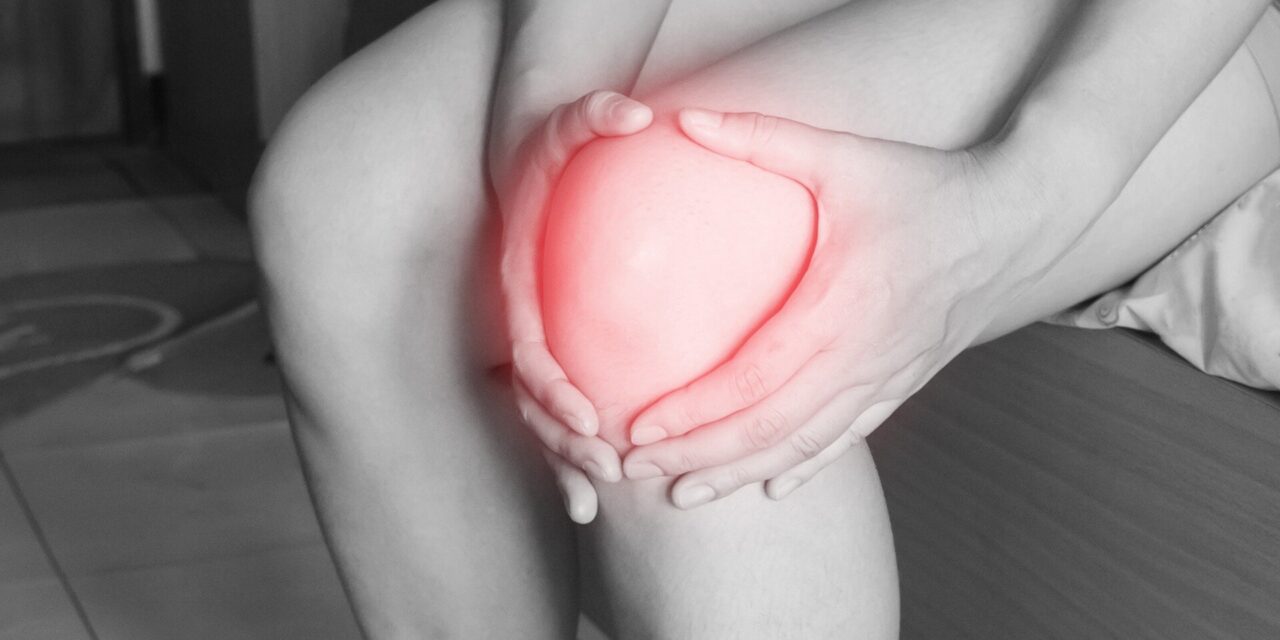
Osteoarthritis occurs when the protective cartilage that cushions the ends of bones wears down over time. While it can develop in almost any joint, it most frequently damages the knees, hips, hands, and spine.
Recognizing the early warning signs is vital for preventing long-term disability, especially for younger adults who might otherwise dismiss joint discomfort.
Common Symptoms to Watch For:
-
Persistent Joint Pain: Deep, aching pain that may worsen during or after movement.
-
Morning Stiffness: Joint stiffness that is particularly noticeable upon awakening or after periods of inactivity, typically lasting under 30 minutes.
-
Inflexibility: Loss of range of motion, making it difficult to fully bend or extend the affected limb.
-
Physical Changes: Localized swelling, joint enlargement, or a visible thickening of the joint tissues.
-
Crepitus: A distinct grating, popping, or crackling sensation felt or heard during joint movement.
-
Muscle Atrophy: Progressive weakness in the muscles immediately surrounding the compromised joint.
Prevention and Bridging the “Care Gap”
For individuals in their 30s and 40s, preventative lifestyle interventions are crucial. Independent sports medicine experts emphasize that maintaining a healthy weight, staying consistently active, avoiding prolonged sedentary behavior, and utilizing proper ergonomics during physical activity can significantly mitigate early risk.
However, younger patients present a unique clinical dilemma known as the “care gap.” These individuals are often too young or have cases too mild to justify total joint replacement surgery, yet they face decades of living with the disease. Relying entirely on chronic NSAID (anti-inflammatory) use manages symptoms but fails to slow down underlying joint structural stress.
To bridge this gap, physical therapists and orthopaedists are increasingly utilizing gait retraining. By using specialized biofeedback to alter how a person walks, runs, or distributes weight, clinicians can mechanically offload pressure from damaged areas of a joint, preserving cartilage health without early surgical intervention.
Limitations and Challenges in Precision Medicine
Despite the promise of personalized care, independent experts note several significant hurdles before these protocols can be implemented universally.
First, many patients display overlapping phenotypes, making distinct categorization difficult. Second, while biomarkers like COMP and CTX-II are highly useful in research settings, there is a current lack of globally validated, commercially accessible diagnostic kits for routine clinic visits.
Finally, widespread clinical adoption of AI-assisted diagnostics and advanced PET-MRI scanning faces steep financial and logistical hurdles. Standardizing these protocols across different healthcare systems and validating them across multiple joints will require substantial financial investment and large-scale, multi-center clinical trials.
Public Health Implications
With global cases projected to skyrocket over the next quarter-century, healthcare infrastructure must pivot to accommodate a massive influx of working-age patients suffering from chronic joint issues. The economic toll of untreated, early-onset osteoarthritis via lost workplace productivity and long-term disability could be profound.
Transitioning from a reactive model of joint care to a proactive, personalized framework could drastically improve long-term patient outcomes, potentially preventing thousands of premature surgeries.
For younger adults experiencing lingering joint issues, the medical consensus has shifted: do not assume a clicking or aching knee is simply an inevitable sign of aging. Early evaluation, precise phenotyping, and target-driven lifestyle adjustments are essential tools to protect joint longevity and maintain long-term mobility.
References
- https://www.ndtv.com/health/living-healthy/osteoarthritis-cases-surge-in-people-in-their-30s-experts-call-for-personalised-care-11600501/amp/1
Medical Disclaimer: This article is for informational purposes only and should not be considered medical advice. Always consult with qualified healthcare professionals before making any health-related decisions or changes to your treatment plan. The information presented here is based on current research and expert opinions, which may evolve as new evidence emerges.