 0
0
 0
0
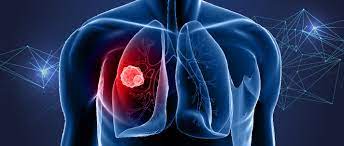
MELBOURNE — In a major shift toward precision oncology, an international team of scientists has identified a 14-protein “blood signature” that can predict a person’s risk of developing lung cancer more than five years before a formal diagnosis.
The breakthrough study, published June 4, 2026, in the journal Cell, marks a critical turning point in oncology. For decades, the medical community has focused on detecting tumors as early as possible. This new research flips the script, mapping out a “pre-disease” phase. It opens a window of opportunity to intervene with preventative therapies before a tumor even forms.
The study was a massive collaborative effort led by researchers at the Francis Crick Institute, University College London (UCL), and Australia’s Walter and Eliza Hall Institute of Medical Research (WEHI). By using machine learning to analyze tens of thousands of blood samples, the team discovered that the biological warning signs of lung cancer are rippling through our vascular systems years earlier than previously thought.
Mapping the Inflammatory Frontier
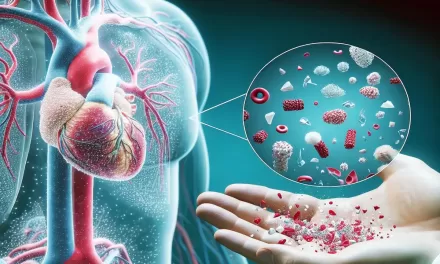
To uncover this protein signature, researchers deployed advanced machine learning algorithms to screen over 48,000 blood samples stored in the UK Biobank. The technology successfully isolated 14 specific proteins whose elevated levels strongly correlated with a future lung cancer diagnosis within a five-year window.
To ensure the accuracy of their findings, the team validated the 14-protein signature across eight separate, international datasets spanning five continents. Crucially, this included a cohort from Taiwan comprised almost entirely of individuals who had never smoked.
What makes this discovery fundamentally different from existing liquid biopsies (blood tests that look for circulating tumor DNA) is its biological origin:
-
Not From the Tumor: The identified proteins are not shed by active cancer cells.
-
An Environmental Warning: Instead, the signature reflects a highly altered, inflammatory microenvironment within the lung tissues.
“The signature reflects an altered inflammatory lung environment before cancer takes hold,” explains Tej Pandya, a clinical PhD student at the UCL Institute of Health Informatics and visiting scientist at the Crick Institute, who spearheaded the machine learning analysis. “It’s a proof of concept that, one day, we could use this signature to offer preventive treatment to people at risk of lung cancer.”
Challenging the Global Killer
The public health implications of a predictive lung cancer test are staggering. According to data from the World Health Organization (WHO) and the International Agency for Research on Cancer (IARC), lung cancer remains the leading cause of cancer mortality worldwide. In 2022 alone, the disease claimed an estimated 1.8 million lives out of 2.5 million new cases.
While tobacco use remains the primary driver—responsible for roughly 85% of cases—environmental triggers like outdoor air pollution, traffic exhaust, and occupational exposures are rapidly driving up incidence rates among non-smokers. In Australia, for instance, approximately 25% of the 15,000 people diagnosed annually have no history of smoking.
Despite these shifting demographics, standard clinical guidelines for lung cancer screening remain strictly conservative. Currently, screening programs are limited to low-dose computed tomography (LDCT) scans for individuals aged 50 to 70 who possess a heavy history of smoking. This criteria leaves a massive portion of the at-risk population—including non-smokers exposed to carcinogens—completely vulnerable and without early detection options.
The “Holy Grail” of Cancer Prevention
Medical experts view this discovery as a conceptual leap forward, drawing direct parallels to how cardiology manages heart disease.
“Figuring out who is at risk of developing cancer is the holy grail of cancer prevention medicine,” said Dr. Clare Weeden, a WEHI laboratory head and co-corresponding author on the study. “This proof-of-concept study offers new ideas that could fill this critical knowledge gap. In doing so, these findings bring us closer to a future where early intervention is possible, even before the cancer has a chance to develop.”
Professor Charles Swanton, Clinical Research Director at the Francis Crick Institute and senior author of the paper, notes that oncology currently lacks the preventative frameworks common in other medical fields.
“Drugs like statins have transformed the prevention of cardiovascular disease, used to treat individuals with high low-density lipid (LDL) cholesterol,” Professor Swanton points out. “But we don’t yet have an LDL-like marker of risk or a statin for lung cancer. Finding a signal for an inflammatory state in the lungs has given us insight into this window of opportunity, when preventative treatment could work best.”
The Inflammation-Cancer Connection
The paper lends significant weight to an emerging medical consensus: many chronic, age-related illnesses sprout from a shared, presymptomatic soil of systemic inflammation.
Using cellular and animal models, the research team demonstrated that the 14 identified proteins spike when a specific biological pathway is activated. Both tobacco smoke and particulate air pollution trigger this identical pathway. This suggests that environmental toxins do not merely cause random genetic mutations; they actively cultivate a chronic inflammatory environment that coaxes those mutations into active malignancies.
“Smoke causes mutations and inflammation, which together cause cancer,” Swanton summarized.
Interestingly, the study also revealed that this 14-protein signature was elevated in patients who later developed Chronic Obstructive Pulmonary Disease (COPD) and pulmonary fibrosis. This indicates a common inflammatory intersection upstream of all three debilitating respiratory conditions.
[ Toxins: Smoke / Air Pollution ]
               │
               ▼
   [ Activates Inflammatory Pathway ]
               │
               ▼
   [ Elevated 14-Protein Signature ] ───► (Detectable via blood test 5+ years prior)
               │
               ▼
┌───────────────────────┼───────────────────────┐
│                       │                       │
▼                       ▼                       ▼
[ Lung Cancer ]     [ COPD ]            [ Pulmonary Fibrosis ]
From Prediction to Prevention
If clinicians can identify high-risk individuals five years ahead of time, the next logical question is: How do we protect them?
The study points to targeted, anti-inflammatory pharmacology. Specifically, drugs designed to block an inflammatory molecule known as interleukin-1 beta ($IL-1\beta$) could theoretically halt tumor promotion in individuals exhibiting the high-risk signature.
The concept is backed by clinical history. The team pointed to data from the historic CANTOS clinical trial, which evaluated an anti-inflammatory drug called canakinumab ($IL-1\beta$ inhibitor). While the trial was designed to look at cardiovascular events, retrospective analysis showed that canakinumab nearly halved the incidence of lung cancer among a subset of patients.
Historically, utilizing such powerful medications for cancer prevention was impractical because the “number needed to treat” (NNT)—the number of patients who must receive a therapy for one to benefit—was unacceptably high. By utilizing this new 14-protein signature, physicians can narrow the patient pool, treating only those in the highest tier of risk.
Limitations and the Road to the Clinic
While outside health advocates and independent researchers have lauded the findings, they emphasize that the science is in its infancy. This is a foundational proof-of-concept study, meaning a commercial, routine blood test is not yet available at local clinics or hospitals.
“By revealing the earliest warning signs of cancer, this research brings us closer to intervening sooner and potentially stopping the disease before it starts,” said Hayley Brown, Research Information Manager at Cancer Research UK. However, Brown added that substantial clinical validation, regulatory approvals, and manufacturing scaling must occur before this discovery alters routine care.
Translating a multi-protein machine learning panel into a highly reliable, affordable, and widely accessible public health tool typically takes several years of dedicated clinical trials.
What This Means for Your Health
For the general public and health-conscious consumers, this study offers immediate, actionable context for daily life:
-
Recognize Ambient Risks: The data reaffirms that lung cancer is not exclusively a smoker’s disease. Minimizing prolonged exposure to severe air pollution, occupational dust, and secondhand smoke is a vital preventative measure.
-
Understand Chronic Intersections: Individuals living with inflammatory lung conditions, such as COPD or asthma, should maintain close relationships with their pulmonologists, as these diseases share root inflammatory pathways with oncological risks.
-
Maintain Current Screening Protocols: Because this blood panel remains in development, eligible individuals (those aged 50–70 with a significant smoking history) must continue to rely on standard annual low-dose CT scans as recommended by their physicians.
While a simple blood test at an annual physical to check your lung cancer risk remains a future milestone, this study proves that the biological roadmap to preventing the world’s deadliest cancer is finally within our sight.
Medical Disclaimer
This article is for informational purposes only and should not be considered medical advice. Always consult with qualified healthcare professionals before making any health-related decisions or changes to your treatment plan. The information presented here is based on current research and expert opinions, which may evolve as new evidence emerges.
References
- https://ddindia.co.in/2026/06/australian-study-identifies-early-blood-marker-for-lung-cancer-risk/