 0
0
 0
0
June 8, 2026
TORONTO — In a major development that could reshape daily health management for millions of people worldwide, a new landmark systematic review and meta-analysis reveals that continuous glucose monitoring (CGM) systems offer significant health benefits for individuals with type 2 diabetes who do not require insulin therapy. Published in Diabetes, Obesity and Metabolism, the study challenges long-standing clinical guidelines that have historically restricted insurance coverage and medical recommendations for these wearable sensors primarily to patients requiring daily insulin injections.
The rigorous analysis, compiled by an expert panel of eight Canadian endocrinologists and family physicians, evaluated data from eight randomized controlled trials (RCTs) comprising 541 participants. Among the cohort, 297 individuals were assigned to use a CGM. The researchers discovered that real-time tracking significantly lowers blood sugar levels and increases the time patients spend within a safe, healthy glucose range.
Key Findings: Significant Glycemic Improvements
For individuals managing type 2 diabetes without insulin—relying instead on oral medications like metformin, lifestyle adjustments, or newer classes of drugs like GLP-1 receptor agonists—the meta-analysis proved that tracking glucose trends in real time yields robust clinical improvements.
The consolidated data revealed statistically significant advancements across three primary markers of diabetes control:
| Glycemic Outcome | Average Improvement | Statistical Significance |
| HbA1c Reduction (Average blood sugar over 3 months) | -0.37% | $p < 0.00001$ |
| Time in Range (TIR) Increase (Hours spent in safe glucose zones) | +8.84% | $p < 0.0001$ |
| Time Above Range Decrease (Hours spent in dangerous spikes) | -8.14% | $p = 0.0004$ |
“These findings provide additional evidence to support CGM use among people living with type 2 diabetes who are not using insulin therapy,” noted lead author Dr. Ronnie Aronson, an endocrinologist at LMC Diabetes & Endocrinology in Toronto.
Crucially, the researchers noted a heterogeneity score of $I^2 = 0\%$, meaning the positive results were remarkably consistent across all the analyzed clinical trials, regardless of the specific patient demographics or the brand of CGM device utilized.
Moving Beyond Blood Sugar: Behavioral Change and Fewer Hospitalizations
Traditional blood glucose monitoring (BGM) relies on a patient pricking their finger with a lancet to test a single drop of blood on a strip. This only provides a static snapshot of blood sugar at that exact moment.
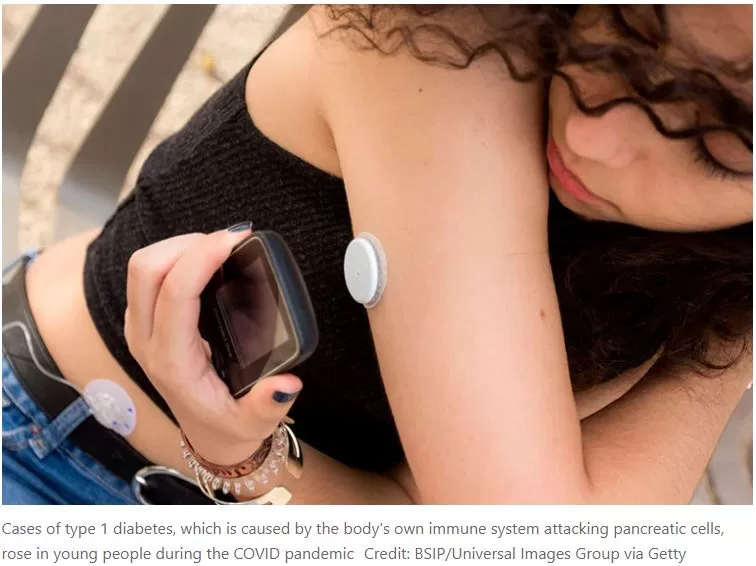
In contrast, CGM devices utilize a tiny sensor inserted just beneath the skin to continuously measure glucose levels in the fluid between cells (interstitial fluid). It transmits data dynamically to show whether blood sugar is rising, falling, or stable.
Medical experts point out that this immediate biofeedback acts as a powerful behavioral tool. When patients can see an immediate visual representation of how a walk around the block lowers their blood sugar—or how a carbohydrate-heavy meal spikes it—they can make rapid, informed lifestyle choices.
Traditional Finger Pricks (BGM):  [Snapshot] ----------> [Snapshot] ----------> [Snapshot]
Continuous Monitoring (CGM):     [~~~~~~~~~~~~~~~~~~ Continuous Trend Line ~~~~~~~~~~~~~~~~~~]
This behavioral shift translates directly into real-world health outcomes. In an accompanying analysis of a large Canadian provincial health database tracking 20,253 people with type 2 diabetes, researchers looked closely at 2,206 individuals utilizing oral therapies alone. Following CGM adoption, HbA1c levels declined by 0.6% for patients aged 65 and under, and by 0.3% for those over 65.
Furthermore, data published in late 2024 revealed that the benefits of continuous monitoring extend to keeping patients out of the emergency room. The research showed a definitive reduction in overall hospitalization risks for type 2 diabetes patients using CGMs, with the protective benefits remaining equally strong whether the patient used insulin or not.
Understanding the Technology: The Four CGM Categories
As the market expands, healthcare professionals and consumers typically choose between four distinct categories of continuous tracking technology:
-
Intermittently Scanned CGM (isCGM): Requires the user to manually wave a smartphone or reader over the sensor to update their glucose charts (e.g., Abbott FreeStyle Libre systems).
-
Real-Time CGM (rtCGM): Automatically broadcasts glucose data to a smartphone or smart device every few minutes via Bluetooth, offering customizable alarms for high and low thresholds (e.g., Dexcom G6/G7).
-
Professional CGM: Retrospective devices worn by a patient for a short period, where data is downloaded and interpreted exclusively by a physician to identify hidden patterns.
-
Over-the-Counter CGM: A newer subset of simplified real-time monitors available without a doctor’s prescription, geared toward broader wellness and metabolic tracking.
Modern systems boast high clinical accuracy, with Mean Absolute Relative Difference (MARD) scores hovering between 7.9% and 12.3% (a lower MARD percentage indicates higher accuracy, with newer devices like the Dexcom G7 achieving an 8.2% rating).
Expert Commentary: A Paradigm Shift in Diabetes Care
For years, major medical organizations reserved their strongest recommendations for CGM technology for individuals with type 1 diabetes or advanced type 2 diabetes requiring complex insulin regimens. This was largely because early clinical trials focused almost entirely on those populations.
This new meta-analysis adds to a growing movement to democratize the technology. The American Diabetes Association (ADA) updated its Standards of Care, acknowledging that CGM use is well established in type 2 diabetes due to its superior ability to improve glycemic control compared to intermittent finger sticks.
Dr. Marie McDonnell, an endocrinologist not involved in the meta-analysis study, agreed that the clinical landscape is changing. “Continuous glucose monitoring can help patients with type 2 diabetes meet glycemic goals,” Dr. McDonnell noted in commentary regarding the evolving care guidelines, emphasizing that visual trends give patients a sense of autonomy over their metabolic health.
Limitations and Counterarguments
While the evidence supporting CGM expansion is strong, independent experts urge a balanced perspective, pointing out several limitations highlighted in the review:
-
Socioeconomic and Cost Barriers: Cost remains the most substantial hurdle. The expert panel noted that for CGMs to remain strictly cost-effective for non-insulin users, maximum annual device costs need to stay between $1,920 and $2,316. Because many insurance providers do not yet fully cover CGMs for non-insulin users, out-of-pocket expenses can be prohibitive.
-
Conflicting Trial Evidence: Not every study analyzed showed uniform success. For instance, Singapore’s GLiMPSE trial and England’s LIBERATES trial found non-significant differences in HbA1c or Time in Range between CGM users and traditional finger-stick groups.
-
Intervention Overlap: In trials like the IGNITE study, which placed both groups on a strict, medically supervised ketogenic diet, both arms saw massive health improvements. The study authors concluded that intensive dietary intervention essentially “overpowered” any independent technological advantage the CGM provided.
Practical Takeaways for Patients and Providers
For patients looking to discuss this technology with their primary care providers, the Canadian expert panel suggested several pragmatic guidelines:
-
Target High Baselines: The absolute clinical benefit of a CGM is highest for patients possessing an elevated baseline HbA1c of 7.5% or greater.
-
Pair with Education: Technology works best when paired with structured diabetes self-management education. Simply wearing a sensor is less effective if the patient does not know how to interpret the data.
-
Select Based on Lifestyle: Real-time CGMs are ideal for those who want proactive alerts for sudden spikes or drops, while intermittently scanned devices are often preferred by individuals seeking a lower-profile, less intrusive option.
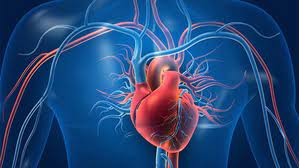
With type 2 diabetes accounting for roughly 90% to 95% of all diabetes diagnoses globally, scaling effective, proactive management tools to the non-insulin-dependent population represents a massive public health opportunity. By flattening the curve of blood sugar spikes early in the disease progression, healthcare systems may ultimately prevent severe long-term cardiovascular, renal, and neurological complications.
Medical Disclaimer
This article is for informational purposes only and should not be considered medical advice. Always consult with qualified healthcare professionals before making any health-related decisions or changes to your treatment plan. The information presented here is based on current research and expert opinions, which may evolve as new evidence emerges.
References
-
Medscape Medical News. “CGM Monitoring Benefits Extend to Non-Insulin-Using T2D.” Published June 7, 2026.