 0
0
 0
0
A landmark international study reveals that the “exposome”—the cumulative effect of social inequality and physical pollutants—can increase the risk of accelerated brain aging by up to nine times.
In the quest to understand why some people remain sharp into their 90s while others face early cognitive decline, science has long focused on genetics and individual lifestyle choices. However, a groundbreaking study published in Nature Medicine suggests that the air we breathe, the neighborhoods we inhabit, and the economic structures we live under may play a far more decisive role than previously understood.
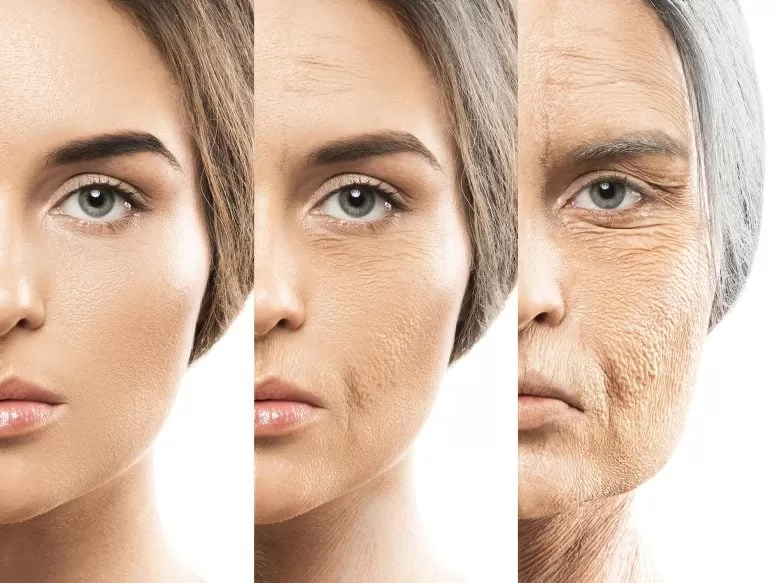
Researchers from the Global Brain Health Institute (GBHI), analyzing data from nearly 19,000 individuals across 34 countries, have discovered that combined physical and social environmental factors can multiply the risk of accelerated brain aging by up to nine-fold. This “syndemic” effect—where multiple stressors interact and amplify one another—reveals that for many, the brain is biologically much older than the date on their birth certificate.
Measuring the “Brain Age Gap”
To quantify this phenomenon, the research team developed sophisticated “brain clocks” using deep learning models trained on MRI and Electroencephalogram (EEG) data. These clocks calculate a brain age gap: the difference between a person’s biological brain age and their actual chronological age.
The findings were stark. While clinical diagnoses like dementia certainly widen this gap, the study found that the “exposome burden”—the total lifetime exposure to environmental hazards—explained significantly more variation in brain aging than any single isolated factor.
The Physical Impact: Pollutants and Concrete
Physical exposures were found to target specific structural regions of the brain responsible for memory and emotional regulation. Key stressors included:
-
Air Pollution and Water Quality: Fine particulate matter and contaminants can trigger neuroinflammation, a state of chronic immune activation in the brain.
-
Lack of Green Spaces: Limited access to parks and natural environments was linked to higher levels of oxidative stress and reduced cognitive restoration.
-
Extreme Temperatures: Climate-related stressors were shown to impact vascular health, potentially leading to tissue degeneration over time.
The Social Impact: The Weight of Inequality
The study highlighted that social environments are just as biological as physical ones. In countries with high socioeconomic inequality, researchers observed accelerated aging in brain regions governing social behavior and complex cognition.
“This work provides a quantitative framework to understand how multiple environmental exposures jointly shape brain aging beyond individual determinants,” says Agustina Legaz, GBHI fellow and the study’s first author.
A Global Perspective on Brain Health
The research spanned a diverse array of populations, from high-income nations to low- and middle-income countries (LMICs) in Latin America, the Caribbean (LAC), and Asia, including India.
The data revealed a troubling trend: individuals in regions with high disparities, particularly women in Latin America, showed the largest brain age gaps. This suggests that the intersection of biological sex, health access, and social status creates a compounding “weathering” effect on the brain.
Dr. Daniel Abasolo, Head of Biomedical Engineering at the University of Surrey, who was not involved in the research, noted the implications of these regional differences. “Our research shows that in countries where inequality is higher, people’s brains tend to age faster,” Dr. Abasolo explains. “Factors like socioeconomic inequality and air pollution play a big role, particularly in poorer countries.”
The Syndemic Effect: Why 1+1 Equals 9
The most significant takeaway for public health is the non-linear nature of these risks. When modeled together, 73 country-level indicators explained up to 15 times more variation in brain aging than any single factor alone.
Essentially, living in a polluted area is detrimental; however, living in a polluted area while experiencing poverty and lack of social support creates a synergistic effect that aggressively erodes brain resilience. This aligns with recent findings from the University of Oxford, which identified air pollution alongside diabetes and alcohol consumption as top modifiable risks for a specific “weak spot” in the brain that is particularly vulnerable to early degeneration.
Practical Implications: Moving from Individual to Systemic Change
For the general public, these findings shift the conversation from “What can I do?” to “What can we do?” While individual habits like diet and exercise remain vital, the study suggests that public policy is a form of preventive medicine.
For Policy Makers and Urban Planners
-
Exposome-Friendly Cities: Prioritizing initiatives like India’s National Clean Air Programme or increasing urban tree canopies could measurably slow brain aging at a population level.
-
Social Protections: Strengthening social safety nets is not just an economic policy but a neurological one, as it reduces the chronic stress that drives cognitive decline.
For Individuals and Healthcare Providers
-
Mitigation Strategies: In high-pollution zones, using HEPA air purifiers and seeking out social connection can help buffer some environmental impacts.
-
Early Screening: In the future, “brain clocks” could be used in clinical settings to identify high-risk individuals decades before the onset of symptoms like Alzheimer’s, allowing for targeted interventions.
Limitations and the Road Ahead
While the study is one of the most comprehensive of its kind, researchers urge a nuanced interpretation. The data is associative, meaning it shows a strong link between environment and brain age, but it does not definitively prove that one causes the other.
Critics also point out that country-level data can sometimes mask the vast differences between a quiet rural village and a dense, industrial city within the same nation. Furthermore, while the study accounted for many factors, genetic predispositions and individual dietary habits also play significant roles in the aging process.
“The inclusion of multiple countries and clinical groups highlights the global diversity of syndemic effects on brain health,” says co-lead author Hernan Hernandez. This diversity is key to moving toward “personalized medicine” that considers a patient’s zip code as much as their genetic code.
Conclusion
As the global population ages—with dementia cases expected to triple to 150 million by 2050—understanding the environmental drivers of brain health is no longer optional. This research serves as a powerful reminder that the health of our minds is inextricably linked to the health of our societies and our planet.
Reference Section
- https://www.ndtv.com/health/physical-social-factors-may-together-account-for-up-to-9-times-higher-risk-of-faster-brain-ageing-study-11319024
Medical Disclaimer: This article is for informational purposes only and should not be considered medical advice. Always consult with qualified healthcare professionals before making any health-related decisions or changes to your treatment plan. The information presented here is based on current research and expert opinions, which may evolve as new evidence emerges.