 0
0
 0
0
MEXICO CITY — On February 11, 2026, Mexican Health Minister David Kershenobich stood before a quieted press room to deliver a somber update on the country’s deepening public health crisis. Since the start of 2025, a resurgent measles outbreak has claimed at least 28 lives and infected 9,074 people across the nation.
The surge, which has reached a national incidence rate of 6.7 cases per 100,000 inhabitants, represents more than just a cluster of infections; it is a direct threat to the Pan American Health Organization’s (PAHO) long-standing goal of regional measles elimination. With hotspots concentrated in Chihuahua and Jalisco, health authorities are racing to close immunity gaps that have left a new generation of Mexicans vulnerable to one of the world’s most contagious viruses.
From One Case to a National Crisis
The current emergency traces back to February 2025, when the first confirmed case was detected in the northern state of Chihuahua. What began as a localized cluster quickly spiraled. By the end of 2025, Chihuahua alone reported over 4,400 cases and 21 deaths, primarily within unvaccinated communities.
The virus has since migrated south. As of early February 2026, the state of Jalisco has emerged as a primary concern, accounting for over half of all new daily confirmations. In Mexico State and Mexico City, schools have implemented mandatory temperature checks and mask recommendations in an effort to keep classrooms open.
“This outbreak highlights how quickly measles rebounds without sustained high coverage,” says Dr. Ciro Ugarte, former PAHO emergency director. “It is a preventable tragedy that exploits the smallest cracks in our public health infrastructure.”
The Erosion of Herd Immunity
Public health experts point to a “perfect storm” of factors that allowed the virus to take root. To prevent measles transmission, a population must maintain a 95% vaccination rate. In Mexico, coverage for the second dose of the Measles, Mumps, and Rubella (MMR) vaccine has fluctuated between 83% and 89% over the last decade.
Several key factors contributed to this decline:
-
COVID-19 Disruptions: The pandemic diverted resources and kept families away from clinics.
-
Logistical Hurdles: Procurement delays and overestimated local coverage created “pockets” of unprotected individuals.
-
Generational Complacency: “People born after the 1990s often don’t know the severity of measles complications,” explains Dr. Pando, a leading infectious disease expert. “This lack of firsthand experience leads to lax vaccination habits.”
-
Migration and Mobility: Increased movement across Central and North America has facilitated the introduction of different viral strains.
The consequences are regional. In November 2025, PAHO officially revoked the “measles-free” status of the Americas due to sustained transmission in Mexico, Canada, and the United States.
Understanding the Enemy: What is Measles?
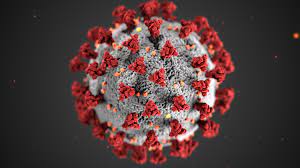
Measles is caused by a highly contagious paramyxovirus that spreads through respiratory droplets. It is so infectious that if one person has it, up to 90% of the people close to them who are not immune will also become infected.
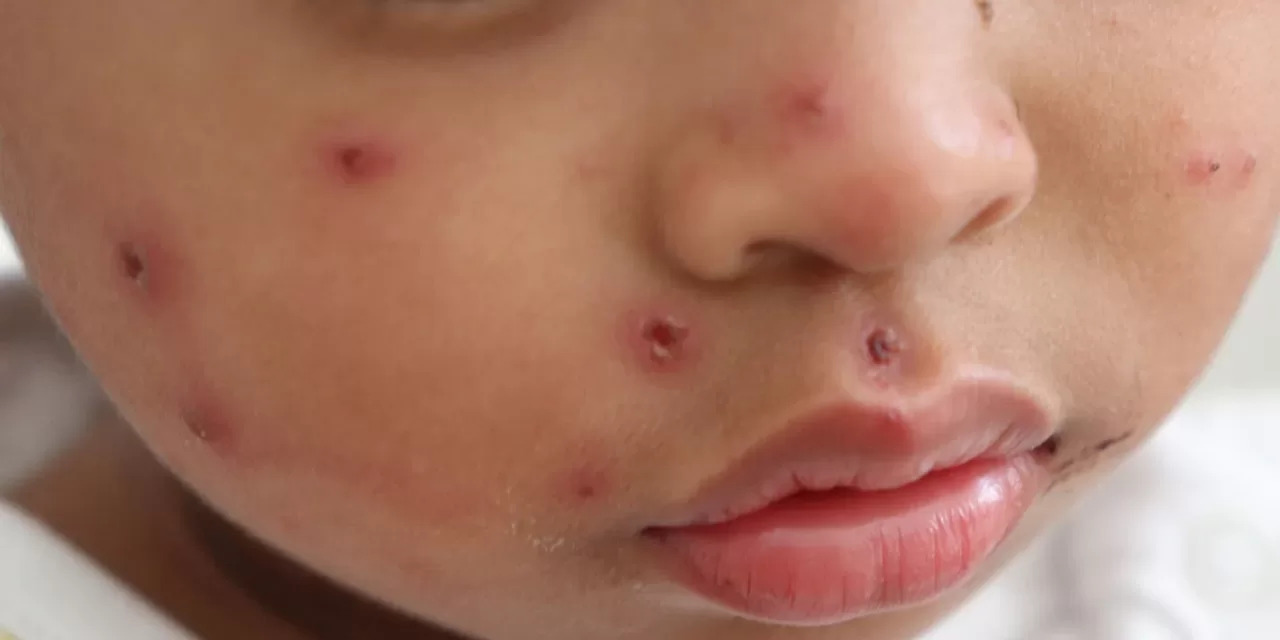
While often dismissed as a “childhood rash,” measles can be devastating. Beyond the signature high fever and cough, it can lead to:
-
Pneumonia: The most common cause of measles-related death in children.
-
Encephalitis: Swelling of the brain that can lead to permanent disability.
-
Immune Amnesia: A unique phenomenon where the virus “wipes out” the body’s memory of other diseases, leaving the patient vulnerable to other infections for months or years.
The Government Strategy: Mass Vaccination and Surveillance
President Claudia Sheinbaum has emphasized that the country currently holds a stockpile of 28 million vaccine doses, asserting that the challenge lies in distribution rather than supply.
The government’s response includes:
-
Targeted Drives: Ramping up MMR administration in high-risk zones.
-
Vitamin A Supplementation: Administered to infected children to reduce the risk of severe complications and blindness.
-
School Screenings: Active monitoring of students for fever or rashes to prevent school-based clusters.
Despite these efforts, independent experts from Think Global Health warn that healthcare budget cuts in recent years have disproportionately affected rural and indigenous communities, where the virus continues to circulate most aggressively.
A Global Perspective
Mexico’s struggle is a microcosm of a global trend. In 2023, an estimated 22 million children worldwide missed their first dose of the measles vaccine. As international travel returns to pre-pandemic levels, the risk of “importation” remains high.
“We are at a crossroads,” says Dr. Macarena Montoya Olvera, Mexico State Health Secretary. While she notes that many current cases are mild, she stresses that “ongoing vigilance is the only way to prevent further loss of life.”
What You Need to Know: A Practical Guide
For the general public, the most effective tool remains the vaccine record. Health officials recommend the following steps:
-
Verify Status: Ensure you and your children have received two doses of the MMR vaccine. If records are missing, a simple blood test can check for immunity.
-
Timing is Key: The first dose is typically given at 12–15 months, with a second at 4–6 years.
-
Travel Precautions: If traveling to affected states like Jalisco or Chihuahua, ensure vaccination at least 10 days before departure.
-
Symptom Awareness: If you develop a high fever, cough, and a red-spotted rash, self-isolate immediately and contact a healthcare provider via phone before visiting a clinic to avoid infecting others in the waiting room.
The coming months are critical. PAHO is scheduled for a formal review of Mexico’s elimination status in April 2026. Whether the country can reclaim its measles-free standing will depend on its ability to reach those remaining unvaccinated pockets and restore public faith in a decades-old lifesaver.
Medical Disclaimer
This article is for informational purposes only and should not be considered medical advice. Always consult with qualified healthcare professionals before making any health-related decisions or changes to your treatment plan. The information presented here is based on current research and expert opinions, which may evolve as new evidence emerges.
References
https://health.economictimes.indiatimes.com/news/industry/in-mexico-at-least-28-have-died-from-measles-outbreak-that-started-2025/128233270?utm_source=latest_news&utm_medium=homepage