 0
0
 0
0
Health & Policy Correspondent February 12, 2026
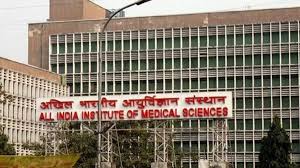
The All India Institute of Medical Sciences (AIIMS) has long stood as the gold standard of Indian healthcare—a sanctuary where the country’s most complex cases meet its most brilliant medical minds. However, new government data reveals a widening crack in this foundation.
Evidence presented to the Rajya Sabha by Minister of State for Health, Shri Prataprao Jadhav, paints a sobering picture of a human-resource crisis. Across 20 operational AIIMS campuses, nearly one in three sanctioned faculty positions and over 17,000 non-faculty roles are currently vacant. For patients, this translates to longer waits; for students, it threatens the quality of their training; and for the existing staff, it is a recipe for burnout.
The Numbers Behind the Crisis
The scale of the vacancy is staggering, particularly as the government continues to expand the AIIMS brand into smaller cities. While the flagship AIIMS New Delhi remains the most staffed, it is not immune, reporting 446 vacant faculty posts out of 1,306—roughly a 34% vacancy rate.
The situation is more dire at newer regional institutes:
-
AIIMS Madurai: Operates with just 70 faculty members against a sanctioned strength of 183.
-
AIIMS Rajkot, Raebareli, and Gorakhpur: Each reports approximately 100 unfilled teaching positions.
-
Non-Faculty Shortages: Beyond the doctors, 17,205 non-faculty roles (nurses, lab technicians, and administrative staff) remain empty. AIIMS Madurai has filled only 40 of its 911 sanctioned support roles.
Why the Seats Remain Empty
Health policy experts and veteran clinicians point to a “perfect storm” of administrative and economic factors.
1. The Lure of the Private Sector
“The disparity in remuneration is the elephant in the room,” notes Prof. Ajai Singh, former Executive Director of AIIMS Bhopal. In testimony regarding the shortage, Singh highlighted that highly specialized consultants often find far more lucrative futures in corporate hospitals, where the pay is higher and the administrative burden is lower.
2. Geographic Reluctance
While AIIMS New Delhi is a prestigious destination, newer institutes in semi-urban or rural areas struggle to attract senior specialists. These professionals often prioritize cities with established educational infrastructure for their families and more robust professional networking opportunities.
3. Rapid Expansion vs. Talent Pool
Over the last decade, the number of AIIMS campuses has grown from one to over 20. “We are building the shells faster than we can cultivate the pearls,” says a senior faculty member at AIIMS New Delhi, who requested anonymity. The pool of experienced medical educators has not grown at the same pace as the bricks-and-mortar expansion.
The Patient Toll: Access, Quality, and Equity
For the millions of Indians who rely on AIIMS for affordable tertiary care—such as oncology, neurosurgery, and organ transplants—these vacancies have real-world consequences.
-
Wait Times: Shortages lead to a bottleneck in outpatient departments (OPD) and elective surgeries. Patients suffering from chronic conditions may wait months for procedures that require a full surgical team.
-
Quality of Care: International research consistently links high patient-to-staff ratios with increased risks of medication errors and provider fatigue. While AIIMS maintains high standards, the pressure on existing staff is immense.
-
Medical Training: AIIMS is the primary training ground for India’s future specialists. Prof. Singh warned that faculty shortages weaken the “practical learning of medical concepts,” potentially creating a ripple effect where the next generation of doctors lacks the intensive mentorship traditionally associated with the AIIMS brand.
Government Intervention: Is it Enough?
The Ministry of Health and Family Welfare maintains that recruitment is a “continuous process.” To bridge the gap, several stop-gap measures have been implemented:
-
Contractual Hiring: Newer AIIMS are authorized to hire retired professors (up to age 70) to maintain teaching standards.
-
Centralized Testing: The Nursing Officer Recruitment Common Eligibility Test (NORCET) and Common Recruitment Examinations (CRE) aim to streamline hiring for support staff across all campuses.
-
Visiting Faculty: Provisions now allow for senior professors from international institutions to serve as visiting faculty.
While these measures “tide over the crisis,” critics argue they do not address the structural need for permanent, well-compensated, and locally-incentivized staff.
Navigating AIIMS as a Patient
If you or a family member are seeking care at an AIIMS facility during this period of high vacancies, experts suggest the following:
-
Utilize the Referral System: Do not head straight to AIIMS for primary or secondary concerns. Use local government hospitals for initial evaluations and diagnostic workups to ensure your AIIMS visit is focused on specialized intervention.
-
Digital Appointments: Use the ORS (Online Registration System) to book appointments in advance. This minimizes physical queuing and ensures you are in the system before traveling long distances.
-
Prepare Documentation: Because consultations may be brief due to high patient volumes, have your medical history, current medications, and specific questions written down to maximize your time with the physician.
The Road Ahead
The “AIIMS for all” vision is a bold step toward health equity in India, but the current data suggests that infrastructure has outpaced human resources. Addressing the shortage will require more than just recruitment drives; it will require a fundamental rethink of how the public sector retains its most valuable assets—its healthcare workers.
Medical Disclaimer: This article is for informational purposes only and should not be considered medical advice. Always consult with qualified healthcare professionals before making any health-related decisions or changes to your treatment plan. The information presented here is based on current research and expert opinions, which may evolve as new evidence emerges.
References
-
Economic Times Health. (2026). 1 in 3 faculty posts vacant across AIIMS; over 17,000 Non-Faculty Posts Also Unfilled. * Ministry of Health and Family Welfare. (2025-26). Written replies on AIIMS faculty vacancies tabled in Rajya Sabha.