 0
0
 0
0
Read Time:5 Minute, 50 Second
NEW DELHI — In a landmark report that could redefine the delivery of healthcare across India, a Parliamentary Standing Committee has presented a comprehensive blueprint aimed at decentralizing specialist care, mitigating extreme overcrowding at tertiary centers, and slashing out-of-pocket medical expenses for millions of families.
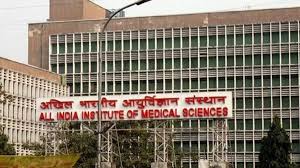
At the center of this reform strategy is the All India Institute of Medical Sciences (AIIMS), New Delhi. The panel urges the central government to transition from treating premier institutes as isolated hubs of excellence to utilizing them as national engines for scalable, digital-first healthcare solutions.
Overhaul of the Referral System and AI Integration
For decades, apex institutions like AIIMS New Delhi have faced severe congestion, with thousands of patients traveling thousands of miles for basic consultations. The committee highlights that this unorganized patient flow strains tertiary facilities while imposing severe indirect financial burdens on rural families.
To address this, the committee recommends a mandatory, technology-enabled referral framework linking primary-level Ayushman Aarogya Mandirs (AAM) and district hospitals directly to apex facilities. Under this system, tertiary institutions will process non-emergency primary and secondary conditions strictly through structured, verifiable electronic referrals.
+---------------------------+        +---------------------------+        +---------------------------+
|  Ayushman Aarogya Mandir  | ---->  |     District Hospital     | ---->  |   AIIMS / Tertiary Care   |
| (Primary Screening & Care)|        | (Secondary / Specialized) |        | (Structured Referral Only)|
+---------------------------+        +---------------------------+        +---------------------------+
Validated AI Platforms Targeted for National Rollout
The panel explicitly calls for the rapid, nationwide scaling of four clinically validated artificial intelligence tools developed or tested in top-tier public research centers:
-
MadhuNetrAI: An AI-driven diagnostic platform engineered for frontline screening and early detection of diabetic retinopathy in resource-limited primary healthcare settings.
-
UPPCHAR: An AI-assisted supportive platform designed to deliver personalized health education, clinical management assistance, and treatment adherence support for advanced oncology patients.
-
AI-Assisted Chest X-Ray Triage: Algorithms capable of triaging high-volume diagnostic imaging within 5 to 10 minutes, allowing rapid identification of urgent pathologies while preserving final validation by certified radiologists.
-
“Never Alone” Framework: A WhatsApp-integrated digital mental health system providing 24/7 triaging, basic psychological support, and facilitated connections to psychiatric experts.
Price Transparency, Standardized Protocols, and Private Sector Oversight
Recognizing that healthcare costs remain a primary driver of household debt in India, the parliamentary report calls for decisive fiscal and regulatory intervention across both public and private sectors. Financial protection, the committee notes, cannot be achieved through insurance coverage alone; it requires aggressive cost containment and the elimination of predatory medical practices.
| Mandated Policy Area | Proposed Action Plan | Expected Impact |
| Tariff Transparency | Mandate public disclosure of baseline tariffs for common procedures, diagnostic panels, and surgical implants. | Prevents sudden price inflation and hidden charges during medical emergencies. |
| Standard Treatment Guidelines (STGs) | Mandatory adherence to national clinical protocols across all empanelled facilities. | Reduces unnecessary hospitalizations, over-investigation, and polypharmacy. |
| Essential Diagnostics & Generics | Enforce Essential Diagnostics Lists (EDLs) and statutory generic drug prescribing. Co-locate Jan Aushadhi and AMRIT pharmacies in hospitals. | Lowers out-of-pocket spending on diagnostic tests and brand-name pharmaceuticals. |
| Public Dashboards | Real-time tracking of key hospital metrics (ICU bed availability, ventilator status, waiting times). | Stops chaotic hospital-hopping by families during acute medical crises. |
“Technology is the great equalizer in modern medicine, but technology without systemic triage only digitizes chaos,” notes Dr. Arishta Sethi, a public health policy analyst not affiliated with the committee. “Linking primary health centers with tertiary hubs via AI triage tools and verifiable referral networks protects tertiary care centers so they can focus on complex cases, while ensuring rural patients receive timely interventions closer to home.”
Pivoting Toward Elder Care and Workforce Redistribution
India’s shifting demographic profile requires an immediate pivot toward specialized care for older adults. The report advocates for integrating dedicated geriatric medicine, palliative care, and physical rehabilitation services directly into primary and secondary care facilities.
To bridge the gap between policy and practice, the committee highlights the persistent shortage and stark urban-rural maldistribution of medical specialists. Recommended solutions include:
-
Structured Career Incentives: Formulating a dedicated cadre structure offering financial bonuses, accelerated promotions, and preferential postgraduate (MD/MS/DNB) seats for specialists serving in remote district hospitals.
-
Workforce Expansion: Rapidly expanding postgraduate clinical training slots within district-level hospitals.
-
National Health Workforce Registry: Establishing a dynamic registry under the Ayushman Bharat Digital Mission (ABDM) to track staffing levels in real time and eliminate chronic vacancy gaps.
Emergency Networks and Increased Public Health Spending
To mitigate preventable mortality during medical emergencies, the committee recommends creating a unified, technology-enabled Emergency Care Network. This system would link basic and advanced life support ambulances to district emergency rooms and tertiary trauma centers via a single national access number and GIS tracking system. Combined with tele-ICU linkages, district physicians will be able to stabilize critically ill patients under remote guidance from AIIMS specialists before transport.
Ultimately, the report underscores that long-term affordability and health equity depend on structural financing. The panel calls on the Union Government to establish a statutory roadmap to progressively increase public health expenditure to 2.5% to 3% of GDP, as envisioned in the National Health Policy.
Study Limitations and Implementation Challenges
While public health experts have broadly welcomed the recommendations, several clinical and logistical challenges remain:
-
Digital Infrastructure Gaps: High-speed internet access and modern digital hardware remain inconsistent across rural primary health centers, which could delay the integration of ABDM modules and real-time dashboards.
-
AI Validation and Oversight: Algorithms like MadhuNetrAI and automated X-ray triage require continuous prospective validation across diverse demographic populations to prevent algorithmic bias or false negatives.
-
State-Level Execution: Because healthcare is constitutionally a state subject in India, uniform adoption of mandatory referral systems and price caps across private facilities will require strong inter-governmental coordination and legislative support.
Practical Takeaways for Patients and Families
For the general public, these proposed reforms signal a future where accessing quality care is simpler and less financially burdensome:
-
Start at the Primary Level: Patients are encouraged to utilize their local Ayushman Aarogya Mandir or district hospital for initial consultations. Under the new framework, these centers serve as the fast-track portal for guaranteed digital referrals to tertiary centers like AIIMS when complex care is needed.
-
Utilize Generic Outlets: Ask attending physicians for generic prescriptions and utilize co-located Jan Aushadhi or AMRIT pharmacies within hospital premises to access low-cost medicines.
-
Leverage Digital Mental Health Screening: Accessible frameworks via standard platforms like WhatsApp will allow individuals to seek early, confidential mental health triaging without the stigma or expense of an immediate in-person clinic visit.
References & Sources
-
Parliamentary Standing Committee on Health and Family Welfare: Report on Systemic Reforms in Medical Education and Tertiary Healthcare Services (Recommendations 3.25.9 – 3.25.22).
Medical Disclaimer: This article is for informational purposes only and should not be considered medical advice. Always consult with qualified healthcare professionals before making any health-related decisions or changes to your treatment plan. The information presented here is based on current research and expert opinions, which may evolve as new evidence emerges.


Happy
0 %

Sad
0 %

Excited
0 %

Sleepy
0 %

Angry
0 %

Surprise
0 %