 0
0
 0
0
KOLKATA, India — In a major bid to reshape the global fight against vector-borne illness, the World Health Organization (WHO) announced an updated, comprehensive review of a groundbreaking biological intervention that uses bacteria-infected mosquitoes to block dengue transmission. On June 11, 2026, the global health authority confirmed it will integrate the full body of scientific evidence published since its initial 2020 assessment, evaluating data from multiple international field trials. The data will feed into the WHO’s newly formed integrated vector control Guideline Development Group (GDG), scheduled to convene in the first quarter of 2027. If approved, official global guidelines and an operational country implementation manual are expected by late 2027, potentially unlocking a self-sustaining tool to protect hundreds of millions of people from debilitating viral diseases.
Dramatic Disease Reduction in Gold-Standard Trials
The driving force behind the WHO’s accelerated timeline is a wave of highly successful clinical data. The gold standard of this evidence stems from a landmark randomized controlled trial conducted in Yogyakarta, Indonesia.
Published in The New England Journal of Medicine, the three-year study monitored 8,144 participants aged 3 to 45 across 45 urban villages. The findings were staggering:
-
77% reduction in virologically confirmed dengue fever cases.
-
86% reduction in dengue-related hospitalizations among communities where the bacteria-carrying mosquitoes were released.
The real-world durability of this strategy has proven equally formidable. In Niterói, Brazil, public health data revealed that notified dengue cases plummeted by 89% compared to pre-intervention levels. Crucially, this protection remained steadfast through five years of monitoring, successfully shielding the population even during a severe regional epidemic surge in 2024. Modeling estimates suggest the intervention prevented between 5,242 and 11,660 dengue cases in Niterói alone during that single epidemic year.
To date, the nonprofit World Mosquito Program (WMP) has deployed these modified mosquitoes across 15 countries. As of May 2026, the initiative protects more than 16.1 million people and has averted an estimated 1.5 million dengue cases globally.
Understanding the Science: How It Works
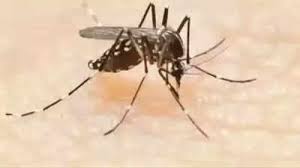
The intervention hinges on Wolbachia pipientis, a naturally occurring intracellular bacterium found in roughly 60% of all insect species, including fruit flies and moths. However, it does not naturally occur in Aedes aegypti—the primary mosquito vector responsible for transmitting dengue, Zika, chikungunya, and yellow fever viruses.
Scientists successfully introduced Wolbachia into Aedes aegypti embryos in a laboratory setting. When present inside the mosquito, the bacteria act as a biological shield. They actively compete with viruses for vital cellular resources like lipids, severely restricting the virus’s ability to replicate within the insect’s tissue. If the virus cannot replicate, the mosquito cannot transmit it to a human during a bite.
[Wolbachia Bacteria]
       │
       ▼ (Competes for cellular resources / lipids)
[Dengue Virus] ──► Cannot Replicate ──► Transmission Blocked
Unlike controversial genetic modification techniques, this “population replacement” method relies entirely on a natural bacterium. Because Wolbachia is passed down maternally from female mosquitoes to their offspring, the trait spreads rapidly through wild populations. Once a critical threshold is reached, the protection becomes self-sustaining, eliminating the need for continuous, costly re-applications. Furthermore, because humans interact with Wolbachia daily through common insects and food, independent safety panels have reported zero health risks to humans or animals.
The Escalating Global Dengue Crisis
The WHO’s review comes at a time of unprecedented urgency for global public health. Dengue incidence has surged 30-fold over the last 50 years. Current estimates indicate that between 100 million and 400 million infections occur annually, with approximately 3.9 billion people currently living at risk—70% of whom reside in Asia.
Public health models project that by 2050, the number of people at risk will climb to 5 billion due to rapid urbanization and climate-driven habitat expansion for mosquitoes. The WHO has established a directive to reduce the global dengue burden by 25% by 2030. Meeting this target using traditional vector controls has proven nearly impossible, as Aedes mosquitoes have developed widespread resistance to chemical insecticides, and environmental mitigation (such as removing standing water) yields limited success in densely populated cities.
Expert Perspectives and Independent Reviews
Independent bodies have increasingly validated the strategy’s epidemiological impact. The WHO Vector Control Advisory Group (VCAG) first reviewed early field data in 2020, concluding that the intervention demonstrated clear efficacy and advising the WHO to begin formal guideline development.
More recently, a rigorous 2024 Cochrane Systematic Review assessed the evidence. Evaluating data from clinical trials, the Cochrane authors concluded with moderate certainty that the deployment of wMel-strain Wolbachia-infected mosquitoes reduced the odds of contracting dengue by 77%. The review noted that the data unequivocally demonstrated the potential for significant disease prevention in endemic urban environments, providing strong supportive backing to numerous non-randomized field studies worldwide.
Public Health Implications and Economic Savings
For healthcare professionals and municipal leaders, Wolbachia offers a highly scalable alternative to chemical spraying, showing its highest efficacy in high-density urban corridors where dengue thrives. For residents of these communities, successful deployment translates to a drastic drop in personal disease risk without requiring any behavioral changes beyond baseline, standard mosquito bite prevention.
The economic arguments for the program are equally compelling. A 2024 cost-effectiveness analysis published in the Journal of Tropical Medicine concluded that Wolbachia-based population replacement is a highly economically viable strategy when targeted to high-burden areas. The World Mosquito Program reports that its global deployments have already saved an estimated US$455 million in direct healthcare costs and lost productivity.
Limitations, Uncertainties, and Counterarguments
Despite the overwhelming enthusiasm, independent scientists emphasize that a balanced public health roll-out requires addressing key ecological and biological uncertainties. A critical September 2025 review published in Pubmed urged caution, noting that field trials have shown variable success across different geographies, and that questions persist regarding long-term efficacy and sustainability.
┌────────────────────────────────────────────────────────────────────────┐
│                      KEY SCIENTIFIC UNCERTAINTIES                       │
├────────────────────────────────────────────────────────────────────────┤
│ • Evolutionary Stability: Will the virus eventually mutate to bypass    │
│   the Wolbachia blocking mechanism?                                     │
│ • Climate Vulnerability: Extreme heatwaves can reduce cytoplasmic      │
│   incompatibility and bacterial transmission in certain strains.        │
│ • Setting Variability: Local environmental, viral, and host genetic     │
│   factors can cause fluctuations in how effectively the bacteria spread.│
└────────────────────────────────────────────────────────────────────────┘
Furthermore, the biological mechanisms driving virus blocking are still only partially understood, and scientists want to ensure that massive releases do not inadvertently disrupt local biodiversity, though current monitoring shows no negative ecological impacts. Authors of the 2025 critical review argued that given these unresolved variables, expanding the program to new territories without rigorous, site-specific safety and efficacy frameworks would be premature.
The Road to 2027: What to Watch
The WHO’s upcoming review will systematically address both population replacement (Wolbachia taking over) and population suppression (using compatible strains to crash mosquito populations), factoring in regional differences to guide national decision-making.
Public health officials and policy makers should track the following regulatory milestones:
-
Q1 2027: The integrated vector control Guideline Development Group (GDG) formally convenes to appraise the global evidence base.
-
Late 2027: Anticipated publication of the official WHO policy recommendations.
-
Post-2027: Release of the comprehensive WHO operational manual to standardize country-level implementation.
Representing more than 14 years of field research since Wolbachia was first successfully established in wild mosquito populations in Cairns, Australia, this upcoming policy evaluation marks a definitive milestone. If integrated into global policy, this biological intervention could fundamentally reshape how nations combat some of the world’s most stubborn and neglected tropical diseases.
Medical Disclaimer: This article is for informational purposes only and should not be considered medical advice. Always consult with qualified healthcare professionals before making any health-related decisions or changes to your treatment plan. The information presented here is based on current research and expert opinions, which may evolve as new evidence emerges.
References
https://www.who.int/news/item/11-06-2026-who-update-on-the-assessment-of-wolbachia-population-replacement-for-the-control-of-aedes-borne-diseases