 0
0
 0
0
GENEVA — The World Health Organization (WHO) has officially declared the end of a rare and highly watched hantavirus outbreak linked to an international cruise ship. The declaration came on July 2, 2026, after the final exposed contact completed a strict quarantine period, tested negative for the virus, and safely returned home.
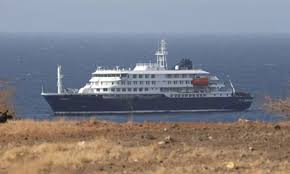
The multi-country outbreak, which began aboard the Dutch-flagged vessel MV Hondius in early May, triggered an intense international public health response. In total, the event resulted in 12 confirmed laboratory cases, one probable case, and three deaths. According to WHO Director-General Dr. Tedros Adhanom Ghebreyesus, no new cases have been detected since May 25, 2026, signaling that containment measures successfully halted further transmission.
A Floating Crisis: How the Outbreak Unfolded
The public health emergency first came to light on May 2, 2026, when a cluster of passengers presenting with severe respiratory distress was reported aboard the MV Hondius, an expedition cruise ship carrying 147 passengers and crew members. At the time, the vessel was moored off the coast of Cabo Verde.
By May 4, the situation escalated as the WHO identified seven initial cases, including two laboratory-confirmed hantavirus infections and three early fatalities. Because the ship’s itinerary included travel through remote South Atlantic and Antarctic regions, mapping the timeline and origin of the exposure presented an immediate logistical hurdle.
The aggressive nature of the illness caught the attention of global health networks. Hantaviruses are a family of viruses primarily carried by rodents. When humans contract the virus, it can manifest as Hantavirus Pulmonary Syndrome (HPS) — a severe respiratory disease that can rapidly progress to respiratory failure and cardiovascular collapse.
The Andes Virus Wildcard: Why Health Agencies Reacted Boldly
While most hantaviruses are strictly zoonotic—meaning they only spread from animals to humans—genetic sequencing during this outbreak pointed to the Andes virus strain. This specific variant carried an alarming epidemiological wildcard: the capacity for person-to-person transmission.
According to the Centers for Disease Control and Prevention (CDC), the Andes virus is the only known hantavirus strain capable of spreading directly between humans, typically through sustained close contact.
To contextualize the caution exercised by health authorities, the WHO cited a landmark 2020 study published in the New England Journal of Medicine. That paper documented a community outbreak of the Andes virus in Argentina that resulted in 34 confirmed cases and 11 deaths, driven primarily by person-to-person “superspreading” events.
“The moment the Andes virus is identified in a confined, high-density environment like a cruise ship, global containment protocols must aggressively pivot,” explains Dr. Aris Katzourakis, an evolutionary biologist and viral transmission specialist not involved in the cruise investigation. “Even though human-to-human transmission remains inefficient and uncommon compared to respiratory viruses like influenza, the high mortality rate of HPS means you cannot afford a wait-and-see approach.”
Logistical Triumph: Tracking 650 Contacts Across 33 Countries
Because cruise passengers frequently disembark and board international flights, what began on a single vessel quickly transformed into a sprawling international tracking operation. The WHO coordinated with health authorities in Cabo Verde, the Netherlands, South Africa, Spain, the United Kingdom, and dozens of other nations.
Public health workers successfully traced and monitored more than 650 contacts spread across 33 countries and territories.
Containment protocols deployed on the ship and during isolation periods included:
-
A mandatory 45-day active symptom monitoring window (reflecting the virus’s long incubation period).
-
Strict, enhanced hand hygiene and immediate isolation of anyone showing early febrile symptoms.
-
Environmental remediation without dry sweeping. (Disturbing dry rodent droppings aerosolizes viral particles, making inhalation the primary mode of infection; wet disinfectants are required).
Despite the intensity of the monitoring, the WHO maintained a balanced approach, advising against any broader international travel or trade restrictions based on the localized data.
Lingering Scientific Uncertainties
While the outbreak is logistically “over,” meaning active transmission chains have been broken, epidemiologists emphasize that significant scientific questions remain.
The primary mystery is the definitive source of the exposure. It remains unclear whether the initial passengers interacted with infected rodents during land excursions prior to boarding, or if an undetected rodent vector was present within the ship’s infrastructure during its journey through the South Atlantic.
“Declaring an outbreak over means the surveillance net is empty, which is a massive public health victory,” notes Dr. Katzourakis. “However, true scientific closure takes longer. Ongoing metagenomic sequencing and serology (blood testing) will continue for months to piece together exactly how this spillover occurred.”
What This Means for Travelers and the Public
For the general public and everyday travelers, health authorities emphasize that the risk remains profoundly low. The CDC released an updated statement confirming that the overall risk to international travelers from this event is “extremely low.”
Hantavirus is not a casually transmitted illness. For consumers, the practical safety advice remains grounded in basic environmental awareness:
-
Avoid Rodent Habitats: Stay away from wild rodents and clear active nesting areas in cabins, sheds, or rural dwellings.
-
Clean Safely: Never sweep or vacuum dry rodent droppings, saliva, or urine. Wet the area thoroughly with a bleach solution or household disinfectant before wiping it up.
-
Act Quickly: If you develop a sudden fever, deep muscle aches, or shortness of breath within a few weeks of traveling to wilderness areas or places with known rodent activity, seek medical evaluation immediately. Because there is no specific antiviral cure for HPS, early supportive care in an intensive care setting is the single most effective factor in patient survival.
Medical Disclaimer
This article is for informational purposes only and should not be considered medical advice. Always consult with qualified healthcare professionals before making any health-related decisions or changes to your treatment plan. The information presented here is based on current research and expert opinions, which may evolve as new evidence emerges.
References
-
Reuters. WHO declares hantavirus outbreak linked to cruise ship over. Published 2 July 2026.