 0
0
 0
0
NEW DELHI — In a decision that has reverberated across both the legal community and medical education institutions, the Supreme Court of India rejected the anticipatory bail plea of a senior dental college professor implicated in the tragic suicide of a first-year student. The ruling has catalyzed an urgent national conversation, shifting the focus from an isolated criminal proceeding into a critical public health examination of classroom bullying, educator accountability, and the severe psychological toll of institutional shaming.
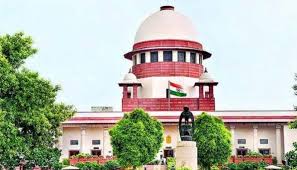
On July 13, 2026, a Supreme Court bench declined pre-arrest bail for Dr. M. Kodanda Ram, the former Head of the Department of Dental Anatomy at Anjarakandy Dental College in Kannur, Kerala. The decision follows the April 10 death of Nithin Raj, a first-year Bachelor of Dental Surgery (BDS) student who died after falling from a campus building. The prosecution alleges that Raj was subjected to persistent intimidation and public insults within the classroom—conduct they argue directly contributed to his death.
The apex court’s observations were remarkably candid. The bench emphasized that educators cannot simply “walk away” from the psychological consequences of their behavior, explicitly questioning the profound, long-term impact that public humiliation inflicts on a student in front of their peers. While the legal process continues and the specific criminal allegations remain subject to judicial determination, public health experts and psychiatrists state that the court’s intervention highlights a systemic, frequently overlooked crisis in professional education.
The Epidemic of Academic Bullying: What the Data Shows
For decades, harsh criticism and public reprimands have occasionally been normalized under the guise of rigorous professional training. However, global epidemiological data reveals a starkly different reality: severe verbal abuse and public shaming function as potent psychological stressors that can drastically erode self-worth and elevate clinical risks.
The scale of this issue is underscored by extensive global data:
-
Global Risk Elevation: A comprehensive meta-analysis published in The Lancet Child & Adolescent Health (Koyanagi et al.), evaluating more than 130,000 youth across 48 countries, revealed that exposure to severe bullying and victimization is associated with an approximate threefold higher risk of suicide attempts.
-
Depression and Ideation Links: A seminal study of 2,342 students published in the Journal of Adolescent Health (Borowsky et al.) established that frequent exposure to interpersonal victimization significantly accelerates the onset of severe depression, persistent suicidal ideation, and acute self-harm behaviors.
-
The Scale of Youth Vulnerability: According to the Centers for Disease Control and Prevention (CDC), suicide remains a leading cause of death among adolescents and young adults globally. The CDC classifies persistent emotional distress, exclusion, and institutional bullying as recognized, modifiable risk factors within comprehensive suicide prevention frameworks.
The Anatomy of Psychological Trauma in High-Pressure Environments
The transition into professional colleges—such as medical, dental, and engineering institutions—coincides with a critical developmental window. Young adults are navigating high-stakes academic workloads while still developing advanced emotional coping mechanisms.
When an individual in a position of absolute authority utilizes public shaming, the psychological fallout can be immediate and severe.
[Public Classroom Humiliation]
       │
       ▼
[Acute Emotional Distress & Social Isolation]
       │
       ▼
[Exacerbation of Pre-existing Vulnerabilities (Anxiety/Trauma)]
       │
       ▼
[Clinical Hopelessness & Help-Seeking Inhibition]
“Repeated public shaming triggers an intense stress response that can rapidly devolve into clinical hopelessness and social withdrawal,” explains Dr. Atul A. Wakhlu, a senior psychiatrist and former academic counselor who has written extensively on student mental health in India.
“In professional colleges, a student’s peer group is their primary support system. When an educator systematically demeans a student in front of that specific group, they dismantle the student’s social safety net. Furthermore, this dynamic heavily discourages help-seeking behavior because the student feels profoundly defined by their perceived shame.”
Clinical research from the National Institute of Mental Health (NIMH) emphasizes that the etiology of suicide is invariably multi-factorial. It is rarely triggered by a single isolated event. Instead, intense situational stressors—such as classroom intimidation—frequently interact with pre-existing underlying vulnerabilities, including undiagnosed anxiety, academic pressure, family expectations, or prior trauma. Clinicians emphasize that while the immediate trigger may appear localized, it must be evaluated within the student’s broader, complex psychosocial ecosystem.
Systemic Intersections: Power Dynamics and Institutional Reform
The case involving Anjarakandy Dental College has drawn further scrutiny due to reports involving allegations of systemic discrimination and the invocation of the Scheduled Castes and Scheduled Tribes (Prevention of Atrocities) Act. This dimension highlights a compounding vulnerability: when academic hierarchy intersects with systemic biases, the potential for abuse of authority increases exponentially.
Prior to the Supreme Court’s decision, the Kerala High Court had also expressed profound concern regarding trends of faculty members demeaning students and leveraging internal assessments as tools of intimidation. The judiciary’s consistent observations point to a crucial institutional vulnerability: the absolute absence of independent, trusted grievance mechanisms.
| Current Institutional Deficiencies | Evidence-Based Public Health Solutions |
| Monolithic Power Structures: Faculty hold singular control over internal grades and career progression. | Decentralized Evaluation: Implementation of blinded, multi-reviewer grading systems for internal assessments. |
| Inaccessible Grievance Portals: Complaints are routed through internal channels, risking faculty retaliation. | Ombudsman Frameworks: Completely autonomous, confidential, third-party reporting bodies outside college administration. |
| Reactive Crisis Management: Mental health intervention occurs only after a severe adverse event. | Universal Screenings & Training: Mandatory, regular mental health screenings and compulsory empathetic pedagogy training for faculty. |
Limitations and Judicial Distinction
From a legal standpoint, public health commentators urge a measured interpretation of the current proceedings. An anticipatory bail rejection is a procedural decision based on the gravity of the allegations and the necessity of police investigation; it does not constitute a final judicial finding of criminal guilt. Dr. M. Kodanda Ram retains the presumption of innocence until the trial concludes and a final verdict is reached.
Medically, experts also caution against oversimplifying suicide as a basic cause-and-effect equation. Assigning singular causality to an educator’s words can inadvertently obscure other critical contributing factors, complicating the diagnostic accuracy required for effective, systemic suicide prevention.
Public Health Implications: Translating Awareness into Action
For families, peers, and educators, the practical takeaways of this unfolding case center on recognizing the early signs of severe academic distress. The National Institute of Mental Health notes that acute psychological decompensation rarely occurs without warning.
Critical behavioral shifts that require immediate professional evaluation include:
-
A student suddenly withdrawing from peer interactions or skipping specific clinical rotations.
-
Expressions of profound shame, worthlessness, or feeling trapped by academic expectations.
-
Marked changes in sleep patterns, appetite, or personal hygiene coinciding with institutional stress.
The Supreme Court’s decisive stance marks a pivot away from the historical normalization of academic hazing and toxic pedagogy. For professional institutions worldwide, the message is clear: student dignity and psychological safety are not optional luxuries. They are fundamental, non-negotiable components of institutional safety and public health.
References
-
Legal Case Materials:
-
Supreme Court of India, Anticipatory Bail Rejection Order, Dr. M. Kodanda Ram v. State of Kerala, July 13, 2026.
-
Medical Disclaimer: This article is for informational purposes only and should not be considered medical advice. Always consult with qualified healthcare professionals before making any health-related decisions or changes to your treatment plan. The information presented here is based on current research and expert opinions, which may evolve as new evidence emerges.