 0
0
 0
0
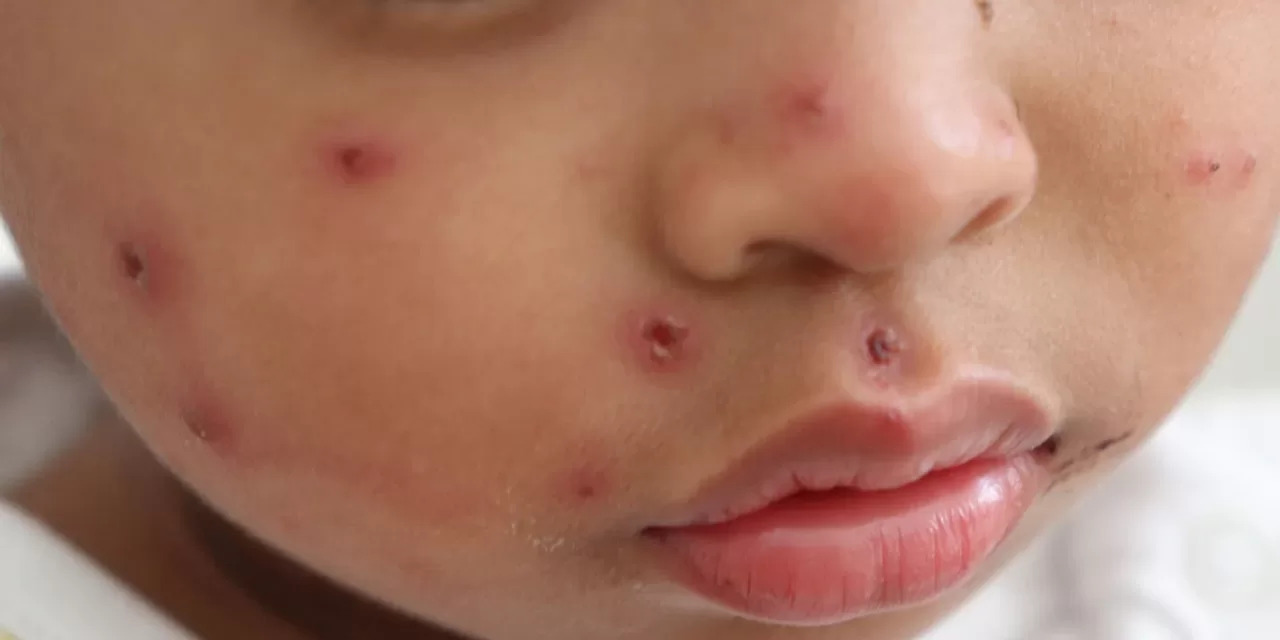
DHAKA, BANGLADESH — A devastating nationwide measles outbreak has claimed the lives of at least 585 people in Bangladesh since mid-March, forcing government health authorities and international relief agencies into a race against time. According to official health data and local reporting compiled in late May 2026, a massive emergency immunization campaign has been radically expanded to stem the tide of what international health experts are calling the country’s worst measles crisis in years. The World Health Organization (WHO) has sounded the alarm, noting that the virus is disproportionately targeting the youngest and most vulnerable: approximately 80% of all reported cases have occurred in children under the age of five, with mortality heavily concentrated among those who never received a vaccine.
The Scale of the Crisis
The true gravity of the situation crystallized following a 24-hour reporting period in late May that saw two more young children succumb to the virus, pushing the aggregate death toll to 585. Public health agencies track these figures via two categories: the current toll includes 495 suspected measles deaths—where clinical symptoms perfectly match the disease—and 90 strictly laboratory-confirmed fatalities.
This dramatic spike stands in stark contrast to Bangladesh’s typical baseline for the disease. By mid-April, the WHO had already documented 18,219 suspected cases and 2,897 laboratory-confirmed cases. However, as the virus breached regional containment over the following weeks, humanitarian updates and international media reported that suspected infections had skyrocketed past 60,000.
What began as localized clusters has evolved into a nationwide public health emergency. Transmission has been officially recorded in 58 out of the country’s 64 districts, meaning that nearly the entire nation is actively grappling with the pathogen.
Anatomy of a Hyper-Contagious Pathogen
Public health officials emphasize that the speed of the current crisis is directly tied to the biological nature of the virus itself. According to the U.S. Centers for Disease Control and Prevention (CDC), measles holds a reputation as one of the most contagious human viruses in existence.
“If one person has measles, up to 9 out of 10 unprotected close contacts will contract the virus,” states the CDC.
The virus is entirely airborne, spreading effortlessly when an infected person coughs or sneezes. Compounding the danger, the virus can hang suspended in the air or linger on surfaces for up to two hours. This means a child can contract measles simply by entering a room that an infected individual left an hour prior.
Measles Transmission Timeline:
[Exposure] ➔ 7-14 Days ➔ [Initial Symptoms: High Fever, Cough, Runny Nose, Red Eyes] ➔ 3-5 Days Later ➔ [Classic Rash Appears]
For young children, the infection is far from a minor childhood rash. The disease aggressively compromises the immune system and frequently leads to severe complications, including:
-
Severe, dehydrating diarrhea
-
Debilitating ear infections
-
Acute pneumonia (the leading cause of measles-related mortality)
-
Encephalitis (a dangerous swelling of the brain that can cause permanent neurological damage or death)
Why Young Children Are Bearing the Burden
The concentration of severe illness among children under five highlights deep immunity gaps within recent birth cohorts. Public health structural disruptions, combined with localized vaccine supply constraints, have left hundreds of thousands of infants and toddlers entirely unprotected.
A formal outbreak notice issued by the WHO indicated that the crisis is the result of a “perfect storm”: declining routine childhood immunization rates, high-density population movements, and interruptions to local vaccination infrastructure. This has created a pool of susceptible children who missed their scheduled doses during infancy.
Epidemiologists note that because measles requires a extraordinarily high community immunity threshold—roughly 95% coverage—to achieve “herd immunity,” even minor drops in routine vaccination rates can open the door to explosive outbreaks.
A Nationwide Emergency Response
In response to the expanding crisis, the Government of Bangladesh, flanked by the WHO, UNICEF, and the International Federation of Red Cross and Red Crescent Societies (IFRC), has mobilized an aggressive, nationwide measles-rubella (MR) immunization blitz.
The strategy focuses on a multi-pronged public health intervention:
-
Targeted Age Brackets: The campaign initially focused strictly on children aged 6 months to 59 months in high-incidence sub-districts. As the virus spread, the geographical boundaries were dissolved to encompass a blanket nationwide push.
-
Timeline Extensions: According to logistics updates from ReliefWeb, authorities have systematically extended the campaign’s duration, allowing healthcare workers to conduct door-to-door tracking to catch children who missed the initial rollout.
-
Clinical Fortification: Alongside vaccination, health ministries are upgrading hospital preparedness, distributing vitamin A supplements (known to drastically reduce measles mortality rates in children), and expanding regional laboratory capacities to speed up testing.
Global health infrastructure widely supports mass immunization campaigns as the single most effective weapon against active outbreaks. The CDC and WHO reiterate that two doses of the measles vaccine are safe, highly effective, and offer lifelong protection, with serious adverse side effects remaining vanishingly rare.
The Expert Consensus: Systems, Not Just Symptoms
Independent public health experts warn that the crisis in Bangladesh serves as a stark warning to the international community.
“Outbreaks of this magnitude are rarely caused by a single point of failure,” explains Dr. Sanjoy Sen, an independent epidemiologist specializing in tropical disease control, who was not involved in compiling the initial WHO data. “They represent a systemic confluence of missed routine immunization schedules, overcrowded urban living conditions, delayed initial containment, and socio-economic barriers to immediate medical care. When a virus this contagious finds a gap in community immunity, it moves like wildfire.”
The WHO has warned that unless these community immunity gaps are closed completely and rapidly, the outbreak risks spilling across international borders, threatening wider regional health security and placing an immense strain on already fragile healthcare delivery systems.
Limitations in the Data
While the severity of the outbreak is undisputed, epidemiologists urge caution when analyzing exact figures during an active health crisis.
Because a vast majority of the 585 recorded deaths are categorized as “suspected” rather than “laboratory-confirmed,” the figures rely heavily on clinical presentations evaluated in field clinics. In fast-moving epidemics, healthcare providers routinely treat patients based on visual symptoms before waiting for slow laboratory confirmation. While this saves lives in real-time, it can complicate precise retrospective data tracking and epidemiological comparisons.
Furthermore, cumulative case numbers—currently estimated above 60,000—should be interpreted as fluid, evolving metrics rather than fixed final counts, as surveillance mechanisms continue to catch up to remote areas.
What This Means for Everyday Health Decisions
For parents and caregivers globally, the situation in Bangladesh provides a clear, actionable lesson: routine childhood vaccinations are not optional health measures—they are lifesaving shield systems. Ensuring that children receive both recommended doses of measles-containing vaccines on time is the single most vital step to preventing severe illness.
For global health systems, the tragedy underscores an enduring truth: routine immunization infrastructure requires constant maintenance and funding. When vaccination coverage drops even slightly, measles returns with remarkable speed, carrying severe consequences for the most vulnerable among us.
Reference Section
-
NDTV News Service: “Bangladesh Measles Outbreak Deaths Reach 585 As 2 More Children Die,” dispatch dated May 31, 2026.
Medical Disclaimer: This article is for informational purposes only and should not be considered medical advice. Always consult with qualified healthcare professionals before making any health-related decisions or changes to your treatment plan. The information presented here is based on current research and expert opinions, which may evolve as new evidence emerges.