 0
0
 0
0
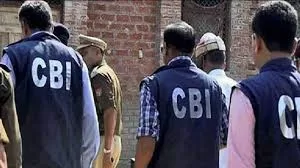
MUMBAI — The Central Bureau of Investigation (CBI) arrested two more individuals on May 27, 2026, blowing wide open a multi-state examination racket tied to the National Eligibility cum Entrance Test (NEET-UG). The arrests—including a practicing doctor from Latur and a physics faculty member from a prominent Pune coaching academy—bring the total number of accused to 13 across seven cities.
While investigators piece together a highly organized criminal conspiracy, a parallel crisis is unfolding in millions of Indian households. The abrupt cancellation of the May 3 exam by the National Testing Agency (NTA) has plunged nearly 2.28 million medical aspirants into severe psychological distress, exposing deep systemic fault lines where high-stakes education intersects with public health and adolescent mental well-being.
Anatomy of a Conspiracy: How the Paper Leak Unfolded
The CBI’s widening net reveals a sophisticated network designed to monetize the anxieties of India’s youth. Investigators have carried out synchronized raids across 49 locations, spanning Delhi, Jaipur, Gurugram, Nasik, Pune, Latur, and Ahliyanagar, seizing specialized electronic devices, financial records, and incriminating documents.
According to investigative briefs:
-
The Latur Connection: Dr. Manoj Shirure, a Latur-based physician, allegedly acted as a primary conduit. He is accused of working directly with the alleged kingpin, chemistry lecturer P.V. Kulkarni, to secure leaked chemistry questions for a select group of students, including the son of a major coaching center owner.
-
The Pune Network: Tejas Harshadkumar Shah, a physics instructor at Dr. Abhang Prabhu Medical Academy (APMA) in Pune, was arrested for allegedly receiving leaked physics curriculum files from Manisha Havaldar, a physics lecturer previously detained by the agency.
“The investigation to unearth the entire chain as well as the deep-rooted conspiracy in this case is ongoing,” a CBI spokesperson confirmed. Middlemen reportedly charged families lakhs of rupees to grant aspirants access to clandestine coaching sessions where the stolen questions were memorized just days before the exam.
The Physiological Crash: Understanding Student Trauma
The administrative fallout of this criminal enterprise is massive. With the original exam invalidated, 22.8 lakh students across 551 domestic cities and 14 overseas centers must now sit for a high-pressure re-examination scheduled for June 21, 2026.
For young adults who have dedicated years of isolated, grueling study to this single day, the cancellation has triggered a profound psychological blow. Mental health professionals explain that the sudden disruption goes far beyond typical exam nerves—it disrupts basic human physiology.
“Students preparing for an examination of this magnitude operate in a physiological ‘fight or flight’ state for months, sustained by elevated levels of cortisol and adrenaline,” explains a clinical mental health specialist. “When an exam is suddenly cancelled, that hormonal scaffolding collapses. The result is a severe physiological and psychological ‘crash’ that leaves the individual highly vulnerable to clinical depression and acute anxiety.”
Dr. Neelam Verma, a consultant clinical psychologist at Narayana Health, emphasizes that the emotional distress stems from an abrupt theft of closure. “The cancellation is deeply traumatizing to students,” Dr. Verma states. “Even those who felt they did poorly are left with no time to regroup or heal. Many had mentally prepared to take a much-needed break or explore alternative career pathways. Now, that recovery window has vanished.”
Devastating Outcomes: A Grim Reminder of High Stakes
Tragically, this pressure has already cost lives. At least three young medical aspirants have allegedly died by suicide in the wake of the cancellation notice, turning an educational scandal into an acute public health emergency.
In the Sikar district of Rajasthan—a major national hub for medical coaching—a young aspirant took his own life while his family members were away from their residence. In Uttar Pradesh’s Lakhimpur Kheri district, a 21-year-old student died by suicide at his home. Grieving family members explicitly linked the tragedy to the sudden cancellation, noting that he had been under immense mental duress since the paper leak reports surfaced. A third suspected student suicide was reported in Goa under similar circumstances.
Dr. Sunil Jindal, a seasoned medical practitioner based in Meerut, Uttar Pradesh, warns that these tragedies reflect a profound sense of institutional betrayal.
“When national examination papers are leaked, the very concept of a fair competition is shattered,” says Dr. Jindal. “Students who have toiled in isolation for years suddenly feel they are participating in a rigged game. This realization replaces hope with absolute despair. The tragic outcomes we are witnessing are a grim, urgent reminder of how systemic corruption directly damages adolescent mental health.”
The structural Fragility of India’s Medical Dream
Public health advocacy groups point out that the mental health crisis is a direct symptom of structural flaws within India’s medical education framework. The People’s Health Organisation-India (PHO), a healthcare advocacy group based in Mumbai, notes that the current architecture of the NEET system invites extreme vulnerability.
| Systemic Metric | Current Reality in India |
| Candidate Volume | 22.8 Lakh (2.28 Million) aspirants competing simultaneously |
| Available MBBS Seats | Total of 1.3 Lakh seats distributed across 824 colleges |
| Private Education Costs | ₹1 Crore to ₹2 Crore, completely unviable for average families |
| Evaluation Window | Single-day, single-shot format determining entire career trajectory |
Because more than half of the available MBBS seats are located within private institutions charging exorbitant fees, the competition for a merit-based, affordable government seat is fiercely Darwinian.
“A system of such national significance cannot be repeatedly vulnerable to conspiracy, uncertainty, and a total loss of public trust,” argues Dr. Ishwar Gilada, Secretary General of the PHO. He notes that staking a student’s entire future on a single afternoon places an unviable, unhealthy amount of pressure on young minds.
Public Health Implications and the Way Forward
The PHO warns that the ramifications of the paper leak extend far beyond individual student grief. “If the absolute integrity of the examination system is brought into question, it will severely damage the long-term quality of healthcare and the global reputation of the entire Indian medical workforce,” the organization stated.
To mitigate this systemic vulnerability and reduce student stress, the PHO has urged policymakers to abandon the single-day testing format. Instead, they recommend adopting operational safeguards modeled after the Joint Entrance Examination (JEE) for engineering, which utilizes:
-
Multiple Testing Sessions: Giving students more than one opportunity per year to perform.
-
Digital Administration: Secure, localized computer-based testing to prevent physical paper logistics failures.
-
Score Normalization: Utilizing statistical tools to ensure equity across different test variations.
“Conducting NEET in multiple sessions throughout the year would immediately lower the psychological stakes and prevent localized criminal disruptions from turning into national public health crises,” the PHO added.
Practical Blueprint: Navigating the June 21 Re-Exam
For the estimated 3.2 lakh candidates who have applied for emergency examination center changes to accommodate the June 21 re-test, medical and psychological experts urge focus on what can be controlled.
The NTA has confirmed several logistical adjustments to ease operational friction:
-
No Extra Fees: No additional financial penalties will be charged for the re-test, and original fees for verified changes are being processed for refunds.
-
Admit Card Release: Fresh hall tickets will be issued digitally by June 14, 2026.
-
Extended Testing Window: The re-exam will run from 2:00 PM to 5:15 PM, granting an extra 15 minutes over the original format to allow students to pace themselves.
From a psychological standpoint, mental health experts emphasize that honest students must reframe how they view the situation. “The cancellation of NEET-UG 2026 is an institutional failure, absolutely not a personal failure,” emphasizes mental health expert Dr. Samir Patil. He urges students to practice basic grounding techniques: maintain routine sleep patterns, engage in light physical exercise to burn off excess cortisol, and vocalize anxieties to trusted family members rather than internalizing them.
As the CBI tracks the remaining middlemen and financial trails of this multi-state racket, the conversation must shift. Safeguarding India’s future healthcare workers requires more than just arresting criminals—it demands building an empathetic, secure testing infrastructure that values student life as much as academic merit.
Medical Disclaimer
Medical Disclaimer: This article is for informational purposes only and should not be considered medical advice. Always consult with qualified healthcare professionals before making any health-related decisions or changes to your treatment plan. The information presented here is based on current research and expert opinions, which may evolve as new evidence emerges.
References
- https://health.economictimes.indiatimes.com/news/education/cbi-arrests-two-more-in-neet-ug-paper-leak-case/131370033?utm_source=latest_news&utm_medium=homepage