 0
0
 0
0
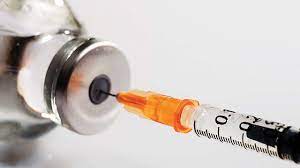
London, June 12, 2026 — British health officials announced Friday a one-off emergency vaccination program targeting thousands of young people against meningococcal B disease (MenB), following the largest outbreak of the illness ever recorded in the United Kingdom. The time-limited initiative aims to protect approximately one million Year 13 students and individuals under 25 who are starting university this autumn. Health authorities are racing to distribute the vaccines to high-risk groups before cases typically surge during the cooler autumn months.
The Deadly Kent Outbreak That Sparked Action
The emergency deployment responds directly to an “explosive” outbreak in Kent, southeastern England, that tragically claimed two lives earlier this year. In March, public health officials confirmed 29 total cases—consisting of 20 confirmed and nine probable infections—making it the most extensive and rapidly spreading MenB incident ever observed in Britain.
The fatalities included Juliette Kenny, an 18-year-old secondary school student, and an unidentified 21-year-old student at the University of Kent. The outbreak centered on the university’s Canterbury campus, where 21 epidemiologically linked cases were notified by the UK Health Security Agency (UKHSA) as of early April.
Who Is Eligible for the Emergency Rollout?
The time-limited program begins in July 2026 and strictly targets three specific groups identified as facing the highest immediate risk of transmission and severe illness:
-
Year 13 students in England and Wales (born between September 1, 2007, and August 31, 2008), including those who do not plan to attend university.
-
Undergraduate freshers under the age of 25 who are entering university for the first time in autumn 2026.
-
Anyone under 25 moving into residential further education accommodation or halls of residence for the first time this autumn.
The mandate covers international students arriving as late as September. The program spans England, Scotland, Wales, Northern Ireland, and Crown Dependencies. Crucially, health officials noted that second-year, third-year, and graduate students are not eligible for this state-funded rollout.
The Six-Week Timeline: Two Doses Essential for Protection
Public health experts stress that eligible individuals require two separate doses of the MenB vaccine to secure full protection.
The first dose becomes available in late July 2026, followed by the second dose in August. The second dose must be administered at least 28 days after the first. Furthermore, it takes an additional two weeks for the body to build adequate immunity, meaning the entire biological process requires a minimum of six weeks.
[Late July: First Dose] ──(Min. 28 Days)──> [August: Second Dose] ──(14 Days)──> [Full Immunity Achieved]
In England, the vaccines will be accessible through community pharmacies. Year 13 students will receive an official NHS text or email link to book appointments, while university students can utilize walk-in services at participating pharmacies. First doses can be obtained until December 31, 2026, and second doses must be completed by March 31, 2027.
Why University Students Face a Seven-Fold Risk
Data on invasive meningococcal disease collected over the past five years indicates that after infancy, the highest concentration of cases occurs in 18- to 19-year-olds. First-year university students face a risk approximately seven times higher than young people of a similar age who do not attend university.
This starkly elevated risk stems from lifestyle factors: being close to large numbers of new people in shared, high-density living spaces like university halls significantly accelerates the spread of meningococcal bacteria through respiratory droplets and saliva. This pattern is mirrored globally; U.S. surveillance data from 2015–2017 showed that the incidence of MenB disease was more than five-fold higher among college students compared to their non-college peers.
Vaccine Effectiveness, Safety, and Biological Limits
The primary vaccine utilized, Bexsero, is highly familiar to the British healthcare framework. It has been routinely administered within the UK infant vaccination schedule since 2015. A long-term study of infants demonstrated a 75% reduction in MenB disease among vaccinated groups, successfully preventing an estimated 277 cases over a three-year window, with protection lasting at least five years.
However, experts urge caution regarding the vaccine’s scope. It is engineered to cover most, but not all, strains of MenB commonly causing disease in the UK. Furthermore, it does not protect against other distinct bacterial families of meningitis, nor does it safeguard against unrelated causes of septicaemia (blood poisoning).
Common side effects are typically mild and short-lived. These include low-grade fever, swelling, redness or tenderness at the injection site, nausea, headache, and muscle aches—symptoms that usually resolve within 24 to 48 hours. Over-the-counter paracetamol can be used to manage post-vaccination discomfort. Serious adverse events remain exceedingly rare.
The Cost-Effectiveness Debate: Why Not Vaccinate All Teens?
The emergency nature of this campaign highlights a broader scientific debate regarding adolescent immunization. Professor Adam Finn, a pediatric expert at the Bristol Children’s Vaccine Centre, noted that the “one-off” configuration reflects “ongoing uncertainty about the cost-effectiveness of vaccinating such a large number of young individuals to prevent relatively few cases.”
The Joint Committee on Vaccination and Immunisation (JCVI) previously concluded that while vaccinating all adolescents might appear helpful on the surface, the degree of uncertainty regarding how long protection lasts, alongside the vaccine’s inability to halt the asymptomatic carrying of the bacteria in the throat, prevented a routine recommendation.
In March 2025, the JCVI’s meningococcal subcommittee reviewed new evidence confirming that MenB vaccination did not significantly reduce bacterial carriage in teenagers. This firmly established that the vaccine must be used primarily to provide direct protection to the specific individuals receiving the shot, rather than relying on “herd immunity” to protect the wider community.
Expert Perspectives
Independent scientific commentators have weighed in on the scale of the government’s response. Professor Hannah Christensen, a Professor in Infectious Disease Epidemiology at the University of Bristol, explained the parameters of the vaccine:
“The Bexsero vaccine was designed to protect against meningococcal disease caused by ‘group B’ strains. Evidence suggests Bexsero offers good protection against invasive disease for most group B strains – but not all, so it is still important for people to be aware of the signs and symptoms of disease. The vaccine does not offer protection against transmission of the bacteria between people, so people need to get the vaccine themselves to get the benefit.”
Reflecting on why students have not historically been offered this vaccine routinely, Eliza Gil, a clinical lecturer specializing in infectious diseases at the London School of Hygiene and Tropical Medicine, noted:
“These students will lack immunity to meningitis B. Currently, students are not offered the vaccine because the historical risk has been low and the protection provided is imperfect and not long-lasting. Therefore, it was determined that, on balance, offering routine MenB vaccinations to students would not be beneficial.”
Spotting the Signs: A Medical Emergency
Because the vaccine does not cover 100% of bacterial strains, public health officials emphasize that everyone must remain vigilant. Meningitis B acts with terrifying speed, inducing rapid clinical deterioration within hours.
| Early & Progressive Symptoms | Advanced Critical Signs |
| High fever & shivering | Stiff neck |
| Severe, unremitting headache | Extreme sensitivity to bright light (photophobia) |
| Vomiting or nausea | Confusion, delirium, or seizures |
| Cold hands and feet | Extreme sleepiness or difficulty waking |
The Glass Test: A distinctive rash that does not fade when firmly pressed with the side of a clear drinking glass is a hallmark sign of meningococcal septicaemia. However, this is often a late-stage symptom. Do not wait for a rash to appear before seeking help.
The UKHSA advises calling 999 immediately or going directly to the nearest Accident & Emergency (A&E) department if meningitis or septicaemia is suspected.
Public Health Horizon and Actionable Advice
This one-off intervention buys time for health authorities to evaluate the epidemiological shift. Dr. Ish Mann, UKHSA Regional Director for the South East, confirmed the defensive posture: “As an additional precaution, and in collaboration with the NHS, we are initiating a targeted MenB vaccination program.” Meanwhile, a rigorous, formal review of the emerging data by the JCVI is underway to determine if long-term policy adjustments are required.
What This Means for You
-
If Eligible: Do not delay. Book your appointments through community pharmacies as soon as you receive your NHS link in July. Ensure you schedule both doses to allow the necessary six-week window for full immunity to develop before university life begins. Note that even if you received the routine MenACWY vaccine in school (Year 9 or 10), that formulation does not protect against the MenB strain currently causing concern.
-
If Not Eligible: Individuals outside the age criteria who desire protection—such as older university students or worried parents—can purchase the MenB vaccine privately via high-street pharmacies, private GP practices, and travel clinics.
Medical Disclaimer
Medical Disclaimer: This article is for informational purposes only and should not be considered medical advice. Always consult with qualified healthcare professionals before making any health-related decisions or changes to your treatment plan. The information presented here is based on current research and expert opinions, which may evolve as new evidence emerges.
References
- https://www.reuters.com/business/healthcare-pharmaceuticals/uk-launches-one-off-menb-vaccination-programme-wake-largest-outbreak-2026-06-12/