 0
0
 0
0
A presumptive positive test for the New World screwworm in South Texas has triggered rapid biosecurity responses and sent tremors through the U.S. cattle market. Federal and state authorities are scrambling to verify whether a highly destructive parasite—officially eradicated from the United States more than half a century ago—has breached the nation’s southern border.
On June 3, 2026, samples from two calves on a commercial ranch in La Pryor, Texas, were dispatched to a federal laboratory for definitive testing after initial screening flagged a “presumptive positive” result. While the Texas Animal Health Commission (TAHC) emphasized that no domestic case of the parasite has yet been officially confirmed, the mere possibility of its return has galvanized agricultural agencies, public health experts, and commodity traders alike.
The high-stakes situation unfolds against the backdrop of a relentless, years-long northward migration of the flesh-eating parasite through Central America and Mexico. A single established case in the U.S. could threaten the nation’s multibillion-dollar livestock sector and present a rare but severe health risk to humans.
The Threat of the “Flesh-Eater”
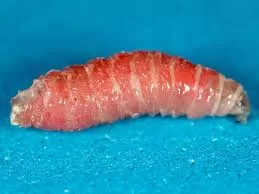
The New World screwworm (Cochliomyia hominivorax) is fundamentally different from ordinary domestic pests. The female blowfly seeks out even the smallest open wounds, tick bites, or newborn navels on warm-blooded animals to deposit her eggs. Within hours, the larvae hatch and begin feeding aggressively on live, healthy muscle and skin tissue.
[Adult Female Fly] ──> Lays eggs in open wounds/body openings
                             │
                             ▼
[Larvae Hatch] ───────> Feed aggressively on LIVING tissue
                             │
                             ▼
[Untreated Wound] ────> Causes tissue necrosis, secondary infection, or death
If left untreated, these infestations—medically termed myiasis—expand rapidly as the burrowing larvae destroy deep tissue layers, often causing secondary bacterial infections, severe pain, and death.
“The screwworm is an absolute devastating biological enemy to livestock,” explains Dr. Thomas Miller, DVM, a veterinary epidemiologist not involved in the current Texas investigation. “Unlike common maggots that restrict their feeding to dead, necrotic tissue, screwworm larvae target living muscle. It is an incredibly painful condition that can kill a full-grown animal in less than two weeks if missed.”
A Multicontinent Surge Pushes North
The United States declared itself free of established New World screwworm populations in 1966 following a massive, decades-long eradication campaign. Aside from a brief, isolated outbreak among wild Key deer in Florida in 2016, the U.S. has successfully defended its borders from the pest for generations.
However, containment barriers further south have buckled. According to data tracked by the Centers for Disease Control and Prevention (CDC), a severe regional outbreak has been steadily expanding northward since 2023. As of May 20, 2026, nations across Central America and Mexico have documented a staggering 171,700 animal infestations.
The agricultural crisis has spilled over into the human population. The CDC reports more than 1,960 confirmed human cases within the current regional outbreak zone. While the CDC maintains that there is no immediate risk of infestation to the general U.S. public, the sheer volume of cases at the doorstep of the U.S. border has made an accidental introduction highly plausible.
Market Jitters and the $100 Million Biosecurity Firewall
The cattle market reacted swiftly to the news out of La Pryor, reflecting deep anxieties over potential trade restrictions and herd health management costs. Live cattle futures experienced immediate volatility following reports of the presumptive positive test.
The market sensitivity stems from the immense financial burden of managing the pest. Before its mid-century eradication, the screwworm cost the U.S. livestock industry hundreds of millions of dollars annually in lost stock and intensive labor costs, as ranchers had to inspect herds daily for minor scratches.
Market Vulnerability: Live cattle futures fluctuated immediately following news of the unverified Texas samples, reflecting industry fears of quarantine zones, movement restrictions, and export disruptions.
In anticipation of this looming threat, the United States Department of Agriculture (USDA) has been quietly building a massive defensive firewall. The agency’s strategic response includes:
-
Financial Incentives: Launching the New World Screwworm Grand Challenge in January 2026, dedicating up to $100 million toward developing novel tech, improving surveillance, and modernizing containment response tools.
-
Border Containment: Initiating strategic releases of sterile male flies along the U.S.-Mexico border and within high-risk pockets of Texas.
-
Production Scaling: Securing a major federal contract to construct a dedicated sterile fly production facility directly within the state of Texas to ensure a continuous supply of biological control agents.
The sterile insect technique works by saturating an area with laboratory-sterilized male flies. When wild females mate with them, they produce no offspring, causing the local population to collapse.
Human Health Risks: Rare but Severe
While livestock bear the brunt of the biological threat, public health agencies are closely monitoring the human implications. Human cases typically occur in individuals who have open wounds, cuts, or surgical incisions and work closely with livestock, reside in rural agricultural zones, or travel through active outbreak regions.
“Human infestations are highly treatable, but they require swift medical intervention,” notes Dr. Elena Rostova, an infectious disease specialist. “There is no pill or simple medication that cures it. Treatment demands the meticulous, manual removal of every single larva by a clinician, alongside extensive wound cleaning and sometimes surgical tissue removal to prevent secondary sepsis.”
According to clinical reviews published in the American Journal of Emergency Medicine, common symptoms of human myiasis include:
-
Exceedingly painful, swollen, or foul-smelling lesions.
-
Unexplained bleeding or discharge from a localized wound.
-
Distinct, visible movement or a crawling sensation beneath the skin or inside a body opening.
Contextualizing the Risk: A Need for Measured Calm
Public health and agricultural experts emphasize that while vigilance is paramount, panic is entirely unwarranted. A presumptive positive test is a preliminary indicator, not a definitive diagnosis. Historically, many early field screenings for invasive pests are ruled out upon advanced molecular sequencing at the USDA’s National Veterinary Services Laboratories.
Furthermore, a single positive case does not equal a widespread outbreak. Even if the La Pryor samples are confirmed, state and federal protocols are designed to immediately quarantine the affected property, restrict local animal movements, and flood the zone with sterile flies to smother any potential local reproduction.
What the Public and Livestock Owners Should Do
The defensive line against the screwworm relies heavily on rapid, early reporting from everyday citizens, travelers, and agricultural workers.
For Livestock Owners and Veterinarians
-
Inspect Animals Regularly: Check cattle, horses, sheep, and companion animals frequently for any signs of skin irritation, open wounds, or unusual clusters of flies.
-
Practice Wound Care: Treat all shear marks, dehorning wounds, and naval strings immediately with appropriate protective salves.
-
Report Immediately: If you discover maggots infesting living tissue on an animal, do not attempt to clear the infection privately. Report it immediately to the TAHC or USDA animal health officials.
For Travelers and the General Public
-
Practice Strict Hygiene: Individuals traveling to or from active outbreak zones in Mexico or Central America should keep all skin wounds clean, covered, and bandaged.
-
Seek Prompt Medical Care: If you experience an unusual, painful skin sore after traveling or working with animals, seek medical evaluation immediately. Do not attempt to forcefully extract larvae yourself, as leaving fragments behind can trigger severe localized infections.
References
News Media Reports
-
Reuters News Service. (June 3, 2026). “Suspected Texas screwworm case raises market concerns.”
Medical Disclaimer: This article is for informational purposes only and should not be considered medical advice. Always consult with qualified healthcare professionals before making any health-related decisions or changes to your treatment plan. The information presented here is based on current research and expert opinions, which may evolve as new evidence emerges.