 0
0
 0
0
TUNIS — In a historic victory for global eye health, the World Health Organization (WHO) has officially validated Tunisia for eliminating trachoma as a public health problem. The announcement, released on May 14, 2026, marks the end of a decades-long battle against the world’s leading infectious cause of blindness in the North African nation.
Once endemic across the country—affecting more than half of the population in some southern regions during the mid-20th century—trachoma has been pushed into the history books through a combination of surgical intervention, antibiotics, and significant infrastructure improvements in water and sanitation.
“I congratulate Tunisia on this historic public health achievement,” said Dr. Tedros Adhanom Ghebreyesus, WHO Director-General. “Tunisia has proven that even the world’s leading infectious cause of blindness can be overcome through long-term political commitment and strong primary health care.”
Understanding the “Silent” Thief of Sight
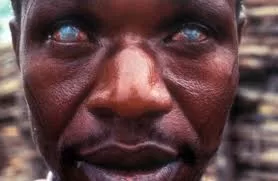
Trachoma is a neglected tropical disease (NTD) caused by the bacterium Chlamydia trachomatis. Unlike the strain associated with reproductive health, this variant targets the eyes. It is highly contagious, spreading through contact with eye and nose discharge from infected individuals, contaminated towels or clothing, and eye-seeking flies.
The disease operates in a cruel cycle. Repeated infections during childhood lead to chronic inflammation. Over years or decades, this inflammation causes the inside of the eyelid to scar so severely that the eyelashes turn inward—a painful condition known as trachomatous trichiasis. With every blink, the lashes scrape the cornea, leading to excruciating pain, irreversible scarring, and eventual blindness.
The SAFE Strategy: A Blueprint for Success
Tunisia’s success is attributed to its rigorous implementation of the WHO-recommended SAFE strategy. This four-pronged approach addresses both the immediate medical needs of the population and the environmental factors that allow the bacteria to thrive:
-
S – Surgery: To treat the advanced stage of the disease (trichiasis) and prevent immediate blindness.
-
A – Antibiotics: To clear the reservoir of infection within communities.
-
F – Facial Cleanliness: Educational programs encouraging regular face washing to reduce transmission.
-
E – Environmental Improvement: Expanding access to clean water and improved sanitation to eliminate the breeding grounds of flies and bacteria.
“This milestone is the result of decades of coordinated national efforts,” said Dr. Mustapha Ferjani, Tunisia’s Minister of Health. He emphasized that the victory belonged to generations of healthcare professionals and local communities who worked to integrate eye care into school health programs and primary clinics.
By the Numbers: The Scale of the Achievement
The criteria for “elimination as a public health problem” are stringent. To receive WHO validation, Tunisia had to prove:
-
Reduced Prevalence: Cases of advanced scarring (trichiasis) must be less than 0.2% in adults over age 15.
-
Controlled Infection: Active infection in children aged 1–9 must be less than 5% in every formerly endemic district.
-
Sustainable Systems: The country must demonstrate it has a system in place to identify and treat any new cases that arise.
Tunisia is now the 31st country globally to reach this milestone and the 14th in the WHO Eastern Mediterranean Region to eliminate at least one neglected tropical disease.
Countries Recently Validated for Trachoma Elimination
| Region | Notable Successes |
| Africa | Ghana, Gambia, Togo, Malawi, Mali, Benin, Mauritania |
| Middle East | Oman, Saudi Arabia, Iraq, Iran, Morocco, Egypt, Tunisia |
| Asia/Pacific | China, Vietnam, India, Pakistan, Cambodia |
Why Environmental Health Matters
Trachoma is often called a “disease of poverty.” It flourishes where water is scarce and sanitation is poor. In Tunisia, the fight against the bacteria was as much about civil engineering as it was about medicine.
By investing in water infrastructure, the government ensured that families had enough water to wash their children’s faces—the simplest and most effective way to break the chain of infection. This environmental shift, combined with nationwide screening campaigns, caused the prevalence of the disease to plummet over the last twenty years.
The Road Ahead: Vigilance After Victory
While the validation is a cause for celebration, the work does not stop. Public health officials warned that “elimination” does not mean “eradication” (the total global extinction of a disease).
Dr. Ahmed Zouiten, Acting WHO Representative in Tunisia, noted that a “robust post-validation surveillance system” is already active. This system ensures that if the disease reappears in small pockets, it can be detected and treated before it spreads. Health professionals continue to receive training in case management to protect future generations from a return of the infection.
What This Means for Global Health
The success in Tunisia provides a roadmap for other nations still struggling with NTDs. It demonstrates that integrated health systems—where eye care is part of a child’s regular check-up rather than a specialized luxury—can eradicate ancient plagues.
For the global community, the goal remains the total elimination of trachoma as a public health problem worldwide by 2030. Tunisia’s journey from 50% endemicity to zero is a powerful testament that this goal is within reach.
References
- https://www.who.int/news/item/14-05-2026-tunisia-validated-by-who-as-having-eliminated-trachoma-as-a-public-health-problem
Medical Disclaimer: This article is for informational purposes only and should not be considered medical advice. Always consult with qualified healthcare professionals before making any health-related decisions or changes to your treatment plan. The information presented here is based on current research and expert opinions, which may evolve as new evidence emerges.