 0
0
 0
0
May 15, 2026
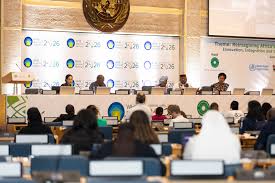
NAIROBI, Kenya — In a landmark move toward achieving universal health coverage, high-level officials, regulators, and medical experts gathered in Nairobi on April 29, 2026, to transition traditional medicine from the fringes of policy into the heart of national healthcare budgets. Backed by the World Health Organization (WHO), the summit signaled a decisive shift in how the African continent intends to govern, fund, and integrate indigenous healing practices into formal primary healthcare systems over the next decade.
A Necessity, Not a Niche
For the majority of the African population, traditional medicine is not an alternative; it is the primary source of care. According to WHO data, between 70% and 80% of people in the African Region rely on herbal and traditional treatments.
This reliance is often driven by necessity. Many communities face significant gaps in access to conventional “Western” essential medicines, compounded by high costs and a lack of nearby clinics. By formally integrating traditional medicine, health leaders aim to bridge these gaps, ensuring that the care people are already seeking is safe, standardized, and scientifically supported.
The “Marking Scheme” for the Next Decade
The Nairobi meeting centered on the WHO Global Traditional Medicine Strategy 2025–2034. This new framework replaces earlier versions with a much sharper focus on “people-centered” care and accountability.
Professor Martins Emeje, Director-General of Nigeria’s Natural Medicine Development Agency, described the strategy as a “marking scheme” that will hold governments accountable for their progress.
“Integration efforts will fail without meaningful inclusion of Indigenous peoples and original tribal communities,” Emeje noted during the session. He emphasized that solutions must be tailored to local languages and cultural realities rather than being imposed as top-down mandates.
Key developments from the summit include:
-
Budgetary Inclusion: A call for governments to move beyond verbal endorsements and create funded national workplans.
-
Regulatory Rigor: Emphasis on the African Medicines Agency (AMA) to oversee the registration of traditional products based on pharmaceutical quality and therapeutic efficacy.
-
Intellectual Property: Proposals to protect the traditional knowledge of local communities from exploitation while encouraging innovation.
The Science of Safety: Evidence Over Acceptance
While the cultural value of traditional medicine is undisputed, public health experts maintain that “widely used” does not mean “universally proven.” The WHO’s African Region guidelines emphasize that for traditional medicine to be included in primary care, it must undergo rigorous pharmacovigilance—the monitoring of drug effects to identify and prevent adverse reactions.
The 2025–2034 strategy encourages “context-relevant evidence generation.” This means using scientific methods to validate which traditional treatments work for specific conditions, such as malaria or hypertension, and which might be ineffective or even dangerous when combined with conventional pharmaceuticals.
A 2025 policy analysis published in PubMed highlighted that while the WHO framework is robust, its success depends on overcoming “uneven regulatory capacity” across different countries. Some nations have sophisticated labs to test herbal purity, while others lack the basic infrastructure to monitor products sold in local markets.
Public Health Implications
The potential benefits of a regulated system are significant:
-
Improved Access: Rural patients may no longer have to choose between a distant hospital and an unregulated local healer.
-
Lower Costs: Validated local remedies can reduce the financial burden of imported synthetic drugs.
-
Cultural Trust: Patients are more likely to adhere to treatment plans that respect their heritage and language.
However, the risks of poor implementation remain a concern for the medical community. Without clear referral pathways—the process by which a traditional practitioner refers a patient to a hospital for surgery or advanced diagnostics—patients may suffer from delayed diagnoses of serious illnesses like cancer or HIV/AIDS.
Navigating the Road Ahead
Critics and observers raise important questions about the “commercialization” of indigenous knowledge. As traditional medicine becomes a regulated industry, there is a risk that the communities who guarded this knowledge for centuries may be sidelined by large pharmaceutical interests.
Furthermore, the transition requires a massive educational undertaking. Conventional doctors must be trained to ask patients about herbal use without judgment, and traditional practitioners must be trained in basic hygiene, record-keeping, and the signs of medical emergencies.
What This Means for You
For the health-conscious consumer, the message from Nairobi is one of informed caution. While the move toward regulation will eventually make traditional products safer, patients should remain proactive:
-
Disclose Everything: Always inform your primary care physician if you are using herbal supplements. Some herbs can decrease the effectiveness of heart medications or cause dangerous thinning of the blood.
-
Seek Quality: Look for products that have been registered or certified by national regulatory bodies.
-
Demand Evidence: Be wary of “miracle cures” that claim to treat a wide array of unrelated chronic diseases without clinical backing.
As Africa moves forward with this ambitious 10-year roadmap, the goal is clear: a unified health system where “traditional” and “modern” are no longer in competition, but are two pillars supporting the same roof of public safety and wellness.
Medical Disclaimer: This article is for informational purposes only and should not be considered medical advice. Always consult with qualified healthcare professionals before making any health-related decisions or changes to your treatment plan. The information presented here is based on current research and expert opinions, which may evolve as new evidence emerges.
References
- https://www.who.int/news/item/14-05-2026-turning-commitments-into-care–africa-accelerates-action-on-traditional-medicine