 0
0
 0
0
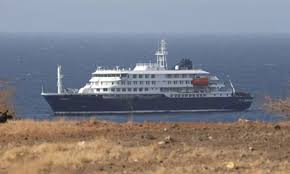
GENEVA – The World Health Organization (WHO) announced on 14 May 2026 that the emergency public health response to a hantavirus outbreak linked to the cruise ship MV Hondius in Tenerife has reached a successful conclusion. Following the organized disembarkation and global monitoring of over 120 passengers from 23 different nations, health officials confirmed that the immediate threat has been neutralized and the risk to the general public in Tenerife and beyond remains low.
WHO Director-General Dr. Tedros Adhanom Ghebreyesus commended the “science and solidarity” displayed by Spanish authorities and local island workers. The operation, which involved a high-stakes “organized corridor” transfer from the port of Granadilla de Abona, is being hailed as a model for international cooperation in containing rare but severe viral threats.
A Coordinated Exit from Crisis
The shipboard crisis first drew international concern on 9 May 2026, when the WHO identified the presence of the Andes strain of hantavirus aboard the vessel. This specific strain is particularly concerning to epidemiologists because, unlike most other hantavirus variants, it possesses the rare capability of person-to-person transmission.
The response concluded this week after the final group of passengers was transitioned from isolation on the ship to specialized transit protocols. According to the WHO statement, these individuals are now either under the care of their home countries’ health systems or have completed necessary observation periods.
“The operation worked because the risk assessment held and the protocols were followed,” the WHO stated, emphasizing that the containment strategy successfully prevented the virus from entering the local community in the Canary Islands.
Understanding the Andes Strain
Hantaviruses are a family of viruses primarily spread by rodents. While most people associate hantavirus with the inhalation of dust contaminated by rodent urine or droppings, the Andes orthohantavirus found in this outbreak is unique.
According to the WHO’s Outbreak Toolbox, the Andes strain can spread through:
-
Respiratory secretions (coughing or sneezing)
-
Saliva and blood
-
Intimate contact or shared body fluids
This potential for human-to-human spread is why the MV Hondius was subject to such rigorous isolation. Three fatalities were linked to the outbreak during its initial stages, underscoring the severity of the infection.
The U.S. Centers for Disease Control and Prevention (CDC) notes that hantavirus pulmonary syndrome (HPS) often begins with “flu-like” symptoms—fever, muscle aches, and fatigue—but can rapidly progress to severe respiratory distress.
Expert Perspectives on Containment
Independent experts suggest that the speed of the Tenerife response was the deciding factor in maintaining a “low risk” status for the public.
“When you identify a virus with known human-to-human transmission pathways early, the priority is targeted monitoring, not panic,” says Dr. Amira Patel, an infectious-disease physician in London. “Rapid isolation and meticulous follow-up of the 120 exposed individuals allowed health officials to break the chain of transmission before it reached the mainland.”
Dr. Javier Morales, a public health epidemiologist based in Madrid, notes that the success of the mission also relied on transparent communication. “The public needs to understand two things simultaneously: the infection is dangerous for those directly exposed, but the broader community faces negligible risk if containment is robust. The data from Tenerife supports that the measures were indeed robust.”
Public Health Implications and Safety
Despite the high-profile nature of the cruise ship isolation, the WHO has maintained since 9 May that the risk to daily life in Tenerife remains low. There is currently no evidence of the virus circulating among the local rodent population or within the island’s community.
For the general public, the CDC and WHO advise that standard hantavirus prevention remains the most effective tool:
-
Seal Up: Close holes in homes or workplaces to prevent rodent entry.
-
Trap Up: Use traps to eliminate existing rodent infestations.
-
Clean Up: Use disinfectant when cleaning areas where rodents have been; avoid stirring up dust by sweeping or vacuuming.
Looking Ahead: Remaining Questions
While the immediate response is complete, some gaps in the epidemiological record remain. A full technical report is expected in the coming months to clarify the “index case”—how the virus first entered the ship. Furthermore, the long-term health outcomes for the surviving passengers will continue to be monitored by their respective national health agencies.
For now, the resolution of the Tenerife incident serves as a testament to the International Health Regulations (IHR) framework, which allows 23 countries to coordinate the tracking of a single exposure event seamlessly.
Reference Section
- https://www.who.int/news/item/14-05-2026-follow-up-message-by-the-who-director-general-to-the-people-of-tenerife-regarding-the-hantavirus-response
Medical Disclaimer: This article is for informational purposes only and should not be considered medical advice. Always consult with qualified healthcare professionals before making any health-related decisions or changes to your treatment plan. The information presented here is based on current research and expert opinions, which may evolve as new evidence emerges.