 0
0
 0
0
Published: May 15, 2026
More than 1.7 billion adults worldwide—approximately one in three people—are now living with hypertension, according to a massive new global analysis of data from 119 countries. The study, led by researchers at Tulane University, reveals a stark “tale of two worlds”: while high-income nations have seen modest improvements in detection and treatment over the last two decades, the burden of high blood pressure has shifted aggressively toward low- and middle-income countries (LMICs). In these developing regions, fewer than 1 in 7 affected adults currently have their blood pressure under control, creating a ticking time bomb for global cardiovascular health.
Mapping the “Silent Killer”
To map these trends from 2000 to 2020, researchers pooled information from 287 population-based studies, covering more than 6 million adults. The study defined hypertension as a systolic blood pressure (the top number) of 140 mmHg or higher, a diastolic reading (the bottom number) of 90 mmHg or higher, or the active use of antihypertensive medication.
By 2020, roughly 33% of the global adult population met this definition, an increase from 31% in 2000. While age-standardized rates in wealthier nations dipped slightly, the sheer number of people affected globally continues to climb. The analysis attributes roughly 90% of this increase to LMICs, where rapid urbanization, increased consumption of processed foods, and aging populations are fueling an epidemic of “the silent killer.”
Regional Disparities: A Widening Gap
The data highlights a growing divide in heart health equity. Latin America, the Caribbean, and sub-Saharan Africa recorded some of the highest prevalence rates, with over 37% to 40% of adults affected in certain demographic groups. Due to their massive populations, East Asia and South Asia now harbor the largest total number of individuals living with the condition.
The most concerning metric, however, is the “control gap.” In high-income countries, the share of adults with uncontrolled hypertension has fallen. Conversely, in LMICs, the proportion of the world’s uncontrolled cases residing in these settings rose from 70% in 2000 to a staggering 83% in 2020.
“Ironically, hypertension is a condition that is easy to measure and relatively straightforward to treat, yet globally we are failing to translate that into better outcomes,” said Dr. Paul Whelton, a cardiologist and hypertension epidemiologist at Tulane University, who co-led the analysis. “The gap is not about medical knowledge; it’s about access, affordability, and integration of hypertension care into primary health systems.”
Why the Numbers Matter
Hypertension earned the nickname “silent killer” because it typically presents no symptoms until significant damage has been done to the heart, brain, or kidneys. According to the World Health Organization (WHO), hypertension contributes to approximately 10 million deaths annually—primarily through heart attacks, strokes, and kidney failure.
When blood pressure remains high, it accelerates the hardening and narrowing of the arteries (atherosclerosis). This increases the risk of:
-
Heart Failure: The heart must work harder to pump against high pressure, eventually weakening the muscle.
-
Stroke: High pressure can cause blood vessels in the brain to burst or become blocked.
-
Kidney Disease: Damage to the small vessels in the kidneys prevents them from filtering waste effectively.
-
Preeclampsia: Life-threatening blood pressure spikes during pregnancy.
Drivers of the Global Rise
Several modern lifestyle factors are pushing these numbers upward. The transition toward sedentary office work, diets high in sodium and ultra-processed “convenience” foods, and rising obesity rates are primary drivers.
In developing nations, the challenge is structural. “In many regions, we see fragmented primary care systems,” explains Dr. David Guzmán, a public health cardiologist at the WHO, who was not involved in the Tulane study. “People are living longer, which is good, but they are exposed to risk factors like salt and tobacco for longer periods without the safety net of regular screening or affordable generic medications.”
What This Means for Your Daily Health
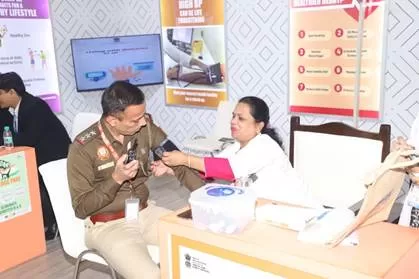
For the average reader, the study’s message is clear: blood pressure management is an individual necessity, not just a public health statistic. Because you cannot “feel” high blood pressure, regular screening is essential.
Medical experts recommend that most adults have their blood pressure checked at least once every two years, while those with existing risk factors should check it more frequently. For many patients—particularly those with diabetes or existing heart disease—clinicians now recommend a target systolic pressure of 130 mmHg rather than the traditional 140 mmHg.
Evidence-Based Steps to Lower Risk:
-
Reduce Salt: Aim for less than 5 grams (about one teaspoon) of salt per day.
-
The DASH Approach: Prioritize fruits, vegetables, whole grains, and lean proteins while limiting saturated fats.
-
Stay Active: Target 150 minutes of moderate-intensity activity (like brisk walking) per week.
-
Weight Management: Even modest weight loss can significantly reduce systolic blood pressure.
-
Limit Alcohol and Tobacco: Both substances are direct contributors to arterial damage.
Limitations and the Path Forward
While the Tulane analysis is one of the most comprehensive to date, researchers acknowledge limitations. Data from certain regions, including parts of Africa and the post-Soviet states, remains sparse or outdated, which may lead to underestimations in those areas.
Furthermore, some experts argue that focusing solely on pills ignores the “upstream” causes. “We cannot medicate our way out of a poor food environment,” says Dr. Guzmán. “Public health strategies that regulate salt in the food supply and create walkable urban spaces are just as vital as providing low-cost medication.”
The WHO’s Global Hearts Initiative is currently working to bridge this gap by promoting standardized care packages in primary clinics. By simplifying treatment regimens and integrating screening into routine visits, health officials hope to turn the tide on what remains the world’s most preventable cause of death.
References
- https://www.ndtv.com/health/more-than-1-7-billion-adults-globally-had-hypertension-in-2020-analysis-11494356
Medical Disclaimer: This article is for informational purposes only and should not be considered medical advice. Always consult with qualified healthcare professionals before making any health-related decisions or changes to your treatment plan. The information presented here is based on current research and expert opinions, which may evolve as new evidence emerges.