 0
0
 0
0
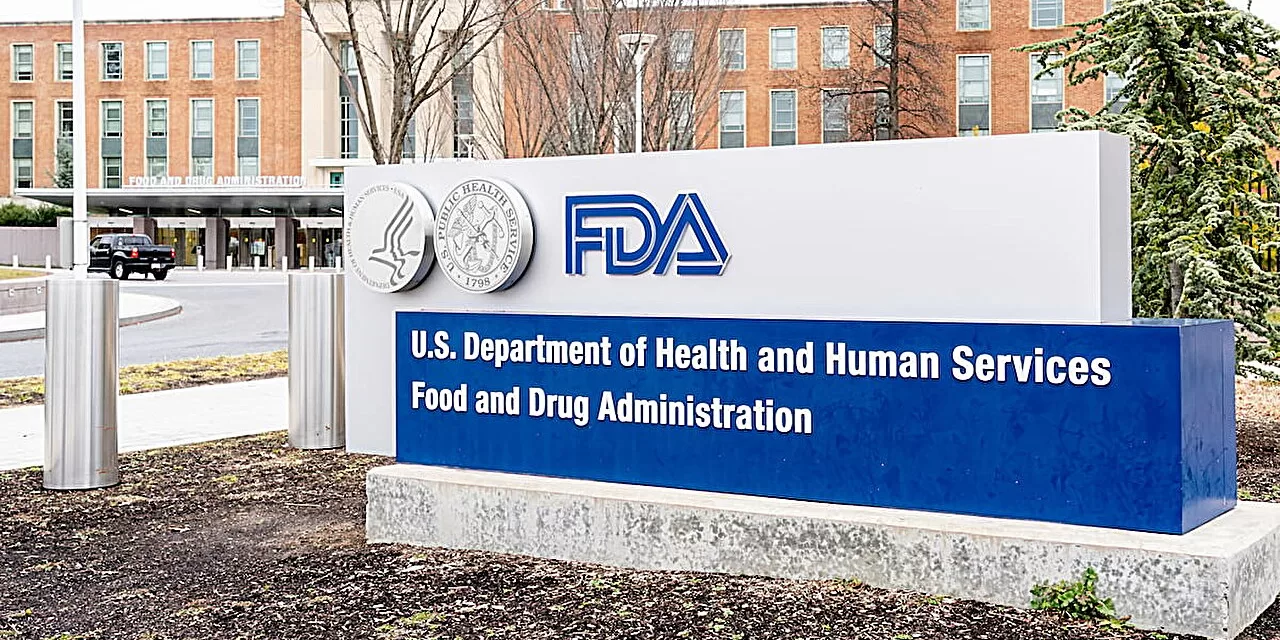
WASHINGTON — In a rapid escalation of leadership instability at the nation’s premier public health regulatory body, the acting head of the U.S. Food and Drug Administration’s (FDA) drug center, Dr. Tracey Beth Høeg, was fired on Friday, May 15, 2026. Her abrupt dismissal comes just days after the high-profile resignation of FDA Commissioner Dr. Marty Makary, marking a profound period of upheaval for an agency tasked with regulating prescription medications, medical devices, and a substantial portion of the American consumer economy.
Dr. Høeg publicly announced her termination via a post on X (formerly Twitter) late Friday evening. Official agency updates quickly followed, indicating that Michael Davis, the current deputy director of the Center for Drug Evaluation and Research (CDER), will step into the role of acting director. The double-departure of the agency’s top commissioner and its chief drug regulator caps a turbulent week that has intensified scrutiny over how the FDA is being managed and whether internal political friction is overshadowing its scientific mission.
A Revolving Door in Core Divisions
The dismissal of Dr. Høeg represents the latest tremor in what external observers describe as an unprecedented organizational shake-up. CDER is widely considered the crown jewel of the FDA, responsible for evaluating new drug applications, monitoring manufacturing compliance, and tracking the safety of thousands of prescription and over-the-counter medicines utilized daily by millions of Americans.
However, the center has suffered from a chronic lack of leadership continuity. Over the past 12 months, the division has seen a revolving door of leadership, with multiple directors cycling through the office.
The instability is not isolated to CDER. Simultaneously, the FDA announced that Karim Mikhail has been appointed as the acting director of the Center for Biologics Evaluation and Research (CBER)—the branch responsible for overseeing vaccines, blood products, and complex gene therapies. Mikhail replaces Dr. Vinay Prasad, who left the post last month after serving a brief, contentious tenure. Additionally, Lowell Zeta has stepped in as the agency’s acting chief of staff.
Background of the Crisis: Policy Clashes and Ideological Fractures
The leadership vacuum intensified on Tuesday, May 12, 2026, when Commissioner Marty Makary resigned his post 13 months into a highly polarized tenure. While the administration publicly thanked Makary for his service, investigative reporting from major outlets revealed that his exit was triggered by a severe policy clash with senior administration officials.
According to reports, the primary breaking point occurred over the authorization of fruit-flavored e-cigarettes. Makary reportedly resisted intense White House pressure to approve the products, citing concerns regarding their addictive potential and marketing appeal to minors. The FDA ultimately bypassed his objections, authorizing the first fruit-flavored vaping products on May 5, 2026, which insiders cite as the final catalyst for his departure.
Furthermore, Dr. Høeg’s brief tenure as the interim head of CDER had already drawn substantial criticism from the mainstream scientific and public health communities. An epidemiologist and sports physician, Høeg became a polarizing figure during the COVID-19 pandemic for publicly questioning the necessity and safety protocols of the mRNA vaccines.
Before her firing, Høeg was actively leading a sweeping initiative to overhaul the U.S. childhood vaccination schedule, successfully spearheading an internal policy to reduce the number of recommended routine childhood shots from 17 down to 11 in January. That policy change has since been frozen by a federal court order pending judicial review.
Public Health Implications and Institutional Trust
For health-conscious consumers and medical professionals alike, the operational stability of the FDA is central to maintaining confidence in the modern medical system. Public health experts warn that a continuous reshuffling of senior leadership risks paralyzing the bureaucratic machinery required to evaluate critical new therapeutics, update drug labels, and conduct post-market safety surveillance.
“Trust is the currency of public health,” says Dr. Lawrence Gostin, a professor of global health law at Georgetown University who is not affiliated with the agency. “When a regulatory body appears to be governed by rapid political firings rather than predictable, evidence-based scientific review, public trust erodes. This can lead to increased vaccine hesitancy, skepticism of newly approved medications, and a generalized breakdown in compliance with medical guidance.”
Beyond public perception, the practical threat of leadership churn is institutional gridlock. The FDA relies on a vast network of career scientists, toxicologists, and clinical trial reviewers. When leadership shifts repeatedly within a year, the strategic priorities of the agency blur, causing potential delays in the pipeline for life-saving therapies and slowing responses to emerging drug safety signals.
Potential Counterarguments and Institutional Safeguards
Despite the alarming headlines of agency turmoil, regulatory veterans emphasize the need for balanced interpretation. They point out that the FDA’s core scientific evaluation processes are designed to withstand executive-level volatility.
“It is critical for patients to understand that this is a crisis of governance, not a crisis of product safety,” notes Dr. Robert Califf, a cardiologist and former FDA commissioner who speaks independently on regulatory matters. “There is absolutely no evidence indicating that currently marketed medications have become unsafe or that the fundamental data-review protocols have been compromised due to these personnel shifts.”
Supporters of the administration’s aggressive approach argue that the shake-ups are necessary to fulfill promises of cutting regulatory red tape and challenging entrenched institutional inertia. Proponents point to Makary’s implementation of more than 50 major operational reforms during his 13 months—such as integrating artificial intelligence into drug reviews and establishing expedited pathways for medications deemed vital to national interests—as proof that disruptive leadership can yield modern efficiencies.
What to Watch Next
As the dust settles from Friday’s firings, public health advocates, pharmaceutical executives, and lawmakers are watching closely to see how the vacancy will be permanently filled. President Donald Trump confirmed that a search for a permanent commissioner is underway, a role that will require formal confirmation by a majority vote in the U.S. Senate.
In the interim, Kyle Diamantas—a lawyer who previously served as the deputy commissioner for foods—has assumed the role of acting FDA commissioner. Diamantas, a former legal representative for major infant nutrition manufacturers, was elevated to senior counselor under Health and Human Services (HHS) Secretary Robert F. Kennedy Jr. earlier this year.
The immediate test for Diamantas and acting CDER chief Michael Davis will be whether they can stabilize internal workforce morale. The FDA has reportedly lost thousands of career employees through a combination of targeted firings and voluntary departures over the last year, leaving the scientific workforce severely strained. Observers will be looking for signs of transparency in upcoming advisory committee meetings to ensure that the gold-standard review processes governing American medicine remain strictly intact.
Reference Section
-
Reuters: “FDA drug center head fired after commissioner’s exit.” Reported by Anusha Shah. Published May 16, 2026.
Medical Disclaimer: This article is for informational purposes only and should not be considered medical advice. Always consult with qualified healthcare professionals before making any health-related decisions or changes to your treatment plan. The information presented here is based on current research and expert opinions, which may evolve as new evidence emerges.